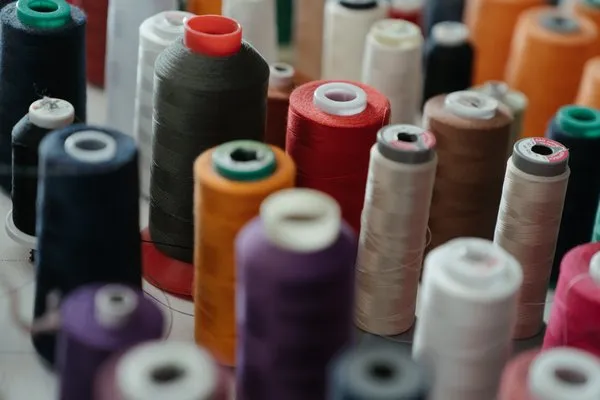

When considering performance clothing people mostly focus on the fabric. They look at features like stretch, water resistance, breathability or durability. There is another part that is equally important. That part is the sewing thread.
The best of the best fabrics might fail if the wrong thread is used. The strength of the garment depends on the strength of the seams that hold it together. This is why choosing the sewing thread is very important for technical textiles and performance apparel.
Whether it is sportswear, outdoor clothing, industrial garments, workwear or safety products thread selection plays a role in product quality.
What Are Technical Textiles?
Technical textiles are fabrics made for a purpose. They are not used for fashion or appearance. These textiles are designed to deliver performance.
Some common examples include:
- Sportswear
- Outdoor jackets
- Safety garments
- Textiles
- Industrial textile
- Protective clothes
- Automotive textiles
Above categories of textiles are subject to harsh conditions like excessive heat, moisture, sunlight, stretching or heavy use. Because of this they need reliable sewing threads.
Why Sewing Thread Matters
A sewing thread joins fabric pieces together. It carries stress during wear. It helps maintain garment shape. It supports the strength of the product.
If the thread breaks the seam fails. When a seam fails the garment may become unusable even if the fabric is still in condition. That is why thread selection should never be ignored.
Polyester Sewing Thread
This thread is widely used for technical textiles and performance garments. It offers a great mix of strength, durability and cost. Polyester threads (trilobal polyester thread) perform well under daily use and repeated washing.
Some key benefits of polyester thread include:
- Strength
- Good abrasion resistance
- Low shrinkage
- Good colour retention
- Suitable for high-speed sewing
Because of these advantages polyester thread is widely used in sportswear, uniforms, activewear and outdoor products. Many manufacturers consider polyester thread as their choice for performance apparel.
Bonded Polyester Thread
Bonded polyester thread is specially treated to improve sewing performance. The bonding process helps reduce thread fraying during sewing. It also improves seam appearance.
This type of thread is often used in products that require strength. Common applications include:
- Bags
- Backpacks
- Garments
- Outdoor equipment
- Heavy duty apparel
The extended durability makes it optimal for demanding environments.
Nylon Sewing Thread
This thread is popular for its strength and flexibility. It can handle loads and repeated stress. This makes it useful for products that experience stretching or pulling during use.
Some advantages of nylon thread are:
- High tensile strength
- Elasticity
- Strong seam performance
- Excellent wear resistance
Nylon thread is popularly used in luggage, footwear, sports equipment and heavy duty textile products. However nylon may not perform well as polyester under long-term sunlight exposure.
High Tenacity Polyester Thread
For applications high tenacity polyester thread is often preferred. The word ” tenacity” simply means higher strength. These threads are designed for products that need durability.
They are used in:
- Textiles
- Outdoor products
- Safety garments
- Performance apparel
- Technical applications
High tenacity polyester threads provide stronger seams and better resistance to wear.
Aramid Thread
Some technical products work in environments. They may face high temperatures or fire risks. In cases aramid threads are often used.
Aramid fibres are known for heat resistance and strength. These threads are commonly found in:
- Fire- clothing
- Protective personnel clothing
- Industrial safety products
- Specialised uniforms
Aramid threads help maintain seam integrity under challenging conditions.
Thread Selection for Sportswear
Sportswear garments move constantly during use. Athletes run, jump, stretch and bend. The thread must support all these movements.
For sportswear manufacturers usually prefer:
- Polyester thread
- High tenacity polyester thread
- Stretch- sewing threads
These options provide durability without affecting comfort. Strong seams help improve garment life and user experience.
Thread Selection for Outdoor Apparel
Outdoor garments often face rain, sunlight, dirt and rough handling. The sewing thread should be able to handle these conditions.
For products commonly used threads include:
- Polyester thread
- Bonded polyester thread
- High tenacity polyester thread
These threads offer good resistance against weather and regular wear. They also help maintain seam strength during long-term use.
Items to Keep in Mind While Choosing Sewing Thread
Selecting a sewing thread is not restricted to strength alone. Several factors should be considered.
Fabric Type: Different fabrics require threads. Lightweight fabrics may need threads. Heavy fabrics often need stronger threads.
End Use: The final use of the product is very important. Sportswear, workwear and industrial products all have requirements. Flame-resistant sewing thread are good for worker exposed to high temperature and heat.
Washing Conditions: Some garments are washed frequently. The thread should maintain its performance after repeated washing cycles.
Exposure Conditions: Sunlight, moisture, heat, etc. can adversely impact thread performance. The thread should be selected according to the environment in which the product will be used.
Benefits of zeroing in on the Ideal Thread
Using the sewing thread offers many advantages. These include:
- Stronger seams
- Better garment life
- Improved appearance
- Reduced seam failures
- Customer satisfaction
- Product reliability
A good thread may look like a small component but it makes a big difference in the final product.
textiles and performance apparel are designed to deliver more than just appearance. They need strength, durability, comfort and lasting performance. Choosing the sewing thread is an important part of achieving these goals.
Polyester, bonded polyester, nylon, tenacity polyester and aramid threads are among the most commonly used options, for technical applications. Each thread offers benefits depending on the product requirements. By selecting the thread for the right end use industry manufacturers can improve seam quality reduce failures and create products that perform better in real-world conditions.