Femi Oluwole: A British Political Activist Championing the Voice of the Younger Generation
The Bold Voice of a British Political Activist Shaping Youth-Driven Change and Modern Political Debate

Table of Contents
ToggleIntroduction
Femi Oluwole, a prominent British political activist, has played a significant role in shaping the political landscape of the United Kingdom, especially during the Brexit debates. As a vocal advocate for youth involvement in politics and a staunch supporter of the European Union (EU), he has made waves in public discourse, calling for a more inclusive political system that represents younger generations. His journey into activism was spurred by the 2016 Brexit referendum, where his deep commitment to the European project and his passion for ensuring the youth’s voice was heard led him to co-found the Our Future Our Choice (OFOC) campaign.
Femi’s work has resonated with many, particularly younger voters, who felt sidelined by the political establishment. His efforts go beyond merely debating Brexit; he has also established himself as a key figure in raising awareness about youth rights, EU policies, and political participation. In this article, we explore his background, career, and legacy, and discuss his lasting impact on British politics.
Quick Bio
| Attribute | Information |
|---|---|
| Full Name | Femi Oluwole |
| Date of Birth | 17 March 1990 |
| Nationality | British |
| Ethnicity | Nigerian descent |
| Profession | Political activist, media commentator, co-founder of OFOC |
| Education | Law & French, University of Nottingham |
| Known For | Co-founding Our Future Our Choice, pro-European Union campaigns |
| Political Views | Pro-EU, advocate for youth political participation |
Early Life and Education: Foundations of a Political Activist
Femi Oluwole was born on 17 March 1990 in Darlington, County Durham, England, to Nigerian parents. Growing up in the UK, he was influenced by his parents’ medical professions—his father, a surgeon, and his mother, a paediatrician. This academic and professional background likely shaped Femi’s analytical mindset and his interest in societal issues. From an early age, he was aware of the challenges faced by immigrant communities and the importance of representation in politics.
Femi attended Yarm School, a private institution, where he excelled academically before going on to study Law and French at the University of Nottingham. During his time at university, he spent a year abroad in France, expanding his worldview and gaining valuable language skills. These experiences laid the foundation for his later work in the political arena, where his strong educational background and linguistic abilities would become assets in his advocacy efforts.
The Catalyst: Brexit and the Birth of OFOC
Femi’s entry into political activism was largely triggered by the Brexit referendum in 2016. Disillusioned with the result and the way in which the political establishment handled the situation, Femi realized that the voice of the younger generation was not adequately represented during the discussions around the UK’s departure from the European Union. In response, he co-founded the youth-led campaign Our Future Our Choice (OFOC) in September 2017, aiming to give a platform to young people who were overwhelmingly pro-EU and to push for a second referendum.
OFOC focused on advocating for a People’s Vote, giving the public a chance to approve the final Brexit deal, a stance Femi and other OFOC members believed was vital for safeguarding the future of young people. His work with the group not only highlighted the importance of EU membership but also placed youth participation in politics at the forefront of British political discourse.
Femi Oluwole’s Impact as a Media Commentator
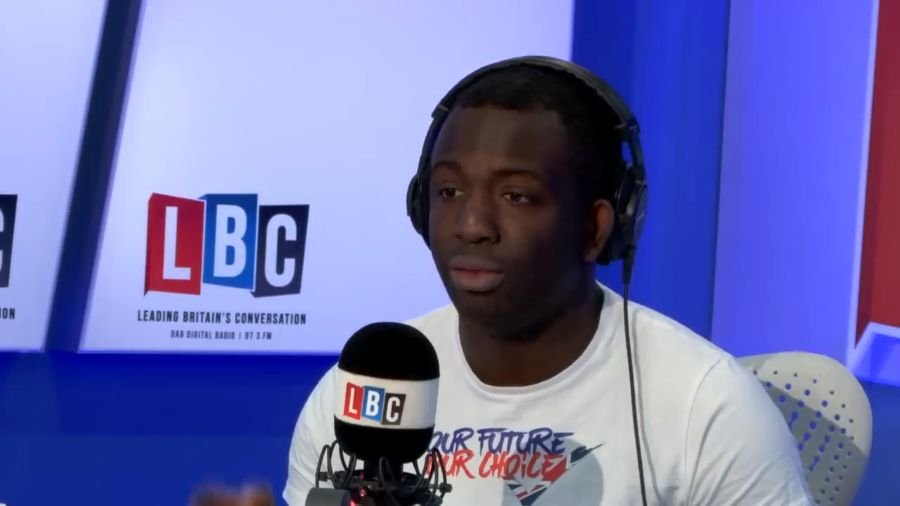
Alongside his grassroots activism, Femi Oluwole became a key media figure throughout the Brexit process. He regularly appeared on British television and radio, offering his expert commentary on the implications of Brexit and the importance of staying in the EU. His articulate and impassioned speeches helped to demystify complex political issues, making them more accessible to the general public, especially young people who might not have been fully engaged with politics before.
In addition to his TV appearances, Femi wrote opinion pieces for leading publications like The Guardian, The Independent, and Metro. His ability to present well-reasoned arguments, often from the perspective of younger generations, won him both admirers and critics. Despite the backlash, his unwavering commitment to pro-EU activism and his stance on the importance of democratic participation never wavered.
Femi’s Role in the Green Party and Broader Political Engagement
In 2025, Femi made a significant political shift by joining the Green Party of England and Wales. While he had spent the majority of his career advocating for the EU and pushing for a second Brexit referendum, his decision to join the Green Party reflects his growing concerns about broader issues such as climate change, economic justice, and youth empowerment. This move marked a significant expansion of his political platform, as he sought to align with a party that prioritized sustainability and social justice, values that resonated with his own ideals.
Public Controversies and Resilience
Femi Oluwole has not been immune to controversy throughout his career. His outspoken views and willingness to challenge the status quo have drawn criticism from pro-Brexit factions, particularly those involved in the Brexit Party. In 2019, he found himself at the center of a legal dispute with Richard Tice, a leading figure in the Brexit Party, after Tice threatened legal action in response to Oluwole’s accusations of antisemitism within the Leave campaign. Femi remained unbowed, standing firm in his beliefs and refusing to apologize for his comments, a decision that showcased his resilience and commitment to his values.
In 2024, Femi was also barred from a Reform UK rally despite having a valid press pass. This incident further underscored the polarized nature of British politics, with Femi’s political stance attracting both support and opposition in equal measure.
Legacy: Championing Youth and European Values
Femi Oluwole’s legacy is one of youth empowerment and pro-European advocacy. His role in shaping the conversation around Brexit and the need for youth involvement in politics has had a lasting impact on political discourse in the UK. Through OFOC, Femi provided a voice for the younger generation, showing that they could have a meaningful influence on national policies, particularly those affecting their futures, such as Brexit and climate change.
As he continues to be active in the political landscape, Femi remains an important figure for anyone interested in youth political activism, Brexit, and the ongoing challenges of global political engagement.
Frequently Asked Questions (FAQs)
Q1: What is Femi Oluwole known for?
Femi Oluwole is known for his activism during the Brexit referendum and his role as the co-founder of Our Future Our Choice (OFOC), a youth-led campaign advocating for a second referendum on Brexit.
Q2: Why did Femi join the Green Party?
In 2025, Femi joined the Green Party of England and Wales to align with a political movement that prioritizes sustainability, social justice, and youth empowerment.
Q3: Has Femi been involved in any controversies?
Yes, Femi has faced criticism and legal threats, particularly from pro-Brexit factions, due to his outspoken views and comments on issues such as antisemitism within the Leave campaign.
Q4: What does Femi Oluwole advocate for?
Femi advocates for youth involvement in politics, pro-European Union policies, climate action, and economic justice.
Conclusion: Femi Oluwole’s Ongoing Influence
Femi Oluwole’s activism has left an indelible mark on British politics, especially in terms of youth political engagement and the fight to protect EU membership. His dedication to the cause and his refusal to back down in the face of adversity have made him a leading voice in the modern political sphere. As he continues his work, his influence will undoubtedly continue to shape the future of politics in the UK.