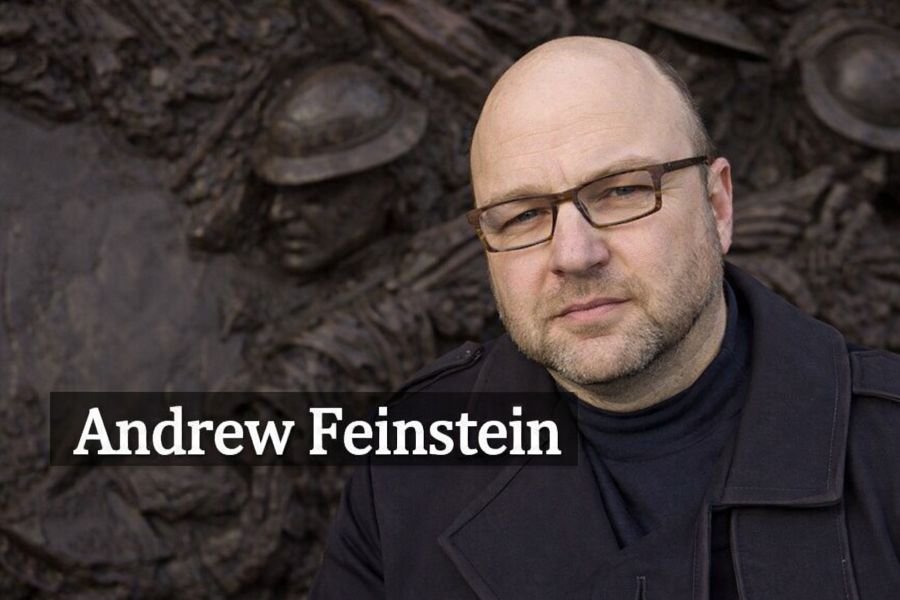
Andrew Feinstein: The Fearless Anti-Corruption Voice — From Powerful Political Insider to Bold Global Campaigner
The remarkable journey of Andrew Feinstein, a professional advisor and former Member of the National Assembly of South Africa who chose integrity over political power.

Table of Contents
ToggleIntroduction
Andrew Feinstein is widely recognized as one of the most principled voices in modern political history. Known as a professional advisor and former Member of the National Assembly of South Africa, Feinstein built a reputation for standing firmly against corruption even when it cost him his political career. His story represents both the positive power of integrity and the difficult consequences of challenging political systems.
Throughout his career, Andrew Feinstein has worked as a politician, investigative author, and global anti-corruption campaigner. His experience inside government gave him a unique understanding of how political systems operate, while his later activism exposed hidden problems within the international arms trade. Today, his work continues to influence discussions on transparency, accountability, and ethical leadership.
Quick Bio
| Field | Information |
|---|---|
| Full Name | Andrew Josef Feinstein |
| Date of Birth | 16 March 1964 |
| Age | 62 (as of 2026) |
| Birthplace | Cape Town, South Africa |
| Nationality | South African |
| Profession | Politician, Professional Advisor, Author, Anti-corruption Campaigner |
| Known For | Former Member of the National Assembly of South Africa |
| Education | University of Cape Town, University of California Berkeley, University of Cambridge |
| Spouse | Simone Sultana |
| Children | Two |
| Current Residence | London, United Kingdom |
Early Life and Background
Andrew Feinstein was born in Cape Town, South Africa, during a period when the country was deeply divided by apartheid policies. Growing up in such an environment meant that politics and social justice were not distant ideas but everyday realities. His family background strongly influenced his understanding of fairness and human rights from a young age.
His mother was a Holocaust survivor whose experiences during World War II shaped the values within the Feinstein household. Listening to stories about injustice and survival deeply affected Andrew Feinstein’s worldview. These experiences encouraged him to believe that silence in the face of injustice is never acceptable, a belief that later shaped his political and professional life.
Education and Academic Development
Education played an important role in shaping Feinstein’s intellectual perspective. He attended Wynberg Boys’ High School in Cape Town before pursuing higher education at the University of Cape Town. There he studied economics and politics, fields that allowed him to explore how governments function and how economic policies affect societies.
Later, Andrew Feinstein expanded his academic experience by studying at the University of California, Berkeley, and later completing a Master’s degree in economics and politics at the University of Cambridge. His time at these universities exposed him to global political thinking and strengthened his interest in governance, economic reform, and public accountability.
Entry into Politics
Andrew Feinstein entered formal politics during a historic moment in South African history. In 1994, South Africa held its first democratic election after the end of apartheid. The election marked the beginning of a new political era for the country.
Feinstein became a Member of the National Assembly of South Africa representing the African National Congress. As a professional advisor and former Member of the National Assembly of South Africa, he worked on financial oversight and governance issues within parliament. His role allowed him to contribute to the development of democratic institutions in a newly transformed country.
Work in the National Assembly
During his time in parliament, Andrew Feinstein was known for his strong commitment to transparency and accountability. He served on committees responsible for overseeing government finances and monitoring public spending. These responsibilities placed him at the center of efforts to strengthen democratic institutions.
Many colleagues recognized Feinstein for his determination to ensure that government actions remained ethical and transparent. While many politicians focused on political power, Feinstein focused on strengthening systems that would protect public trust. This approach earned him respect but also created tension with political leaders who preferred less scrutiny.
Resignation and the Fight Against Corruption
One of the defining moments in Andrew Feinstein’s career came in 2001 when he resigned from parliament. At the time, South Africa was involved in a large arms procurement deal that raised serious concerns about corruption and accountability.
Feinstein pushed for a full investigation into the deal, believing that transparency was essential for a healthy democracy. However, when efforts to investigate the issue were blocked, he chose to resign rather than remain silent. This decision highlighted both the positive strength of his principles and the negative reality of political pressure.
Career After Politics
After leaving South African politics, Andrew Feinstein moved to London where he continued his professional and intellectual work. His experience inside government gave him unique insights into how corruption operates within international systems.
He later became involved in research and advocacy work focused on exposing corruption in global arms trading. As a professional advisor and investigator, he helped analyze how international defense deals often involve complex networks of political influence, financial interests, and lack of oversight.
Writing and Global Influence
Andrew Feinstein also became a respected author whose books explore corruption and global security. His writing draws from his personal experiences inside government as well as years of investigative research.
Through lectures, conferences, and academic discussions, Feinstein has shared his expertise with audiences around the world. Universities, policy organizations, and civil society groups often invite him to speak about governance, transparency, and political ethics. His work continues to inspire discussions about the responsibilities of leaders in democratic societies.
Impact on Global Governance Discussions
The influence of Andrew Feinstein extends far beyond South Africa. His research into corruption within international arms deals has helped journalists, policymakers, and researchers better understand the hidden structures behind global defense contracts.
By combining political experience with investigative work, Feinstein has become an important voice advocating for transparency in international relations. His contributions highlight how individual courage can challenge powerful systems and encourage greater accountability.
Conclusion
Andrew Feinstein’s life story demonstrates the powerful impact that one principled individual can have within complex political systems. As a professional advisor and former Member of the National Assembly of South Africa, he witnessed both the promise of democracy and the dangers of corruption from within government.
Despite the challenges he faced, Feinstein chose integrity over convenience. His decision to expose corruption and continue advocating for transparency has made him a respected figure in global political discussions. His legacy reminds us that ethical leadership remains one of the most important foundations of democratic societies.
FAQ
Who is Andrew Feinstein?
Andrew Feinstein is a South African politician, author, and anti-corruption campaigner who served as a Member of the National Assembly of South Africa after the end of apartheid.
Why did Andrew Feinstein resign from parliament?
He resigned in 2001 after calling for a full investigation into a controversial arms procurement deal that raised concerns about corruption.
What is Andrew Feinstein known for?
He is widely known for his anti-corruption work, his research on the global arms trade, and his role as a professional advisor and former Member of the National Assembly of South Africa.
Where did Andrew Feinstein study?
He studied at the University of Cape Town, the University of California Berkeley, and the University of Cambridge.
What is Andrew Feinstein’s contribution to global governance?
Feinstein has helped raise awareness about corruption in international arms deals and has advocated for transparency and ethical political leadership worldwide.