wesley clark Biography: The Powerful Journey of a Decorated General
A positive story of courage, leadership, and public service, with a negative side of pressure, criticism, and hard wartime decisions.

Introduction
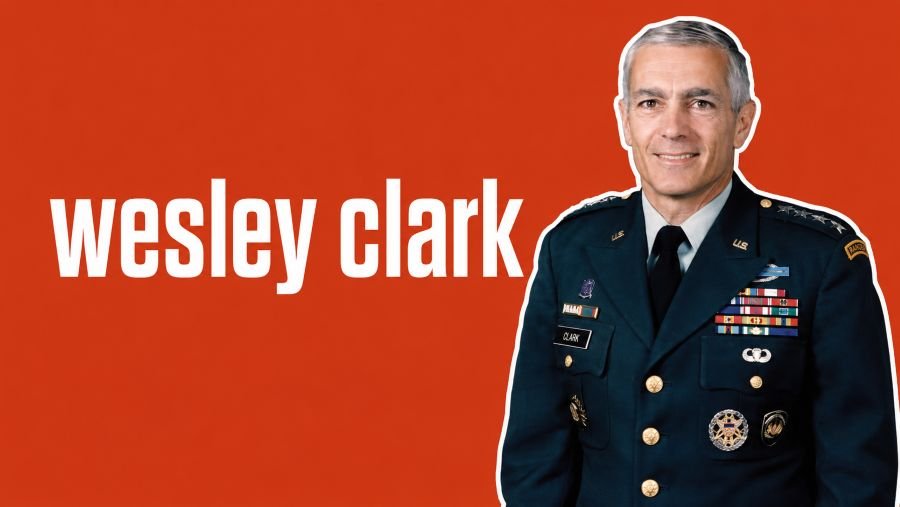
Wesley Clark is an American retired four-star General, former NATO Supreme Allied Commander Europe, author, businessman, educator, and political figure. His life story is connected with discipline, intelligence, combat courage, international leadership, and public debate. He became widely known for his military service in Vietnam, his rise through the United States Army, and his command role during NATO’s Operation Allied Force in Kosovo.
His biography is powerful because it includes both success and struggle. On the positive side, he became one of the most respected military leaders of his generation. On the negative side, his career also involved controversy, pressure from political and military circles, and difficult decisions during war. That balance makes his story important for readers who want to understand leadership in real life.
Quick Bio
| Field | Details |
|---|---|
| Full Name | Wesley Kanne Clark |
| Birth Name | Wesley J. Kanne |
| Date of Birth | December 23, 1944 |
| Age | 81 years old, as of June 2026 |
| Birthplace | Chicago, Illinois, United States |
| Hometown | Little Rock, Arkansas, United States |
| Nationality | American |
| Profession | Retired U.S. Army General, author, businessman, educator, commentator |
| Famous For | Former NATO Supreme Allied Commander Europe |
| Military Rank | Four-star General |
| Education | United States Military Academy at West Point; Oxford University |
| Spouse | Gertrude “Gert” Kingston Clark |
| Children | One son, Wesley Clark Jr. |
| Political Party | Democratic Party |
| Major Awards | Presidential Medal of Freedom, Silver Star, Bronze Star, Purple Heart |
| Books | Waging Modern War, Winning Modern Wars, A Time to Lead, Don’t Wait for the Next War |
Early Life and Family Background
Wesley Clark was born in Chicago, Illinois, on December 23, 1944. His birth name was Wesley J. Kanne. He was the only child of Venetta and Benjamin Kanne. His father was a prosecutor, World War I veteran, and Democratic political figure. His father died when he was very young, and this early loss shaped the beginning of his life.
After his father’s death, his mother moved with him to Little Rock, Arkansas. She later married Victor Clark, who adopted him. His name then became Wesley Kanne Clark. Little Rock became his hometown and an important part of his identity. This early family story shows a life that began with hardship but moved toward discipline, education, and national service.
Education and Student Life
Wesley Clark studied at Little Rock Hall High School, where he became known as a strong student and athlete. He helped form the school swim team, helped lead it to a state championship, and graduated as class valedictorian in 1962. His early academic performance showed the focus and competitiveness that later became part of his military leadership.
He entered the United States Military Academy at West Point at age seventeen. He graduated first in his class in 1966 and received a Rhodes Scholarship to study at Oxford University. At Oxford, he studied philosophy, politics, and economics, earning a strong academic foundation that later supported his work in military strategy and public policy.
Marriage and Personal Life
Wesley Clark met Gertrude “Gert” Kingston while he was a student at West Point. They married on June 24, 1967. Their son, Wesley Clark Jr., was born while he was serving in Vietnam. His family life remained connected to the demands of military service, long assignments, and public responsibilities.
His personal story is not presented as a celebrity lifestyle story. Instead, it is mostly known through his public career, marriage, fatherhood, military service, and later public work. He is remembered more for service, leadership, and ideas than for private glamour or entertainment fame.
Military Service and Vietnam War
Wesley Clark began his military career after West Point and later served in the Vietnam War from May 1969 to February 1970. During Vietnam, he commanded a mechanized infantry company. In February 1970, he was shot four times while on patrol but continued giving orders to his unit. His courage under fire became one of the defining moments of his military life.
For his actions, he received major honors including the Silver Star, Bronze Star, and Purple Heart. These awards reflected bravery, sacrifice, and professional commitment. The positive part of this chapter is his courage; the negative part is the severe injury and danger he faced in combat.
Rise as a U.S. Army General
After Vietnam, Wesley Clark continued his career through command and staff positions. He commanded at battalion, brigade, and division levels and served in important planning roles. His combination of field experience and academic strength helped him rise to senior military leadership.
He later served as Director for Strategic Plans and Policy, also known as J-5. This role placed him close to major defense planning and international security decisions. His career showed that a successful General must not only command soldiers but also understand diplomacy, policy, and global strategy.
NATO Leadership and Operation Allied Force
Wesley Clark became Supreme Allied Commander Europe in 1997. NATO announced his appointment on July 11, 1997, when he replaced General George Joulwan. This role placed him in command of NATO military forces in Europe, one of the most important military positions in the Western alliance.
As Supreme Allied Commander Europe, he led NATO forces during Operation Allied Force, a 78-day air campaign connected with the Kosovo conflict. His NATO command is one of the main reasons his name remains important in modern military history. However, this period also brought criticism and debate because wartime decisions often create strong disagreement.
Career Timeline
| Year | Event |
|---|---|
| 1944 | Born in Chicago, Illinois |
| 1954 | Adopted by Victor Clark and became Wesley Kanne Clark |
| 1962 | Graduated from Little Rock Hall High School |
| 1966 | Graduated first in his class from West Point |
| 1968 | Completed studies at Oxford University |
| 1969–1970 | Served in the Vietnam War |
| 1970 | Wounded in combat and received major decorations |
| 1994–1996 | Served as Director of Strategic Plans and Policy |
| 1997 | Became NATO Supreme Allied Commander Europe |
| 1999 | Led NATO forces during Operation Allied Force |
| 2000 | Retired from the U.S. Army |
| 2000 | Received the Presidential Medal of Freedom |
| 2003–2004 | Ran for the Democratic presidential nomination |
| 2001–2014 | Published books on war, leadership, and strategy |
Awards and Achievements
Wesley Clark received several major awards during and after his military career. His honors include the Presidential Medal of Freedom, Defense Distinguished Service Medal, Silver Star, Bronze Star, Purple Heart, and international honors including honorary knighthoods and the Commander of the Legion of Honor from France.
These awards show the high level of recognition he earned for military service and leadership. His biggest achievements include graduating first from West Point, becoming a Rhodes Scholar, reaching four-star General rank, leading NATO forces, and receiving the Presidential Medal of Freedom.
Political Career
After retiring from the military, Wesley Clark entered public politics. In 2003, he announced his campaign for the 2004 Democratic presidential nomination. He ran as a Democratic candidate and gained attention because of his military background, leadership experience, and national security knowledge.
His campaign had some positive momentum, including a win in the Oklahoma primary. However, he later ended his campaign in February 2004 and supported John Kerry. This part of his life shows both ambition and limitation: he had national appeal, but presidential politics required a different kind of organization and timing.
Books and Public Work
Wesley Clark became active as a writer after his military retirement. His books include Waging Modern War, Winning Modern Wars, A Time to Lead, and Don’t Wait for the Next War. These works focus on war, leadership, national security, American strategy, and global responsibility.
He also became involved in consulting, business, education, and public commentary. ACORE lists him as CEO of Wesley K. Clark & Associates, Chairman and Founder of Enverra, Senior Fellow at UCLA’s Burkle Center for International Relations, and connected with several advisory and board roles.
Public Image and Leadership Style
Wesley Clark’s public image is built around intelligence, discipline, service, and strategic thinking. He is often viewed as a serious military figure who combined battlefield experience with academic depth. His background as a General, Rhodes Scholar, and NATO commander gives him a strong leadership identity.
At the same time, his career was not free from criticism. His NATO period and political career brought disagreement from some observers. This negative side does not erase his achievements, but it makes his biography more realistic. Powerful leaders often face both praise and criticism because their decisions affect many people.
Legacy and Historical Importance
Wesley Clark’s legacy is strongly connected to the United States Army, NATO, and post-Cold War military history. He represents a generation of American officers who served in Vietnam and later shaped international security after the Cold War. His role in Kosovo placed him at the center of one of NATO’s most important operations of the 1990s.
His historical importance also comes from his transition from soldier to public figure. He became an author, consultant, commentator, and presidential candidate. This shows how military leadership can move into public policy and national debate after active service ends.
Conclusion
Wesley Clark is a powerful example of discipline, courage, education, and leadership. His journey from Chicago to Little Rock, from West Point to Oxford, from Vietnam to NATO command, and from military service to public life makes his story inspiring and important. He built a career that reached the highest levels of military leadership.
His life also shows that leadership comes with pressure and criticism. The positive side of his biography is filled with achievement, bravery, and public service. The negative side includes controversy, war decisions, and political challenges. Together, these parts make Wesley Clark a meaningful figure in modern American and military history.
FAQs
Who is Wesley Clark?
He is a retired American four-star General, former NATO commander, author, businessman, educator, and political figure.
When was he born?
He was born on December 23, 1944, in Chicago, Illinois.
What is he famous for?
He is famous for serving as NATO Supreme Allied Commander Europe and leading NATO forces during Operation Allied Force.
Who are his parents?
His parents were Venetta Kanne and Benjamin Kanne, and he was later adopted by Victor Clark.
Is he married?
He is married to Gertrude “Gert” Kingston Clark.
Does he have children?
He has one son, Wesley Clark Jr.
Where did he study?
He studied at West Point and Oxford University as a Rhodes Scholar.
What military awards did he receive?
He received honors including the Silver Star, Bronze Star, Purple Heart, and Presidential Medal of Freedom.
Did he run for president?
He ran for the 2004 Democratic presidential nomination and later supported John Kerry.
What books did he write?
He wrote books including Waging Modern War, Winning Modern Wars, A Time to Lead, and Don’t Wait for the Next War.