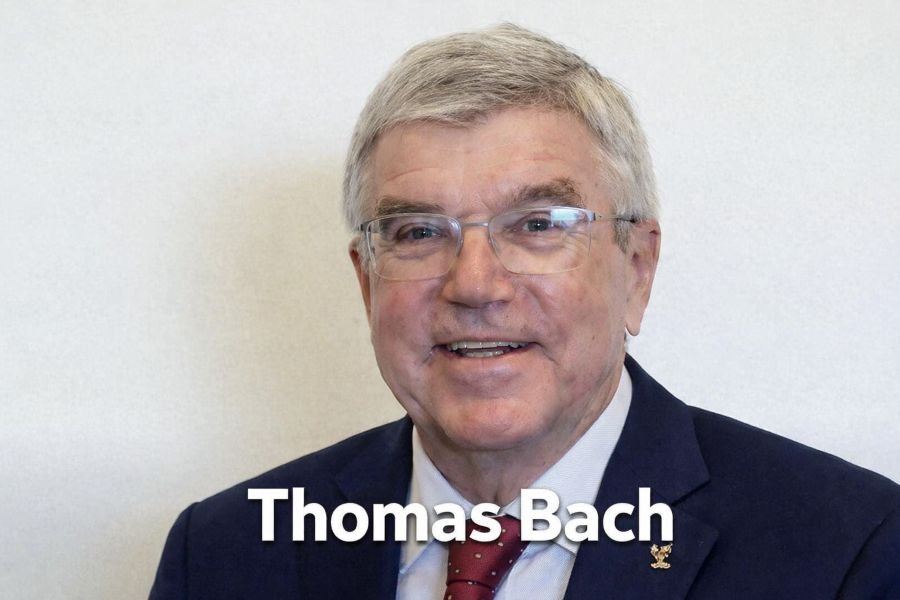
Thomas Bach: Inspiring Olympic Legacy, Remarkable Triumphs and Tough Challenges
The remarkable journey of a German lawyer and former president of the International Olympic Committee

Table of Contents
ToggleIntroduction
Thomas Bach is one of the most recognized figures in modern international sport. Best known as a German lawyer and former president of the International Olympic Committee, he built a rare career that combined athletic excellence, legal knowledge, and global sports leadership. His public story is powerful because it moves from Olympic glory on the fencing strip to one of the highest offices in world sport.
His career also carries both positive and negative dimensions, which makes his biography more compelling. On one side, he is respected as an Olympic champion and a long-serving sports leader. On the other, his years in Olympic administration were marked by pressure, controversy, and the heavy burden of leading a global institution through constant change. That contrast is part of what makes Thomas Bach such an important figure in sports history.
Quick Bio
| Field | Details |
|---|---|
| Full Name | Thomas Bach |
| Date of Birth | 29 December 1953 |
| Age | 72 years old |
| Birth Place | Würzburg, Germany |
| Nationality | German |
| Profession | Lawyer, former Olympic fencer, sports administrator |
| Marital Status | Married |
| Education | Studied law and political science, graduated in 1983 |
| Famous For | Olympic gold medal in fencing and serving as IOC President |
| Major Olympic Achievement | Gold medal, men’s team foil, Montreal 1976 |
| Major Leadership Role | 9th President of the International Olympic Committee |
| IOC Presidency | 10 September 2013 to 23 June 2025 |
Early Life and Background
Thomas Bach was born on 29 December 1953 in Würzburg, Germany. Official Olympic material also notes that he grew up in Tauberbischofsheim, a place with a strong fencing tradition. This environment helped shape his early interest in sport and discipline. His background did not push him only toward public leadership at first. Instead, it gave him the structure that later supported both his legal studies and his sports career.
An interesting part of his early story is that he reportedly first wanted to be a footballer. Yet fencing became the sport that changed his life. That shift matters because it shows how career paths are often formed by opportunity, coaching, and timing. In Bach’s case, fencing gave him an international platform and later opened the door to a long role inside the Olympic movement.
Education and Professional Foundation
Outside sport, Thomas Bach developed a serious academic and professional path. He studied law and political science and completed his degree in 1983. Official Olympic library material states that he graduated magna cum laude, which reflects a strong academic performance. This legal education became an important foundation for his later administrative career.
His identity as a lawyer is not a small detail in his biography. It helped shape the way he approached institutions, negotiation, governance, and policy matters in sport. Many athletes become famous, but far fewer combine sporting success with legal training and top-level organizational leadership. That combination gave Bach a distinct place in the world of Olympic administration.
Olympic Fencing Career
Thomas Bach first became internationally famous as a fencer. His biggest moment came at the 1976 Montreal Olympic Games, where he won a gold medal in men’s team foil for West Germany. That victory placed him among the elite athletes of his era and remains one of the defining achievements of his life.
This Olympic success was more than a medal. It gave Bach lasting credibility inside the Olympic movement because he had lived the athlete experience at the highest level. That background later strengthened his public image as a leader who understood sport from the inside. His competitive achievements made his later rise in sports administration feel natural, even though the path itself required years of strategic work and institutional responsibility.
From Athlete to Sports Administrator
After his competitive fencing years, Thomas Bach gradually moved into governance and athlete representation. According to official Olympic material, he became an IOC member in 1991 and later joined the IOC Executive Board in 1996. He also served as IOC Vice-President for more than ten years, showing that his rise was built over time rather than through a sudden promotion.
His work in sports leadership also expanded strongly in Germany. In 2006, he became the founding President of the German Olympic Sports Confederation (DOSB). He held that role until 16 September 2013, resigning after being elected IOC president. This period was important because it strengthened his reputation as a major sports administrator before he stepped onto the biggest global stage.
Thomas Bach as IOC President
On 10 September 2013, Thomas Bach was elected the 9th President of the International Olympic Committee. This was the defining leadership chapter of his public life. His presidency lasted until 23 June 2025, giving him a full twelve years at the head of one of the world’s most influential sports organizations.
His years as IOC president were significant because they blended achievement with difficulty. He represented stability, reform, and continuity for supporters, yet he also led during a period full of political tension, public scrutiny, and institutional pressure. That mix of success and challenge is essential to understanding his legacy. Leadership at that level always brings admiration and criticism together, and Bach’s presidency was no exception.
Leadership Style and Public Legacy
Thomas Bach’s legacy rests on two major strengths. First, he was an Olympic champion who later led the Olympic movement itself. Second, he brought a lawyer’s mindset to global sports governance. Those two elements created a leadership identity built on discipline, structure, and institutional thinking.
At the same time, his public image has never been one-dimensional. Admirers often point to his long service, reform efforts, and ability to guide the IOC through difficult years. Critics, meanwhile, see his presidency as proof of how demanding and controversial international sports leadership can be. That balance of praise and pressure makes his legacy both strong and complex, which is exactly why his biography remains relevant today.
Conclusion
Thomas Bach stands out as more than a former sports official. He is an Olympic gold medallist, a trained lawyer, and a central figure in modern Olympic history. His journey from Würzburg to the presidency of the IOC reflects ambition, discipline, and long-term commitment to sport.
As a German lawyer and former president of the International Olympic Committee, Thomas Bach represents both the glory and the burden of leadership. His story includes victory, responsibility, recognition, and challenge. That is why his name continues to hold weight in global sport, and why his career remains important for anyone studying Olympic history, sports governance, and international leadership.
FAQ
Who is Thomas Bach?
Thomas Bach is a German lawyer, former Olympic fencer, and sports administrator who served as the 9th President of the International Olympic Committee.
When was Thomas Bach born?
He was born on 29 December 1953 in Würzburg, Germany.
What is Thomas Bach famous for?
He is famous for winning Olympic gold in fencing at the 1976 Montreal Games and later serving as IOC president for twelve years.
What did Thomas Bach study?
He studied law and political science and graduated in 1983.
Was Thomas Bach the president of the IOC?
Yes. He served as IOC president from 10 September 2013 to 23 June 2025.
What sport did Thomas Bach play?
He was an Olympic fencer and won gold in the men’s team foil event.