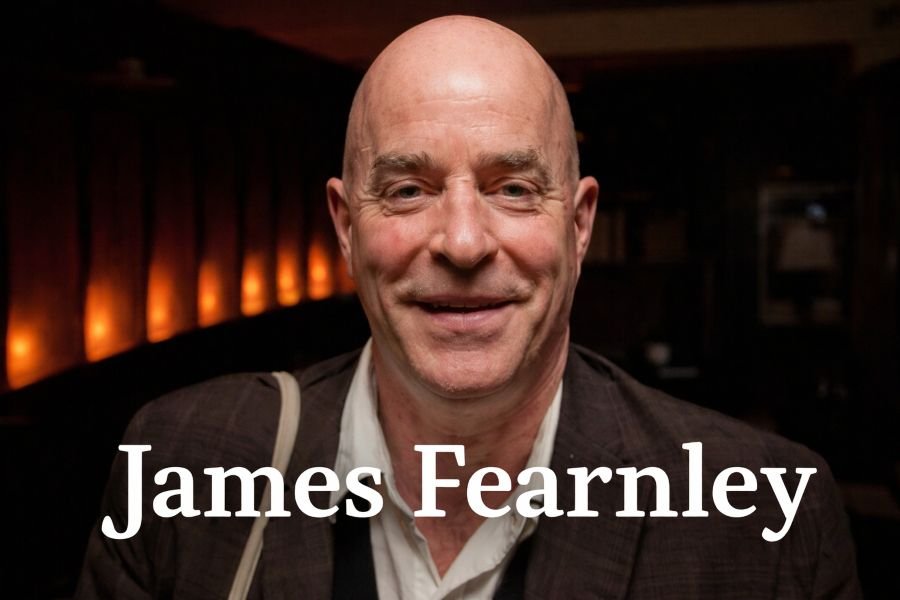
James Fearnley: The Fearless Architect of Celtic Punk and the Soul of an English Musician
A powerful journey of creativity, rebellion, triumph, and artistic reinvention

Table of Contents
ToggleIntroduction
James Fearnley stands as one of the most influential yet often understated figures in modern folk-punk history. As an English musician who helped define the explosive sound of Celtic punk, he transformed the accordion from a traditional folk instrument into a driving force of rebellious rock energy. His story is not only about fame and success, but also about resilience, reinvention, and artistic courage.
From his early beginnings in Lancashire to global recognition with The Pogues, James Fearnley built a career rooted in authenticity and passion. While many musicians chase trends, he helped create one. His musical journey reflects both the positive highs of international acclaim and the challenging realities of life inside a groundbreaking band.
Quick Bio
| Full Name | James Fearnley |
|---|---|
| Date of Birth | 9 October 1954 |
| Age | 71 (as of 2026) |
| Birthplace | Worsley, Lancashire, England |
| Nationality | British |
| Profession | Musician, Accordionist, Guitarist, Composer, Author |
| Known For | Member of The Pogues |
| Nickname | Maestro |
| Spouse | Danielle von Zerneck |
| Children | Martha and Irene |
| Residence | Los Angeles, California |
Early Life and Musical Roots
James Fearnley was born on 9 October 1954 in Worsley, Lancashire, near Manchester. Growing up in Northern England, he experienced a working-class environment that later influenced his grounded personality and artistic approach. Music entered his life early, and it quickly became more than a hobby.
As a child, he sang as a choir treble, which gave him early exposure to structured musical discipline. After his voice changed during adolescence, he shifted his focus to instruments. Although he initially learned piano, he later turned to guitar, where he discovered a stronger personal connection and creative freedom.
Discovering His Musical Identity
Before becoming widely recognized as an accordionist, James Fearnley’s early passion centered on guitar. During the late 1970s, he became involved in the London punk scene, a cultural movement that valued raw energy over polished perfection. This environment shaped his fearless and experimental musical mindset.
He joined The Nipple Erectors, a punk band fronted by Shane MacGowan. The experience immersed him in the growing alternative music movement. However, the instability of the punk scene meant that success was not guaranteed, and like many musicians of that era, he faced uncertainty and professional setbacks.
The Birth of The Pogues and a Defining Moment
In 1982, James Fearnley became a founding member of The Pogues, alongside Shane MacGowan and Jem Finer. This decision changed his life permanently. In a surprising twist, he transitioned from guitar to accordion, an instrument not traditionally associated with punk music.
This bold change became the foundation of The Pogues’ signature sound. As an English musician embracing Irish folk traditions within a punk framework, Fearnley helped craft a revolutionary fusion of genres. The accordion added both emotional depth and explosive rhythm, distinguishing the band from every other punk group of the time.
Musical Success and Cultural Impact
The Pogues quickly gained international recognition with albums such as Red Roses for Me and Rum Sodomy & the Lash. Their music blended storytelling, folk melodies, and punk aggression, appealing to diverse audiences across the United Kingdom, Ireland, and beyond.
One of their most iconic songs, Fairytale of New York, became a cultural staple. Through both triumphs and internal struggles, the band cemented its place in music history. Fearnley’s contribution as an English musician was crucial in shaping the emotional and instrumental identity of the group.
Challenges and Reinvention
Life within a groundbreaking band was not without difficulties. Touring pressures, creative disagreements, and personal challenges marked certain chapters of The Pogues’ journey. Despite the success, the internal environment could be demanding.
In the mid-1990s, James Fearnley stepped away from the band to focus on family life and new artistic directions. Rather than fading from the scene, he embraced reinvention. This decision reflected maturity and long-term vision, proving that career growth sometimes requires stepping back.
Solo Projects and Collaborative Ventures
After leaving The Pogues, Fearnley founded The Low and Sweet Orchestra. The project allowed him to explore songwriting and arrangement in a new context, expanding his creative range beyond his previous role.
He later became involved in other musical collaborations, including Cranky George and The Walker Roaders. These ventures demonstrated his adaptability as an English musician who continues evolving while remaining loyal to his musical roots.
Life Beyond the Stage
In 1989, James Fearnley married actress Danielle von Zerneck and later settled in Los Angeles, California. Together, they have two daughters, Martha and Irene. His relocation marked a new chapter, blending family life with ongoing creative pursuits.
Living in the United States broadened his artistic exposure while preserving his British identity. He continues to represent the unique blend of English perspective and Celtic musical heritage that defined his early success.
Author and Storyteller
In 2012, James Fearnley published his memoir, Here Comes Everybody: The Story of The Pogues. The book offers insight into the rise of the band and the cultural energy of the 1980s music scene.
Through writing, he revealed another dimension of his creative personality. His storytelling ability proves that he is not only a performer but also a thoughtful observer of history and art.
Legacy of an English Musician
James Fearnley’s legacy extends beyond commercial achievements. He helped redefine how traditional instruments could function within modern music. His accordion work shattered stereotypes and inspired countless musicians to experiment without fear.
As an English musician who embraced cross-cultural musical influences, he played a vital role in shaping Celtic punk into a respected genre. His influence remains visible in contemporary folk-punk bands across the world.
Conclusion
James Fearnley’s journey is a powerful example of artistic bravery and adaptability. From choir boy to punk guitarist, from accordion innovator to respected author, his career reflects both extraordinary highs and complex challenges. Success did not come without struggle, yet those struggles strengthened his artistic voice.
Today, he stands as a respected figure in music history. His work with The Pogues and his continued creative exploration prove that true musicianship is not about trends, but about authenticity and fearless expression. The story of James Fearnley remains both inspiring and enduring.
Frequently Asked Questions (FAQ)
Who is James Fearnley?
James Fearnley is an English musician best known as the accordionist and founding member of The Pogues.
What instrument is James Fearnley famous for playing?
He is most famous for playing the accordion, which became central to The Pogues’ Celtic punk sound.
When was James Fearnley born?
He was born on 9 October 1954 in Worsley, Lancashire, England.
Is James Fearnley still active in music?
Yes, he continues to participate in musical projects and anniversary performances.
Did James Fearnley write a book?
Yes, he authored the memoir Here Comes Everybody: The Story of The Pogues.