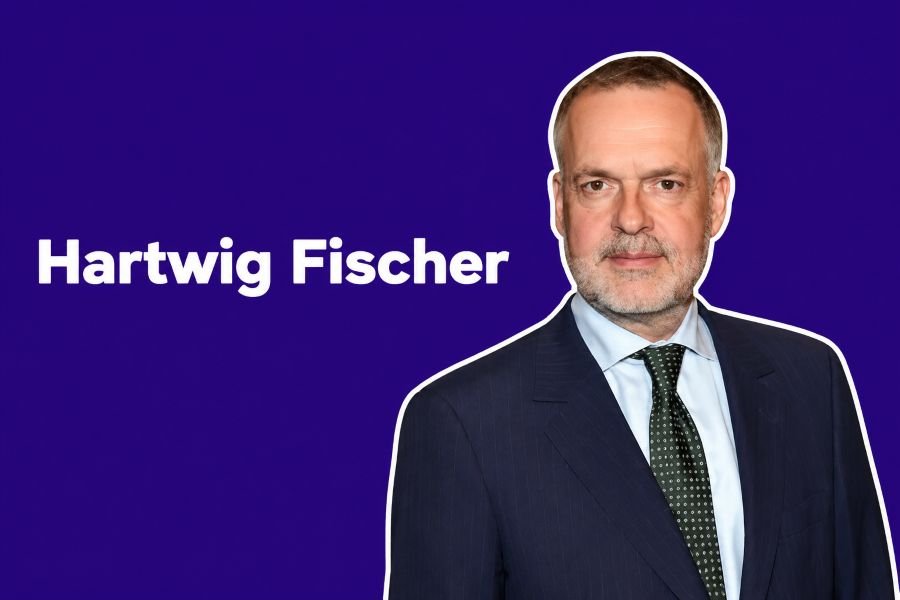
Hartwig Fischer Powerful Journey Through World Museums
German art historian and former director of the British Museum

Introduction
Hartwig Fischer is a respected German art historian and former director of the British Museum, known for his long career in museum leadership, European art history, and international cultural institutions. His professional journey includes major roles in Switzerland, Germany, the United Kingdom, and Saudi Arabia. He has worked with some of the world’s most important museums and has helped shape discussions about art, history, public access, and cultural heritage.
His career also includes both positive and negative chapters. On the positive side, he became the first non-British director of the British Museum in more than 150 years, a historic achievement in the museum world. On the negative side, his leadership at the British Museum ended during a major theft controversy in 2023. Even with that difficult moment, Hartwig Fischer remains an important name in global museum history.
Quick Bio
| Field | Details |
|---|---|
| Full Name | Hartwig Fischer |
| Real Name | Hartwig Fischer |
| Date of Birth | December 14, 1962 |
| Age | 63 years old as of 2026 |
| Birthplace | Hamburg, West Germany |
| Nationality | German |
| Profession | Art historian and museum director |
| Known For | Former director of the British Museum |
| Education | Art history, classical archaeology, and history |
| Doctorate | University of Bonn |
| Languages | German, English, French, and Italian |
| Spouse | Ilaria Piqueras Fischer |
| Major Institutions | Kunstmuseum Basel, Museum Folkwang, Dresden State Art Collections, British Museum |
| Recent Role | Founding director of the Museum of World Cultures in Riyadh |
Early Life and Birthplace
Hartwig Fischer was born on December 14, 1962, in Hamburg, West Germany. Hamburg is one of Germany’s most important cultural and port cities, and it gave him a strong European environment during his early years. His childhood came during a period when Germany was still divided, which made history, identity, and cultural memory important subjects in public life.
He developed interest in art and history at an early stage. Publicly available information shows that he was exposed to museums and galleries during his youth, and those experiences helped shape his future direction. Instead of choosing a commercial career, he moved toward scholarship, museums, and cultural heritage.
Education and Academic Background
Hartwig Fischer studied art history, classical archaeology, and history. These subjects became the foundation of his professional life. His studies took him through major European academic environments, including Bonn, Berlin, Rome, and Paris. This wide educational background helped him understand art from different historical and cultural perspectives.
He completed his doctorate at the University of Bonn with research connected to art history. His academic training gave him the knowledge needed for museum work, collection interpretation, exhibition planning, and cultural leadership. His ability to speak German, English, French, and Italian also helped him work across international institutions.
Personal Life and Family
Hartwig Fischer is married to Ilaria Piqueras Fischer, who is known as a psychoanalyst. He has kept his personal life private and has not made his family background a major part of his public identity. Because of this, confirmed public information about his parents, children, siblings, and grandparents is limited.
This article does not include unverified family claims. Hartwig Fischer is mostly known through his professional career rather than personal publicity. His public image is that of a serious, scholarly, and disciplined museum leader.
Professional Start
Hartwig Fischer began his museum career at Kunstmuseum Basel in Switzerland. He worked there as a research assistant and later as curator of 19th-century and modern art. This early position was important because it gave him direct experience with collections, exhibitions, public programs, and institutional management.
His work in Basel helped him build a reputation as a thoughtful curator. He was not known as a celebrity-style public figure, but as a serious museum professional who understood both scholarship and administration. This strong foundation later opened the door to senior leadership positions in Germany and the United Kingdom.
Career at Museum Folkwang
In 2006, Hartwig Fischer became director of Museum Folkwang in Essen, Germany. Museum Folkwang is one of Germany’s respected art museums, especially known for modern and contemporary collections. His appointment showed that he had moved from curatorial work into major institutional leadership.
During his time at Museum Folkwang, he oversaw important development work, exhibitions, and collection activity. His leadership helped strengthen the museum’s international reputation. This period became a major step in his career timeline because it proved that he could manage a major cultural institution, not only work as an academic curator.
Dresden State Art Collections
In 2012, Hartwig Fischer became director of the Dresden State Art Collections. This was another major leadership role because Dresden’s collections include some of Germany’s most important cultural treasures. The position required strong knowledge of art, history, conservation, exhibitions, and international cooperation.
His work in Dresden increased his profile in the European museum world. He became associated with cultural diplomacy, public access, and professional museum management. This role also prepared him for one of the most important appointments of his career: director of the British Museum.
British Museum Leadership
Hartwig Fischer became director of the British Museum in 2016. This appointment was historic because he became the first non-British head of the museum since 1866. For a German art historian and former director of the British Museum, this was a major global achievement and a sign of his international reputation.
At the British Museum, his work focused on modernization, global partnerships, public engagement, and the future of museum collections. He led the institution during a time when museums were facing strong public debates about colonial history, cultural ownership, restitution, and the responsibilities of global museums.
British Museum Controversy
The negative chapter of Hartwig Fischer’s career came in 2023, when the British Museum faced a major crisis over missing and allegedly stolen collection items. The issue created serious public pressure and raised questions about internal systems, collection security, and how earlier warnings had been handled.
Hartwig Fischer resigned in August 2023 and accepted responsibility for failures in the institution’s response. This controversy affected his public reputation, but it also became part of a wider discussion about museum accountability. The event remains one of the most important and difficult moments in modern British Museum history.
Recent Role in Saudi Arabia
In 2024, Hartwig Fischer was appointed founding director of the planned Museum of World Cultures in Riyadh, Saudi Arabia. The museum is expected to open in the Royal Arts Complex in King Salman Park. This appointment showed that he continued to have influence in the international museum sector after leaving the British Museum.
His role involves helping build the foundation of a new cultural institution. This includes planning, strategy, collection development, and museum leadership. It also connects his career to the growing cultural development projects in Saudi Arabia.
Career Timeline
| Year | Career Event |
| 1962 | Born in Hamburg, West Germany |
| 1990s | Completed advanced studies in art history |
| 1994 | Completed doctorate at the University of Bonn |
| 2001–2006 | Worked at Kunstmuseum Basel |
| 2006 | Became director of Museum Folkwang in Essen |
| 2012 | Became director of Dresden State Art Collections |
| 2016 | Became director of the British Museum |
| 2023 | Resigned from the British Museum |
| 2024 | Appointed founding director of Museum of World Cultures in Riyadh |
Career Overview and Achievements
Hartwig Fischer’s career is built around museums, scholarship, and cultural leadership. He has worked in different countries and institutions, which gives his biography an international character. His major achievement is becoming the first non-British director of the British Museum in more than 150 years.
He also helped lead respected institutions such as Museum Folkwang and Dresden State Art Collections. His career shows strong academic discipline, experience with European art, and an interest in making museums more globally connected. His work has not been without criticism, but his importance in museum leadership is clear.
Source of Income and Professional Work
Hartwig Fischer’s income has mainly come from museum leadership, academic work, cultural administration, and advisory roles. He is not publicly known as a business owner or commercial entrepreneur. His work belongs more to the cultural, educational, and institutional sector.
His exact salary and net worth are not publicly confirmed, so they are not included here as facts. What can be said is that he has held senior positions in major international museums, which are high-level professional roles in the cultural world.
Public Image and Leadership Style
Hartwig Fischer is often seen as a quiet, intellectual, and scholarly leader. He is not known for dramatic public behavior or celebrity-style media presence. His image is connected with discipline, museum knowledge, and international cultural work.
At the same time, his public image changed after the British Museum controversy. Before that, he was mainly viewed through his historic appointment and museum achievements. After 2023, his name also became connected with questions of responsibility, security, and leadership accountability.
Health Status and Social Media
There are no confirmed public reports of serious health issues involving Hartwig Fischer. He has not been widely known for sharing personal health details with the public.
He is also not known for maintaining an active personal social media presence. Most public information about him comes from museum announcements, interviews, cultural institutions, and news reports.
Legacy
Hartwig Fischer’s legacy is complex but important. He made history as the first non-British director of the British Museum in more than a century and a half. He also led major European museums and contributed to international cultural discussions.
His career also carries a cautionary lesson because of the British Museum theft scandal. The positive part of his legacy is his global museum leadership. The negative part is the controversy that ended his British Museum tenure. Together, these chapters make his biography both powerful and realistic.
Conclusion
Hartwig Fischer is a German art historian and former director of the British Museum whose career has crossed several major cultural institutions. From Kunstmuseum Basel to Museum Folkwang, Dresden State Art Collections, the British Museum, and the Museum of World Cultures in Riyadh, his professional journey shows deep involvement in global museum leadership.
His story is not only about success. It also includes responsibility, criticism, and institutional challenges. That balance makes Hartwig Fischer an important figure for anyone studying modern museums, cultural heritage, and leadership in the arts.
FAQ
Who is Hartwig Fischer?
He is a German art historian and former director of the British Museum.
When was he born?
He was born on December 14, 1962.
Where was he born?
He was born in Hamburg, West Germany.
What is his nationality?
He is German.
Who is Hartwig Fischer’s wife?
She is Ilaria Piqueras Fischer.
Does he have children?
He has not publicly shared confirmed information about children.
What is his educational background?
He studied art history, classical archaeology, and history, and completed a doctorate at the University of Bonn.
What is he famous for?
He is famous for becoming the first non-British director of the British Museum in more than 150 years.
When did he leave the British Museum?
He resigned from the British Museum in 2023.
What is his recent role?
He was appointed founding director of the Museum of World Cultures in Riyadh.