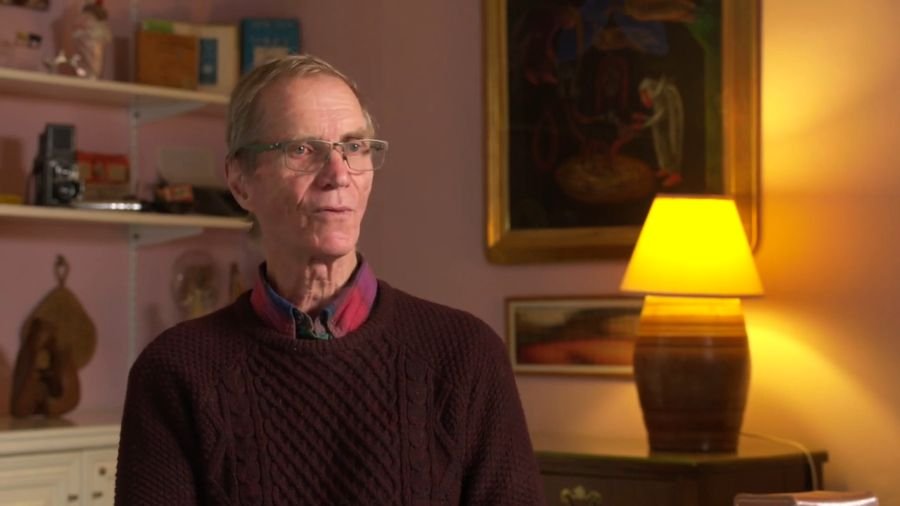
antony penrose – The Powerful Guardian of Surrealist Memory and British Photography
A British Photographer Who Turned Family Legacy into Global Cultural Impact

Table of Contents
ToggleIntroduction
Antony Penrose stands as a compelling example of how creativity, responsibility, and perseverance can shape a meaningful life. Known as a British photographer, author, filmmaker, and archivist, he did not simply inherit an artistic legacy—he protected it, expanded it, and made it accessible to the world. Born into a household that shaped 20th-century surrealism, Antony Penrose faced both the privilege and the burden of extraordinary parents.
While his life includes remarkable achievements, it also reflects quieter challenges: learning difficulties, the pressure of expectation, and the long process of finding his own professional identity. His journey shows both positive achievements and demanding responsibilities, making his story human, grounded, and inspiring.
Quick Bio
| Field | Information |
|---|---|
| Full Name | Antony William Roland Penrose |
| Known As | Antony Penrose |
| Date of Birth | 9 September 1947 |
| Birthplace | London Clinic, London, England |
| Nationality | British |
| Profession | British photographer, author, filmmaker, archivist, curator |
| Parents | Lee Miller, Roland Penrose |
| Spouse | Suzanna Penrose (deceased) |
| Children | Ami Bouhassane |
| Education | Royal Agricultural College |
| Known For | Lee Miller Archives, The Penrose Collection |
Early Life and Family Background
Antony Penrose was born in London in 1947 into a household already famous in artistic circles. His mother, Lee Miller, was a pioneering photographer and war correspondent, while his father, Roland Penrose, was a leading surrealist artist and writer. Their home was not ordinary; it was a meeting place for some of the most influential creative minds of the century.
In 1949, the family moved to Farley Farm in East Sussex. The farmhouse became a living gallery where artists, writers, and thinkers gathered regularly. Growing up in such an environment exposed Antony to art from an early age, but it also meant living in the shadow of towering reputations. This dual reality shaped his personality and later career choices.
Education and Personal Development
Despite being surrounded by intellectual brilliance, Antony Penrose faced his own educational challenges. He was diagnosed with dyslexia, which made formal learning difficult. However, this did not limit his curiosity or ambition. He pursued practical studies and enrolled at the Royal Agricultural College, initially planning a life connected to land and farming.
This phase of his life is important because it shows that his career in photography was not inevitable. His path was gradual, built through experience, travel, and self-discovery rather than academic pressure. This grounding later helped him manage complex archival and curatorial responsibilities.
The Start of a Creative Career
Antony Penrose’s professional journey did not begin with instant recognition. After completing his studies, he travelled extensively, including a notable journey around the world. These experiences broadened his perspective and deepened his appreciation for visual storytelling.
Photography entered his life naturally rather than strategically. Having access to cameras and artistic mentors from childhood, he began taking photographs seriously in his youth. Unlike his mother’s wartime photography, Antony’s early work focused on people, places, and artistic communities, helping him develop a personal visual language.
Establishing Himself as a British Photographer
As a British photographer, Antony Penrose built a body of work rooted in authenticity and historical awareness. His photographs often documented artists and creative spaces, capturing moments that might otherwise have been lost. Rather than chasing commercial fame, he focused on meaningful documentation.
This approach earned him respect rather than celebrity. His photography became an essential part of the Penrose Collection, valued not only for artistic merit but also for cultural significance. His work reflects patience, observation, and deep respect for his subjects.
Film, Writing, and Creative Expansion
Photography alone did not define Antony Penrose’s career. He expanded into filmmaking, establishing his own production company and working on documentary and short-form projects. These films allowed him to combine visual storytelling with narrative depth, further strengthening his creative voice.
Writing became another major outlet. Through carefully researched books, he documented surrealist history and family stories. His writing style balances emotional honesty with factual discipline, making complex artistic histories accessible to a broad audience.
The Lee Miller Archives and Curatorial Work
A defining moment in Antony Penrose’s life came after the death of his mother. While clearing Farley Farm, he discovered a vast collection of negatives, prints, and manuscripts. This discovery revealed how much of Lee Miller’s work had been unseen and unrecognised.
Rather than treating this as a personal inheritance, Antony took on the demanding task of building the Lee Miller Archives. This work required organisation, scholarship, and long-term commitment. It was rewarding but also demanding, involving decades of cataloguing, exhibitions, and public engagement.
Family Life and Personal Values
Antony Penrose shared much of this archival journey with his wife, Suzanna Penrose. Together, they laid the foundations for preserving and promoting Lee Miller’s legacy. Following her passing, Antony continued this work with support from his daughter, Ami Bouhassane.
Family remains central to his life. His work is deeply personal, yet he consistently prioritises public education and cultural access over private ownership. This balance between family responsibility and public service defines his character.
Challenges and Responsibilities
While Antony Penrose’s career includes many positive achievements, it also carries weighty responsibilities. Managing a major archive is demanding, often involving financial pressures, public scrutiny, and emotional labour. He has spoken openly about the challenges of growing up with a famous parent and later becoming the guardian of that legacy.
These difficulties make his achievements more credible. His success is not effortless; it is the result of sustained dedication and resilience.
Legacy and Cultural Impact
Antony Penrose’s legacy extends beyond his own photography. He is widely respected for restoring Lee Miller’s place in photographic history and for preserving a crucial chapter of surrealist art. Farley Farm has become an internationally recognised cultural site because of his efforts.
His influence lies in stewardship rather than self-promotion. By choosing preservation over personal acclaim, he ensured that future generations could study and appreciate important artistic work.
Conclusion
Antony Penrose represents a rare blend of creativity, responsibility, and humility. As a British photographer and cultural guardian, he transformed personal heritage into shared history. His life shows that legacy is not only inherited—it is earned through care, discipline, and long-term vision. His work continues to shape how modern audiences understand surrealism, photography, and artistic memory.
Frequently Asked Questions
Who is Antony Penrose?
Antony Penrose is a British photographer, author, filmmaker, and archivist known for preserving the legacy of Lee Miller and surrealist art.
Why is Antony Penrose important in photography?
He is important for both his own photographic work and for safeguarding one of the most significant photographic archives of the 20th century.
What is Antony Penrose best known for?
He is best known for founding the Lee Miller Archives and curating the Penrose Collection.
Is Antony Penrose still active?
Yes, he remains active in lecturing, curating exhibitions, and supporting cultural projects.
How does Antony Penrose’s work influence today’s art world?
His work ensures historical accuracy, public access, and continued appreciation of surrealist and photographic heritage.