
When people look at clothes they usually notice the material, color, design or how well it fits.. There is one thing that plays a very important role and often goes unnoticed. That is the seam of the garment.
A seam of a garment is the place where two or more pieces of fabric are joined together. It may look like a part of a garment but it has a big impact on the quality strength, comfort and appearance of the garment.
This is where seam engineering of garments becomes important.
Seam engineering of garments is the process of selecting the right seam type, stitch type, thread and sewing method for a garment. When done properly it helps make garments and reduces production problems.
What is seam engineering of garments?
In words seam engineering of garments means planning how different parts of a garment will be stitched together.
Every fabric behaves differently. A cotton T-shirt, denim jeans sportswear garment and formal shirt all need sewing methods.
The seam of a garment that works well for one fabric may not work properly for another.
By choosing the seam construction manufacturers can improve garment performance and reduce defects during production.
Why seams of garments matter in garment manufacturing
A garment goes through conditions during its life.
It gets stretched.
It gets washed.
It gets ironed.
It faces wear and tear.
If the seams of a garment are weak the garment may fail even if the fabric is good.
Strong and designed seams of garments help garments last longer and maintain their shape after repeated use.
That is why seam quality is considered one of the important factors in garment manufacturing.
How seam engineering of garments improves garment quality
One of the benefits of seam engineering of garments is improved seam strength of garments.
The correct combination of thread stitch density and seam type helps garments handle stress without tearing.
This is especially important for products like jeans, uniforms, workwear and sportswear.
Strong seams of garments increase the durability of the garment.
Customers expect garments to look neat and professional.
Poor seams of garments can create puckering, uneven stitching, loose threads and distorted fabric.
Good seam engineering of garments helps create clean seams of garments that improve the final appearance of the garment.
A looking garment creates a better impression on customers.
Seams of garments directly touch the body.
If a seam of a garment is bulky or rough it can cause discomfort during wear.
This is very common in activewear and innerwear products.
Proper seam design helps create garments that feel comfortable and smooth against the skin.
The fit of a garment depends on factors, including seam construction of the garment.
Incorrect seam allowance or poor stitching can affect garment shape.
Planned seams of garments help maintain proper dimensions and improve overall fitting.
How seam engineering of garments reduces production defects
Production defects can increase costs and create delivery delays.
Many common garment defects are directly related to seam construction of garments.
Proper seam engineering of garments helps reduce these problems.
In seam slippage fabric yarns move away from the seam line of a garment.
This creates gaps near the stitching area.
This is more of a problem in light-weight & woven fabrics.
Pre-selecting and optimising the seam type and stitch density can reduce seam slippage greatly.
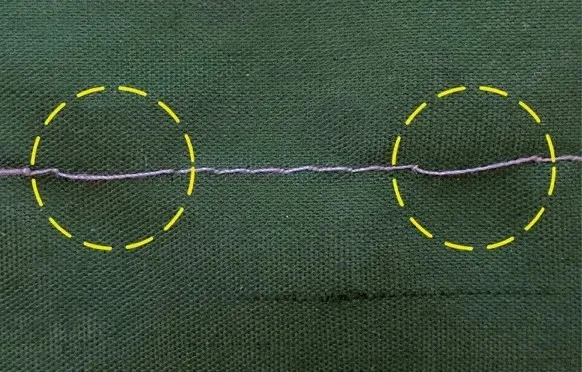
Seam puckering is one of the common sewing defects.
It makes the fabric appear wrinkled along the seam line of a garment.
This affects garment appearance and quality.
Proper thread selection (polyester corespun thread or textured thread), machine settings and seam design help control puckering.
Weak seams of garments can break during production, washing or customer use.
This often happens when the wrong thread or stitch type is used.
Seam engineering of garments helps determine the sewing parameters to improve seam durability of garments.
Defective seams of garments often require repairs or re-stitching.
This increases labour costs. Slows production.
When seam construction of garments is planned correctly from the beginning the need for rework becomes much lower.
Factories can save both time and money.
Important elements of seam engineering of garments
Several factors work together to create an reliable seam of a garment.
Different fabrics have characteristics.
Stretch fabrics need seams of garments.
Heavy fabrics need seam construction of garments.
The fabric must always be considered before selecting a seam type of a garment.
The sewing thread should match the fabric and garment application.
A weak thread can reduce seam strength of a garment.
A suitable thread improves durability and sewing performance of a garment.
Different stitches provide levels of strength and flexibility.
Common stitch types include:
- Lockstitch
- Chain stitch
- Overlock stitch
- Cover stitch
Each stitch type has its purpose.
The seam type should be selected according to garment use and fabric properties.
Some common seam types are:
- seam
- Flat seam
- French seam
- Lapped seam
Choosing the seam of a garment improves both performance and appearance.
Benefits for manufacturers
seam engineering of garments offers many advantages to garment manufacturers.
Some key benefits include:
- Better product quality
- Fewer production defects
- rejection rates
- Reduced rework costs
- customer satisfaction
- Production efficiency
- Stronger and durable garments
These benefits eventually help manufacturers remain competitive in the market.
Seam engineering of garments may look like a part of garment manufacturing but its impact is very large.
Strong designed seams of garments improve garment quality, appearance, comfort and durability.
At the time they help reduce common production defects such as seam puckering, seam breakage and seam slippage.
By paying attention to seam engineering of garments garment manufacturers can produce better products reduce wastage and improve overall production performance.
In todays apparel industry good seam engineering of garments is not just important it is essential, for delivering high-quality garments consistently.