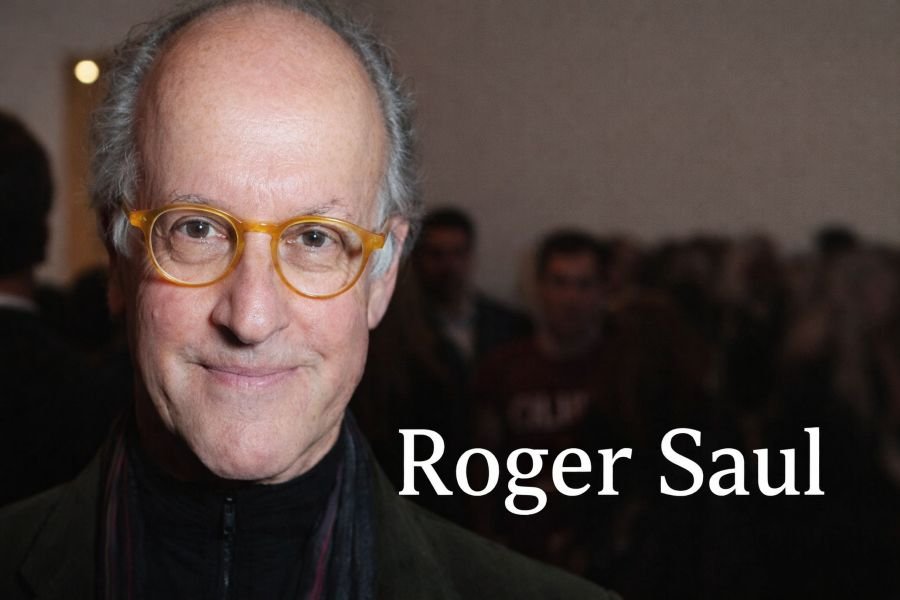
Roger Saul – The Visionary Rise and Hard Lessons Behind a British Luxury Pioneer
From Kitchen Table Startup to Global Fashion Icon – Success, Setbacks, and Reinvention

Table of Contents
ToggleIntroduction
Roger Saul is widely recognized as one of the most influential figures in British fashion entrepreneurship. Known as the Co-Founder of Mulberry Group plc, he transformed a small, family-backed idea into a globally respected luxury brand. His journey reflects both remarkable success and challenging setbacks, making his story powerful and realistic.
His career is not just about building a brand but also about resilience. From early achievements in the fashion world to his unexpected departure from the company he created, Roger Saul’s life shows that even the most successful entrepreneurs face difficult turning points. Yet, his ability to reinvent himself continues to inspire modern business leaders.
Quick Bio
| Field | Details |
|---|---|
| Full Name | Roger John Saul |
| Date of Birth | July 1950 |
| Age (2026) | 75 years |
| Birthplace | Lottisham, Somerset, England |
| Nationality | British |
| Profession | Entrepreneur, Businessman |
| Known For | Co-Founder of Mulberry Group plc |
| Spouse | Monty |
| Children | William, Cameron, Freddie |
| Education | Wells Cathedral School, Kingswood School, Westminster College |
Early Life and Background
Roger Saul was born in the rural region of Somerset, England, where he grew up in a family connected to craftsmanship and retail. His father worked in the footwear industry at Clarks, which exposed him to design and production at an early age. This environment played a key role in shaping his understanding of quality and materials.
During his early years, Saul developed an interest in business and creativity. His upbringing combined traditional values with entrepreneurial thinking, which later became the foundation of his success. His exposure to both rural life and commerce helped him develop a balanced and practical mindset.
Education and Formative Years
Roger Saul attended Wells Cathedral School and later Kingswood School in Bath. These institutions provided him with discipline and academic grounding, but his real learning came from observing business and trade around him.
He later pursued business studies at Westminster College in London. Moving to London gave him access to the fashion industry, where he gained valuable experience as a trainee buyer. This period helped him understand market trends, customer preferences, and the importance of branding.
Start of Career
Roger Saul began his professional journey working in fashion retail, where he learned the basics of sourcing, pricing, and selling products. However, he quickly realized that he wanted to create something of his own rather than work within an existing system.
With a small loan of £500 from his mother, he started producing leather belts and accessories. Working from his kitchen table, he laid the foundation of what would later become a global luxury brand. His early work was driven by passion, creativity, and determination.
Building Mulberry – The Breakthrough
Mulberry Group plc was founded in 1971 by Roger Saul and his mother. The company initially focused on leather goods and quickly gained attention for its craftsmanship and British identity.
Over time, Mulberry expanded its product line to include handbags, clothing, and accessories. The brand became known for combining traditional craftsmanship with modern design. Under Saul’s leadership, Mulberry grew into an internationally recognized luxury label.
Growth, Success, and Global Expansion
Roger Saul led Mulberry for more than three decades, serving as Founder, Chairman, and CEO. During this period, the company expanded into global markets, including Europe and Asia. It also gained a strong reputation for quality and authenticity.
One of the major milestones in his career was taking Mulberry public in 1996. This move strengthened the company’s financial position and allowed it to scale further. The brand also received prestigious awards for export, highlighting its international success.
Challenges and Boardroom Exit
Despite his achievements, Roger Saul faced a major setback in 2002 when he was removed from Mulberry after a boardroom dispute. This was a difficult moment, as he lost control of the company he had built from scratch.
This event marked a turning point in his life. While it was a negative experience, it also pushed him to explore new opportunities. His ability to move forward after such a setback demonstrates his resilience and strength as an entrepreneur.
Reinvention Through Sustainable Farming
After leaving Mulberry, Roger Saul shifted his focus to agriculture. He developed Sharpham Park in Somerset into a successful organic farming business, specializing in sustainable crops such as spelt.
This transition from fashion to farming may seem unusual, but it reflects his adaptability. He applied the same principles of quality and long-term thinking to agriculture, creating a business that aligns with environmental sustainability.
Other Ventures and Business Interests
Roger Saul also developed Kilver Court, a designer shopping destination that combines retail with lifestyle experiences. This project shows his continued interest in creating unique consumer environments.
In addition, he explored hospitality ventures, including a hotel that achieved significant recognition. These ventures highlight his ability to diversify and succeed in different industries beyond fashion.
Personal Life and Values
Roger Saul is married to Monty, a former model, and they have three sons. He continues to live in Somerset, where he remains connected to both his business and rural roots.
His lifestyle reflects a balance between entrepreneurship and sustainability. He values quality, craftsmanship, and environmental responsibility, which are evident in both his professional and personal choices.
Legacy and Influence
Roger Saul’s legacy is deeply connected to the rise of British luxury fashion. By building Mulberry, he helped establish a global identity for British craftsmanship and design.
His later work in sustainable farming adds another dimension to his legacy. It shows that success is not limited to one industry and that reinvention is always possible. His journey continues to inspire entrepreneurs worldwide.
Conclusion
Roger Saul’s life story is a powerful combination of success and challenge. As the Co-Founder of Mulberry Group plc, he built a globally respected brand, yet he also faced significant setbacks that tested his resilience.
What makes his journey truly inspiring is his ability to reinvent himself and succeed in a completely different field. His story proves that true entrepreneurship is not just about building success but also about adapting, learning, and moving forward.
FAQs
1. Who is Roger Saul?
Roger Saul is a British entrepreneur best known as the co-founder of Mulberry, a luxury fashion brand.
2. What is Roger Saul famous for?
He is famous for building Mulberry into a global luxury company and later transitioning into sustainable farming.
3. When was Roger Saul born?
He was born in July 1950 in Somerset, England.
4. What is Mulberry?
Mulberry is a British luxury fashion brand known for leather goods and accessories.
5. Why did Roger Saul leave Mulberry?
He left the company in 2002 following a boardroom dispute.
6. What did Roger Saul do after leaving Mulberry?
He focused on sustainable farming and developed Sharpham Park into a successful agricultural business.
7. Is Roger Saul still active in business?
Yes, he remains involved in farming and other business ventures.
8. Who is Roger Saul’s wife?
He is married to Monty, a former model.
9. How many children does Roger Saul have?
He has three sons: William, Cameron, and Freddie.
10. What is Roger Saul’s legacy?
His legacy includes building Mulberry and promoting sustainable business practices.
11. What can entrepreneurs learn from Roger Saul?
Entrepreneurs can learn resilience, adaptability, and the importance of long-term vision from his journey.