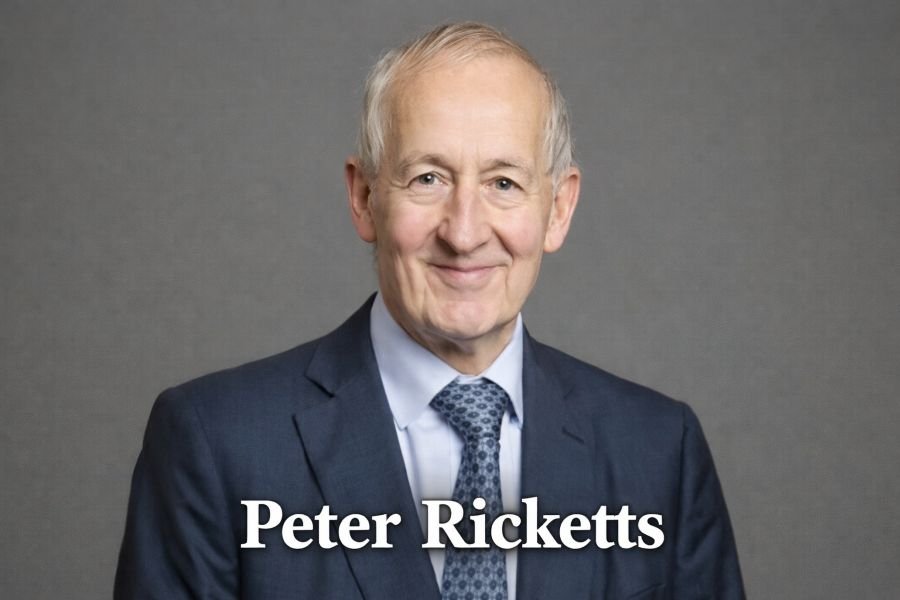
Peter Ricketts: Powerful Diplomat Behind Britain’s Security Strategy — Leadership, Influence, and Global Impact
A remarkable yet understated journey of a Member of the House of Lords of the United Kingdom who shaped modern national security

Table of Contents
ToggleIntroduction
Peter Ricketts stands as one of the most influential yet quietly impactful figures in British diplomacy. His career reflects both strength and subtlety—powerful leadership combined with a measured, thoughtful approach to global challenges. While his name may not dominate headlines like politicians, his influence behind the scenes has shaped the United Kingdom’s modern foreign and security policies.
As a Member of the House of Lords of the United Kingdom, Peter Ricketts continues to contribute to national debates with authority and experience. His journey from a young civil servant to the first UK National Security Adviser highlights both the opportunities and pressures of working at the highest levels of government. His story is not only about success but also about the weight of responsibility in times of global uncertainty.
Quick Bio
| Field | Details |
|---|---|
| Full Name | Peter Forbes Ricketts |
| Title | Baron Ricketts |
| Date of Birth | 30 September 1952 |
| Age | 73 years (as of 2026) |
| Birthplace | Sutton Coldfield, England |
| Nationality | British |
| Profession | Diplomat, Policy Expert |
| Known For | UK National Security Adviser |
| Spouse | Suzanne Ricketts |
| Children | 2 |
| Education | Pembroke College, Oxford |
| Current Role | Member of the House of Lords |
Early Life and Education
Humble Beginnings and Academic Foundation
Peter Ricketts was born in Sutton Coldfield, a town known for its calm environment and strong educational culture. Growing up in England during a time of political and social transformation, he developed an early awareness of global affairs and national identity. This environment played a subtle but important role in shaping his future interests.
He pursued his education at Bishop Vesey’s Grammar School, where discipline and academic excellence were strongly emphasized. Later, he attended Pembroke College, Oxford, where he studied English Literature. This academic path helped him develop analytical thinking, communication skills, and a deep understanding of complex ideas—qualities essential for a future diplomat.
Start of Career
Entering the Foreign Service
Peter Ricketts began his professional journey in 1974 when he joined the Foreign and Commonwealth Office. This marked the beginning of a long and impactful career in diplomacy. Starting at a time when global politics were rapidly evolving, he gained valuable exposure to international relations early on.
In his initial roles, he worked closely with senior government officials, which allowed him to understand how decisions are made at the highest level. These early experiences built the foundation for his later leadership roles and gave him insight into the complexities of foreign policy.
Rise in Diplomatic Career
International Experience and Strategic Growth
As his career progressed, Peter Ricketts took on assignments in key global locations such as Singapore, Washington, and Paris. These postings were not just routine diplomatic roles but important opportunities to understand different political systems, cultures, and international priorities.
Working in these major cities helped him build strong relationships and gain credibility on the global stage. His ability to navigate sensitive diplomatic situations and represent British interests effectively made him a trusted figure within the government.
Major Leadership Roles
Shaping Intelligence and Security
One of the most important phases of his career came when he served as Chairman of the Joint Intelligence Committee. In this role, he was responsible for coordinating intelligence assessments and advising the government on critical security issues. This position required not only expertise but also the ability to make decisions under pressure.
Later, he became the Permanent Under-Secretary at the Foreign Office, the highest-ranking civil servant in the department. Here, he led the UK Diplomatic Service and played a central role in managing international relations during a time of global challenges.
First UK National Security Adviser
A Historic and Demanding Role
Peter Ricketts made history by becoming the first UK National Security Adviser. This role was both groundbreaking and demanding, as it required the integration of defense, intelligence, and foreign policy strategies. He helped establish the National Security Council and contributed to shaping the country’s first comprehensive national security strategy.
This position highlighted both the positive and negative aspects of leadership. While it allowed him to influence national policy at the highest level, it also placed him under intense scrutiny and responsibility during global crises.
Ambassador to France
Strengthening International Relations
From 2012 to 2016, Peter Ricketts served as the British Ambassador to France. This role was crucial in maintaining and strengthening the relationship between the two countries, especially in areas such as defense cooperation and international security.
During his time in Paris, he worked on several initiatives that enhanced collaboration between the UK and France. His diplomatic skills ensured that both nations continued to work closely together despite changing political landscapes.
Role in the House of Lords
Continuing Public Service
After retiring from active diplomatic service, Peter Ricketts was appointed as a life peer and became Baron Ricketts. As a Member of the House of Lords of the United Kingdom, he continues to play an active role in shaping public policy.
In the House of Lords, he brings decades of experience to discussions on foreign affairs and national security. His independent position allows him to provide balanced and informed opinions without political bias.
Business and Advisory Roles
Influence Beyond Government
Following his government career, Peter Ricketts expanded his influence into the private and advisory sectors. He became a board member of major international organizations such as Engie and Getlink. These roles allowed him to apply his strategic expertise in a business context.
His involvement in advisory positions demonstrates how his skills remain valuable beyond traditional diplomacy. It also shows how experienced leaders can contribute to both public and private sectors.
Legacy and Impact
A Lasting Contribution to Modern Britain
Peter Ricketts’ legacy is defined by his contribution to modernizing the United Kingdom’s national security framework. His work has had a lasting impact on how the country approaches global challenges and international cooperation.
While his career includes many achievements, it also reflects the complexities of leadership. Balancing national interests with global responsibilities is never easy, and his journey highlights both the successes and challenges of such a role.
Conclusion
Peter Ricketts represents a unique blend of intelligence, leadership, and dedication. From his early days in the Foreign Office to his current role in the House of Lords, he has consistently contributed to shaping the United Kingdom’s position in the world.
His story is both inspiring and realistic, showing that true influence often comes from steady, thoughtful work rather than public recognition. As a Member of the House of Lords of the United Kingdom, his voice continues to guide important discussions, ensuring that his legacy remains relevant for years to come.
FAQs
1. Who is Peter Ricketts?
Peter Ricketts is a British diplomat and Member of the House of Lords known for his role as the UK’s first National Security Adviser.
2. What is Peter Ricketts famous for?
He is best known for shaping the UK’s national security strategy and leading high-level diplomatic roles.
3. What is his role in the House of Lords?
He serves as an independent member, contributing to debates on foreign policy and security.
4. Where did Peter Ricketts study?
He studied English Literature at Pembroke College, Oxford.
5. What is his legacy?
His legacy lies in strengthening UK diplomacy and modernizing national security systems.