Philip Mould: The Brilliant Art Detective Behind Hidden Masterpieces — Genius Vision or Controversial Eye?
Exploring the Life, Career, and Influence of a Leading English Art Dealer

Table of Contents
ToggleIntroduction
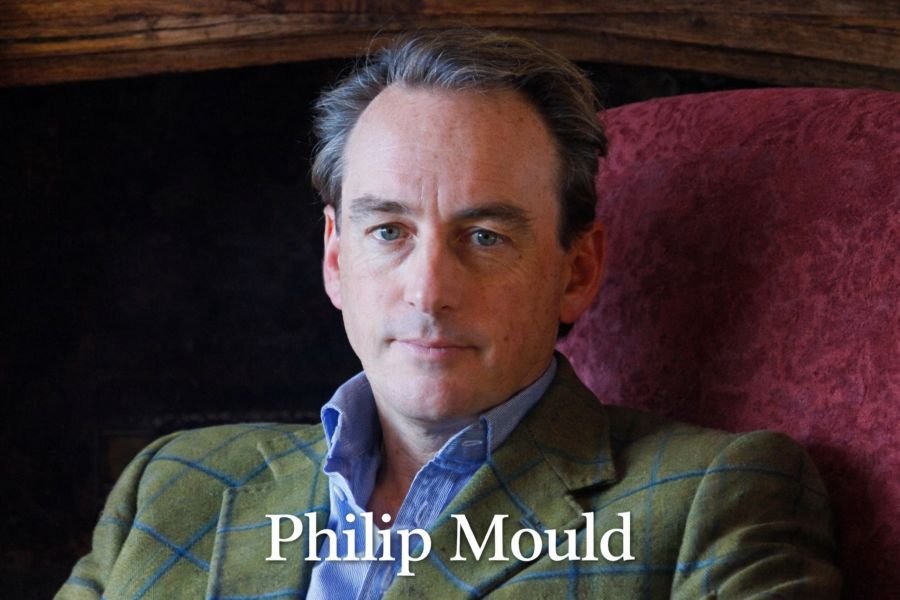
Philip Mould is widely recognized as one of the most influential figures in the world of art dealing and historical investigation. Known for his sharp eye and deep knowledge, he has built a reputation as a true “art detective,” uncovering lost masterpieces and bringing forgotten works back into the spotlight. His journey reflects both brilliance and the challenges of navigating a complex and sometimes controversial art market.
As an English art dealer, historian, and broadcaster, Philip Mould has shaped how audiences understand art today. Through television, books, and his gallery work, he has made art more accessible to the public. However, his career also highlights the intense scrutiny and debate that often surrounds art authentication and valuation.
Quick Bio
| Field | Details |
|---|---|
| Full Name | Philip Jonathan Clifford Mould |
| Date of Birth | 4 March 1960 |
| Age | 66 years (as of 2026) |
| Birthplace | Wirral, Cheshire, England |
| Nationality | British |
| Profession | English art dealer, historian, broadcaster, author |
| Education | University of East Anglia (History of Art) |
| Spouse | Catherine Mould |
| Children | One son |
| Company | Philip Mould & Company |
| Known For | Art discoveries, Fake or Fortune? |
Early Life and Background
Philip Mould was born in Wirral, Cheshire, where his fascination with antiques began at an unusually young age. Growing up in an environment that exposed him to collectibles and craftsmanship, he quickly developed a keen interest in identifying valuable objects. This early curiosity became the foundation of his future career.
As a teenager, he began trading antique silver, gaining practical experience long before formal education shaped his expertise. This hands-on learning allowed him to understand the art market from the ground up. It also gave him a unique advantage over many traditional scholars who lacked real-world exposure.
Education and Academic Journey
Philip Mould attended Kingsmead School and later Worth School, where his academic performance was complemented by his growing passion for art. Although he was not initially focused solely on academics, his interest in art history continued to deepen.
He later studied History of Art at the University of East Anglia, graduating in 1981. This academic background refined his analytical skills and provided theoretical support for his practical knowledge. The combination of education and experience helped him become a well-rounded expert in the art world.
Career Beginnings
Philip Mould’s professional journey began in the early 1980s, but his real career had already started years earlier through antique trading. His early exposure to buying and selling objects gave him a deep understanding of value, authenticity, and historical significance.
As he entered the professional art market, he focused on British portraiture and Old Master paintings. His ability to identify overlooked artworks quickly set him apart. This period marked the beginning of his rise as a respected English art dealer.
Rise as a Leading English Art Dealer
Over time, Philip Mould established himself as a leading figure in the art world. His expertise in historical portraiture and his ability to uncover hidden masterpieces earned him widespread recognition. He became known not just as a dealer, but as a specialist with a detective-like approach.
He founded Philip Mould & Company, a London-based gallery specializing in British art. The gallery showcases works spanning centuries and has contributed to major collections. His work has helped place important artworks in institutions such as the National Portrait Gallery and Tate.
Major Discoveries and Contributions
One of the defining aspects of Philip Mould’s career is his role in rediscovering lost or misattributed artworks. His work has brought attention to pieces that might otherwise have remained unknown or undervalued.
He has identified works by renowned artists such as Thomas Gainsborough, Anthony van Dyck, and Thomas Lawrence. These discoveries have not only increased the value of the artworks but have also enriched art history. His contributions demonstrate how expertise and persistence can reshape understanding of the past.
Television Career and Public Influence
Philip Mould gained global recognition through the television program Fake or Fortune?, where he investigates the authenticity of artworks. The show combines historical research, scientific testing, and expert analysis, making art investigation accessible and engaging.
Through television, he has reached a much wider audience than traditional art dealers. His ability to explain complex ideas in a simple and engaging way has made him a trusted figure among viewers. This media presence has significantly increased public interest in art history and authentication.
Writing and Publications
In addition to his work as an English art dealer and broadcaster, Philip Mould is also an accomplished author. His books explore the world of art discovery and the challenges involved in identifying genuine works.
His writing offers readers a behind-the-scenes look at the art world, revealing both its excitement and its uncertainties. By sharing his experiences, he has helped demystify the process of art investigation and inspired a new generation of art enthusiasts.
Business Ventures and Professional Work
Philip Mould’s primary business venture is his gallery, which plays a central role in his career. Through this platform, he buys, sells, and researches artworks, contributing to both private collections and public institutions.
His work also includes consultancy and advisory roles, where his expertise is used to evaluate and authenticate artworks. These activities form a significant part of his professional influence and demonstrate his importance in the art market.
Challenges and Controversies
While Philip Mould’s career is marked by success, it has not been without challenges. The art world is highly competitive and often involves debates over authenticity and valuation. Decisions made by experts can be questioned, leading to controversy.
Despite these challenges, Mould has maintained his reputation through consistent work and transparency. His willingness to engage in detailed investigation and public discussion has strengthened his credibility. This balance of praise and scrutiny defines much of his professional journey.
Legacy and Lasting Impact
Philip Mould’s legacy lies in his ability to transform how people perceive art. He has brought art investigation into mainstream culture and made it accessible to a global audience.
His work has preserved important pieces of history and expanded knowledge of British art. As an English art dealer, his influence extends beyond commerce, shaping education, media, and cultural appreciation. His legacy continues to inspire both professionals and enthusiasts.
Conclusion
Philip Mould stands as a remarkable figure whose career blends knowledge, passion, and determination. From his early days as a young antique trader to becoming a leading English art dealer, his journey reflects dedication and innovation.
While his work has sparked both admiration and debate, there is no doubt that he has left a lasting mark on the art world. His contributions continue to influence how art is discovered, valued, and understood.
FAQs
1. Who is Philip Mould?
Philip Mould is a British art dealer, historian, author, and television presenter known for discovering and authenticating artworks.
2. What is Philip Mould famous for?
He is best known for his role in Fake or Fortune? and his discoveries of important artworks.
3. What does Philip Mould specialize in?
He specializes in British portraiture and Old Master paintings.
4. What is Philip Mould & Company?
It is his London-based gallery dealing in historical and British artworks.
5. Where was Philip Mould born?
He was born in Wirral, Cheshire, England.
6. Is Philip Mould married?
Yes, he is married to Catherine Mould.
7. What is his profession?
He is an English art dealer, historian, broadcaster, and author.
8. Has Philip Mould written books?
Yes, he has written books about art discovery and lost masterpieces.
9. What TV show does he present?
He co-presents Fake or Fortune?.
10. What is his legacy?
He has made art investigation accessible and contributed significantly to art history.
11. Why is he important in the art world?
Because of his expertise in identifying and authenticating historically significant artworks.