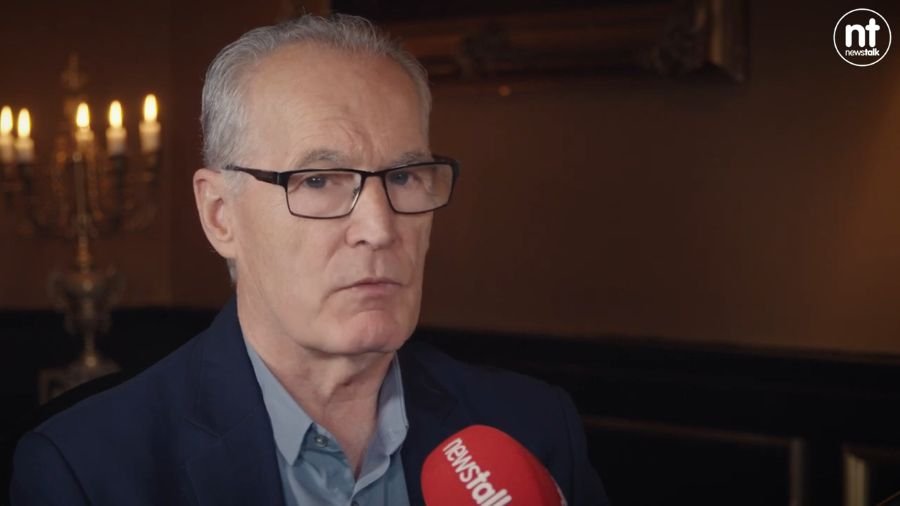
Gerry Kelly: A Key Figure in Northern Ireland’s Political Landscape
From IRA Volunteer to Member of the Legislative Assembly of Northern Ireland, Gerry Kelly’s Journey Through Politics and Peace

Table of Contents
ToggleIntroduction
Gerry Kelly is a prominent Northern Irish politician whose life journey has been marked by both activism and negotiation. He has served as a Member of the Legislative Assembly (MLA) for North Belfast for many years and has been a significant figure in the Sinn Féin political movement. Kelly’s involvement in the Irish Republican Army (IRA) during The Troubles and his subsequent political career have made him both a controversial and influential figure in Northern Ireland’s history.
In this article, we will explore Gerry Kelly’s early life, his rise to political prominence, his role in the peace process, and the challenges he faced throughout his career. We will also touch on his legacy as a leader in Northern Ireland’s political landscape and his lasting impact on the Good Friday Agreement.
Quick Bio
| Detail | Information |
|---|---|
| Full Name | Gerry Kelly |
| Date of Birth | 5 April 1953 |
| Place of Birth | Belfast, Northern Ireland, UK |
| Nationality | Irish, Northern Irish |
| Spouse | Helena Kelly |
| Children | Two daughters |
| Political Role | Member of the Legislative Assembly of Northern Ireland |
| Party | Sinn Féin |
Early Life and Background
Born in 1953 in Belfast, Gerry Kelly was raised in a working-class Irish Catholic family. Growing up during The Troubles—the violent conflict in Northern Ireland—Kelly’s early life was shaped by the political and social unrest that divided the country. His community faced discrimination, and the conflict between the Protestant and Catholic populations in Northern Ireland deeply influenced his worldview and his eventual political leanings.
Kelly’s family was large, and as one of 11 children, he experienced the struggles of growing up in a politically divided society. It was during these formative years that Kelly’s activism took root, influenced by the surrounding violence and the desire to seek justice for the marginalized Catholic community. His journey into politics began with his membership in the Provisional Irish Republican Army (IRA), which he joined in the early 1970s.
Gerry Kelly’s Role in the IRA
During the early stages of The Troubles, Kelly became an active member of the Provisional IRA, a paramilitary organization that aimed to end British rule in Northern Ireland and reunite Ireland. He participated in several high-profile operations, most notably the Old Bailey bombing campaign in 1973. His actions led to his arrest and subsequent sentencing to two life sentences in a British prison.
While in prison, Kelly became a key figure in the IRA prisoners’ movement, advocating for political prisoner status and better conditions for inmates. This led to his involvement in the 1974 hunger strikes that aimed to secure political status for Republican prisoners. Kelly’s efforts on behalf of fellow prisoners made him a symbol of resistance for many Irish nationalists.
The Maze Prison Escape and Aftermath
One of the most dramatic events of Gerry Kelly’s life came in 1983 with his participation in the infamous Maze Prison escape. On 25 September 1983, Kelly was one of 38 IRA prisoners who broke out of the highly secured Maze Prison (also known as Long Kesh). The escape was meticulously planned and involved using smuggled guns to overpower prison guards.
Kelly’s escape marked a turning point in his life, as he became one of Northern Ireland’s most wanted men. He spent several years in hiding before being captured in the Netherlands in 1986 and returned to Northern Ireland. However, in a significant turn of events, Kelly was released from prison in 1989, having served part of his sentence under an agreement made between the Irish and British governments.
Gerry Kelly’s Political Career and Sinn Féin
After his release, Kelly transitioned from a paramilitary activist to a political leader, aligning himself with Sinn Féin, the political wing of the Irish Republican movement. Kelly became involved in Sinn Féin’s push to engage with the British government in peace talks, a shift that came to fruition in the 1990s.
Kelly was first elected as a Member of the Legislative Assembly (MLA) for North Belfast in 1998, following the implementation of the Good Friday Agreement—a landmark peace deal that helped bring an end to the violence in Northern Ireland. His election marked the beginning of a long and influential political career, during which he became a key advocate for Sinn Féin’s objectives.
The Good Friday Agreement and Peace Process
As a member of Sinn Féin, Kelly played a pivotal role in the Good Friday Agreement of 1998, which established a devolved government for Northern Ireland and sought to address many of the underlying causes of The Troubles. This agreement, which was negotiated between Sinn Féin, the Democratic Unionist Party (DUP), and the British government, marked a turning point in Northern Ireland’s history.
Kelly’s involvement in the peace process helped to shape Sinn Féin’s political transition from a party historically linked with armed struggle to one that engaged in mainstream politics. His participation in negotiations and his subsequent role as a member of the Northern Ireland Assembly underscored his commitment to resolving political issues through dialogue rather than violence.
Challenges and Controversies
Despite his contributions to the peace process, Kelly has not been without controversy. His early affiliation with the IRA and his involvement in armed struggle has led to criticisms from those who argue that his actions have contributed to the violence of The Troubles. However, Kelly has consistently defended his past, stating that his actions were motivated by the desire for justice for the Catholic nationalist community in Northern Ireland.
Over the years, Kelly has faced various challenges, including criticism for his vocal support for Sinn Féin’s positions on issues such as policing, the legacy of the Troubles, and his opposition to certain British state policies. Despite these controversies, Kelly has remained a staunch defender of the peace process and has been a key figure in Sinn Féin’s ongoing efforts to advocate for Irish unity.
Legacy of Gerry Kelly
Today, Gerry Kelly’s legacy is multifaceted. He is seen as a key player in the Irish Republican movement who played a significant role in bringing about the Good Friday Agreement and securing a political future for Sinn Féin. However, his past remains a subject of debate, with many questioning his early affiliations with the IRA.
Nevertheless, Kelly’s transition from militant to politician exemplifies the political evolution in Northern Ireland, where former adversaries have found common ground in the pursuit of peace and political stability. His work in the Northern Ireland Assembly, as well as his ongoing involvement in Sinn Féin’s activities, has solidified his position as a critical figure in Northern Irish politics.
Conclusion
Gerry Kelly’s journey from an IRA volunteer to a Member of the Legislative Assembly of Northern Ireland reflects the complex and often turbulent history of Northern Ireland itself. His life is a testament to the transformative power of political negotiation and his long-standing commitment to peace and Irish republicanism. Whether viewed as a hero or a controversial figure, Kelly’s impact on Northern Ireland’s political landscape cannot be overstated.
FAQ
1. What is Gerry Kelly’s role in the peace process?
Gerry Kelly played a pivotal role in the Good Friday Agreement of 1998, helping to establish peace in Northern Ireland and shift Sinn Féin from a paramilitary group to a legitimate political party.
2. Was Gerry Kelly involved in violent activities?
Yes, Kelly was an active member of the Provisional IRA during The Troubles, and his involvement in IRA operations, including bombings and the 1983 Maze Prison escape, has been well documented.
3. How long has Gerry Kelly been in politics?
Kelly has been a member of Sinn Féin since the late 1980s and has served as an MLA for North Belfast since 1998.
4. What has Gerry Kelly contributed to Northern Ireland’s government?
Kelly has been a key advocate for justice and policing reform, and has played a significant role in Sinn Féin’s shift towards participation in mainstream politics.
5. What controversies surround Gerry Kelly?
Kelly’s affiliation with the IRA and his support for its actions during The Troubles have been sources of controversy. However, he has remained a committed advocate for peace and Irish unity through the political process.