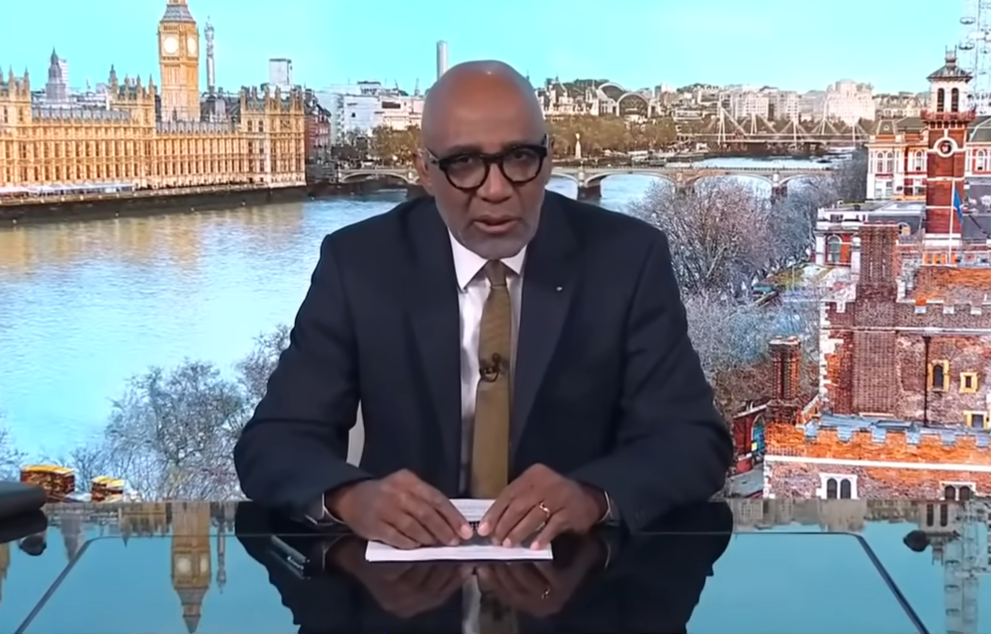
Sir Trevor Phillips: A Powerful Voice Shaping Modern Britain
Leadership, Ideas, and the Courage to Challenge Comfortable Thinking

Table of Contents
ToggleIntroduction
Sir Trevor Phillips is one of the most influential public figures in modern Britain, known for his strong voice on race, equality, identity, and national cohesion. As a British writer, broadcaster, and public servant, he has spent decades shaping debates that many avoid and confronting issues that often divide opinion. His career reflects courage, clarity, and a willingness to challenge both institutions and individuals when he believes progress demands it.
At the same time, Sir Trevor Phillips has never been a universally comfortable figure. His ideas have attracted admiration and criticism in equal measure. This mix of praise and controversy has only strengthened his reputation as an independent thinker whose work continues to influence public life. His journey from student leadership to national prominence reveals a life driven by purpose, intellect, and public service.
Quick Bio
| Field | Information |
|---|---|
| Full Name | Sir Mark Trevor Phillips |
| Known As | Sir Trevor Phillips |
| Date of Birth | 31 December 1953 |
| Birthplace | Islington, London, England |
| Nationality | British |
| Profession | British writer, broadcaster, public servant |
| Education | BSc in Chemistry, Imperial College London |
| Notable Roles | Equality and Human Rights Commission Chair, Broadcaster |
| Honours | OBE (1999), Knighthood (2022) |
Early Life and Education
A Childhood Shaped by Two Worlds
Sir Trevor Phillips was born in London to parents who had emigrated from Guyana. His early life was shaped by movement between Britain and Guyana, exposing him to different cultures, social realities, and educational systems. This dual experience helped form his lifelong interest in identity, belonging, and how societies manage diversity.
Growing up as the youngest of ten children, he learned early lessons in resilience and self-expression. These formative years played a crucial role in developing his confidence and independence of thought, traits that would later define his public career.
Academic Foundation and Student Leadership
Phillips was educated at Wood Green County Grammar School before continuing his studies in Guyana. He later returned to the UK and graduated with a degree in chemistry from Imperial College London. While his academic training was scientific, his passion increasingly leaned toward social issues, politics, and public debate.
During his student years, he emerged as a natural leader. He became President of the National Union of Students, marking a historic moment and signalling the beginning of a public life centred on leadership, representation, and reform.
Entry into Media and Writing
From Researcher to Influential Broadcaster
Sir Trevor Phillips began his professional career in television as a researcher, gradually rising through the ranks to become a senior figure in current affairs broadcasting. His work focused on serious social topics, and he developed a reputation for asking difficult questions and refusing simplistic answers.
As a broadcaster, he gained recognition for programmes that examined race, history, and modern Britain. His work combined factual depth with narrative clarity, allowing complex ideas to reach a wider audience. This period established him as a respected British writer and communicator with a national platform.
Writing with Purpose
Alongside broadcasting, Phillips developed a strong presence as a writer. His work explored Britain’s changing identity, the legacy of migration, and the realities of multicultural society. He became known for writing that was direct, thoughtful, and often challenging, appealing to readers who valued honest discussion over comfortable consensus.
Public Service and National Leadership
Political Engagement and London Governance
Sir Trevor Phillips entered formal politics through the Greater London Assembly, where he played a key role in shaping scrutiny and debate in the capital’s early years of devolved governance. His leadership style was firm and analytical, earning respect even from political opponents.
Although he did not pursue long-term elected office, his experience in London governance reinforced his belief that effective leadership requires both accountability and open debate.
Championing Equality and Human Rights
One of the defining chapters of his career was his leadership of national equality bodies. As head of organisations dedicated to equality and human rights, he oversaw major policy discussions on discrimination, fairness, and social cohesion.
His tenure was marked by both progress and controversy. Supporters credit him with modernising debates around integration and equality, while critics argued with some of his conclusions. Regardless of perspective, his impact on the national conversation was undeniable.
Ideas, Influence, and Debate
A Voice That Divides and Informs
Sir Trevor Phillips is respected for his willingness to express unpopular views when he believes they serve the public interest. His commentary on race and integration has sparked intense debate, illustrating the positive power of open discussion while also revealing the risks of misinterpretation.
These moments of controversy have not diminished his influence. Instead, they underline his role as a public intellectual who values evidence, history, and reasoned argument over slogans and easy answers.
Continued Media Presence
In later years, Phillips has remained active in broadcasting and commentary. His presence in national media ensures that his ideas continue to reach wide audiences, reinforcing his status as a leading British writer and thinker in public life.
Personal Life and Values
Private Strength and Public Responsibility
While Sir Trevor Phillips maintains a largely private personal life, his experiences have influenced his public outlook. He has spoken openly about loss and responsibility, reinforcing his belief that public policy must be grounded in empathy as well as evidence.
His life reflects a balance between private resilience and public duty, a combination that adds depth to his contributions and credibility to his voice.
Legacy and Lasting Impact
Shaping Modern British Discourse
Sir Trevor Phillips’ legacy lies in his ability to change conversations. Through writing, broadcasting, and leadership, he has encouraged Britain to confront difficult questions about identity, fairness, and national unity.
He will be remembered as a figure who refused silence when debate was needed. His work continues to influence policymakers, writers, and citizens seeking to understand the complexities of modern society.
Conclusion
Sir Trevor Phillips stands as a powerful example of intellectual independence and public courage. As a British writer, broadcaster, and leader, he has shaped discussions that define modern Britain. His career includes moments of praise and criticism, success and controversy, yet his commitment to honest debate remains consistent. In a world that often avoids complexity, his voice continues to matter.
Frequently Asked Questions
Who is Sir Trevor Phillips?
Sir Trevor Phillips is a British writer, broadcaster, and public servant known for his work on equality, race relations, and public policy.
What is Sir Trevor Phillips best known for?
He is best known for his leadership in equality institutions, his media career, and his influential writing on modern British society.
Is Sir Trevor Phillips a British writer?
Yes, he is widely recognised as a British writer and commentator on social and political issues.
What honours has Sir Trevor Phillips received?
He has received an OBE and was knighted for his services to equality and human rights.
Why is Sir Trevor Phillips considered influential?
He is influential because he consistently challenges established thinking and contributes evidence-based perspectives to national debates.