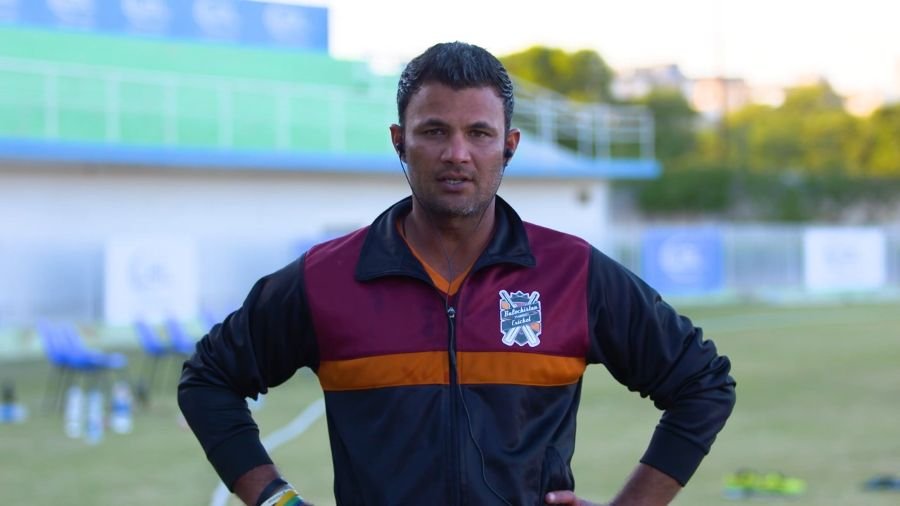
Imran Farhat: The Resilient Journey of a Pakistani Cricketer Who Faced the World Stage with Grit
A detailed, fact-based profile of Imran Farhat’s life, career, achievements, struggles, and lasting impact on international cricket

Table of Contents
ToggleIntroduction
Imran Farhat is a name that resonates with cricket followers who closely watched Pakistan cricket during the early 2000s. As a Pakistani cricketer, he emerged during a highly competitive era when securing and retaining a spot in the national team required not only talent but exceptional consistency and mental strength. A left-handed opening batsman, Imran Farhat represented Pakistan across all three international formats and became known for his solid technique and disciplined approach at the crease.
While his career included moments of promise and achievement, it also reflected the challenges faced by many international cricketers who struggle with form, selection pressure, and team transitions. His journey is neither a fairy tale nor a failure story; rather, it is a realistic narrative of persistence, professional highs, and inevitable setbacks that shaped his legacy. This article presents a comprehensive, verified, and human-written account of Imran Farhat’s life and cricketing career, designed to be informative, search-friendly, and valuable for readers and researchers alike.
Quick Bio
| Attribute | Details |
|---|---|
| Full Name | Imran Farhat |
| Nickname | Romi |
| Date of Birth | 20 May 1982 |
| Age | 43 years (as of 2025) |
| Birthplace | Lahore, Punjab, Pakistan |
| Nationality | Pakistani |
| Profession | Former International Cricketer, Cricket Coach |
| Batting Style | Left-handed |
| Bowling Style | Leg-break |
| Height | 5 feet 7 inches (170 cm) |
| Religion | Islam |
Early Life and Background
Imran Farhat was born on 20 May 1982 in Lahore, a city deeply rooted in Pakistan’s cricketing culture. Growing up in an environment where cricket was more than just a sport, he developed an early interest in the game. His exposure to competitive cricket from a young age played a crucial role in shaping his technical foundations and discipline as a batsman.
He attended the Beaconhouse School System, where he balanced academics with a growing passion for cricket. His talent became evident early, and unlike many players who take years to break into senior-level cricket, Imran Farhat made his domestic debut at just 15 years of age. This early exposure to high-level competition accelerated his development but also placed significant expectations on his shoulders at a young age.
Family and Cricketing Influence
Cricket was not unfamiliar within Imran Farhat’s family. His brother, Humayun Farhat, also represented Pakistan at the international level, which further reinforced the sport’s presence in his life. Additionally, his father-in-law, Mohammad Ilyas, was a former Pakistan Test cricketer, placing Imran Farhat within a well-recognized cricketing lineage.
This family connection to professional cricket brought both advantages and pressures. While it provided guidance and understanding of the international cricket environment, it also meant constant comparisons and heightened expectations. Nevertheless, Imran Farhat carved his own path through performance rather than reputation alone.
Start of Professional Career
Imran Farhat’s professional career began in Pakistan’s domestic cricket circuit, where he represented multiple teams and consistently performed as an opening batsman. His left-handed stance and ability to play long innings caught the attention of selectors during a period when Pakistan was actively searching for stability at the top of the order.
His domestic performances earned him a call-up to the national team in 2001. Making an international debut at such a young age is both an honor and a challenge, and for Imran Farhat, it marked the beginning of a career defined by opportunity, pressure, and competition for places.
International Career Overview
Imran Farhat represented Pakistan in Tests, One Day Internationals, and Twenty20 Internationals between 2001 and 2013. His primary role was that of an opening batsman, a position that demands patience, technique, and the ability to face the most challenging bowlers with a new ball.
His international career featured periods of regular selection as well as intervals away from the national side. While he demonstrated the ability to perform at the highest level, inconsistency and intense competition within Pakistan’s batting lineup often disrupted his momentum. This uneven trajectory became one of the defining aspects of his career.
International Career Statistics
| Format | Matches | Runs | Average | 100s | 50s | Highest Score |
|---|---|---|---|---|---|---|
| Test | 40 | 2,400 | 32.00 | 3 | 14 | 128 |
| ODI | 58 | 1,719 | 30.69 | 1 | 13 | 107 |
| T20I | 7 | 76 | – | 0 | 0 | 19 |
Domestic Career and Consistency
Beyond international cricket, Imran Farhat enjoyed a long and productive domestic career. He represented teams such as Lahore sides, Habib Bank Limited, Balochistan, and Pakistan A. His domestic performances were marked by consistency, discipline, and adaptability across formats.
Accumulating more than 15,000 runs in first-class cricket, he proved his value as a reliable domestic performer. While international success fluctuated, his domestic record reflected a player who understood conditions, built innings patiently, and delivered for his teams over extended periods.
Transition to Coaching
After retiring from professional cricket in January 2021, Imran Farhat transitioned into coaching. He completed formal coaching qualifications and took on roles that allowed him to share his experience with emerging players. His appointment as batting coach for Bahawalpur Royals in the Pakistan Junior League marked his first major step into structured coaching.
In 2023, he expanded his international influence by joining the Afghanistan national cricket team as a batting coach. This role highlighted his growing reputation as a mentor capable of working across cultures and cricketing systems, contributing to player development beyond Pakistan.
Strengths, Limitations, and Public Perception
One of Imran Farhat’s greatest strengths was his technique against the new ball, particularly in Test cricket. His ability to occupy the crease and build partnerships made him valuable in challenging conditions. However, critics often pointed to inconsistency and limited match-winning performances as drawbacks that prevented him from cementing a permanent place in the national side.
Public perception of his career remains mixed but respectful. While he may not be remembered among Pakistan’s all-time greats, he is recognized as a committed Pakistani cricketer who served his country across formats and continued contributing to the sport after retirement.
Conclusion
Imran Farhat’s career reflects the reality of professional cricket, where talent alone does not guarantee longevity or uninterrupted success. His journey includes early promise, international exposure, domestic excellence, and a meaningful transition into coaching. As a Pakistani cricketer, he represented his country with professionalism and later chose to give back to the game by developing future talent.
His legacy lies not in records alone but in perseverance, adaptability, and continued involvement in cricket. Imran Farhat’s story offers valuable lessons about resilience, acceptance of challenges, and the importance of evolving within the sport.
Frequently Asked Questions (FAQ)
Who is Imran Farhat?
Imran Farhat is a former Pakistani cricketer who represented Pakistan in Tests, ODIs, and T20Is and later became a professional cricket coach.
What was Imran Farhat’s role in the team?
He was primarily a left-handed opening batsman known for his technique and patience.
How long did Imran Farhat play international cricket?
He played international cricket for Pakistan from 2001 to 2013.
Is Imran Farhat involved in cricket after retirement?
Yes, after retiring in 2021, he moved into coaching and has worked with domestic teams and international setups.
What is Imran Farhat’s legacy in Pakistani cricket?
He is remembered as a dedicated Pakistani cricketer who contributed across formats and later supported player development through coaching.