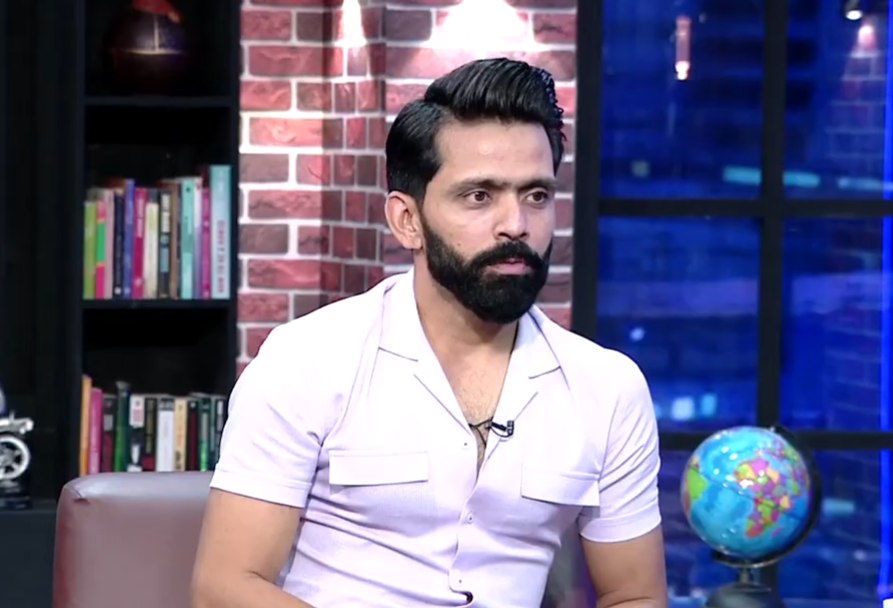
Fawad Alam: The Powerful Story of a Resilient Pakistani Cricketer Who Redefined Patience and Perseverance
An in-depth biography of Fawad Alam, highlighting struggle, success, setbacks, and legacy in Pakistan cricket

Table of Contents
ToggleIntroduction
Fawad Alam is one of the most compelling stories in modern Pakistan cricket. Known for his calm temperament, technical excellence, and unmatched patience, Fawad Alam represents both the brilliance and the frustration that often coexist in the careers of talented sportsmen. As a Pakistani cricketer, his journey is not just about runs and averages, but about resilience in the face of long exclusion from the national side.
Despite delivering extraordinary performances in domestic cricket, Fawad Alam experienced repeated setbacks at the international level. These challenges, however, did not break his spirit. Instead, they strengthened his resolve and ultimately shaped him into a symbol of perseverance for aspiring cricketers. His career is a reminder that talent alone does not define success—endurance and belief do.
Quick Bio
| Attribute | Details |
|---|---|
| Full Name | Fawad Tariq Alam |
| Known As | Fawad Alam |
| Date of Birth | 8 October 1985 |
| Age | 40 years (as of 2025) |
| Birthplace | Karachi, Sindh, Pakistan |
| Nationality | Pakistani |
| Profession | Professional Cricketer |
| Batting Style | Left-handed |
| Bowling Style | Slow left-arm orthodox |
| Role | Top-order batter |
| Height | Approximately 5 ft 8 in (1.74 m) |
| Religion | Islam |
Early Life and Background
Fawad Alam was born and raised in Karachi, one of Pakistan’s most competitive cricketing hubs. Growing up in an environment where cricket was more than just a sport played a crucial role in shaping his future. From an early age, he was exposed to high-level cricketing discussions, training routines, and match situations that refined his understanding of the game.
His family background had a strong influence on his cricketing development. Being surrounded by former first-class cricketers gave him access to guidance and mentorship that many young players lack. This foundation helped him build solid fundamentals and a disciplined approach to batting, qualities that would later define his career.
Family and Cricketing Roots
Fawad Alam comes from a family deeply rooted in cricket. His father, Tariq Alam, was a former first-class cricketer, while his uncles also represented teams at the domestic level. This strong cricketing lineage created both opportunity and pressure, as expectations were naturally high.
While this background opened doors, it also brought challenges. Comparisons and scrutiny followed him from an early age. However, Fawad Alam used this environment to his advantage, learning the mental toughness required to survive in competitive cricket and to remain focused despite external pressures.
Start of Professional Career
Fawad Alam began his professional cricket journey at the age of 17 when he made his first-class debut in 2003. From the outset, he displayed maturity beyond his years, scoring runs with composure and technical discipline. His ability to bat for long periods quickly made him stand out in domestic cricket.
As a Pakistani cricketer, his early domestic performances signaled the arrival of a dependable top-order batsman. Season after season, he continued to score heavily, building a reputation as one of the most consistent performers in Pakistan’s domestic circuit. These performances laid the foundation for his international call-up.
Domestic Cricket Excellence
Fawad Alam’s domestic career is widely regarded as exceptional. He consistently delivered runs across multiple seasons, often under pressure and against quality bowling attacks. His technique, especially against spin, allowed him to dominate in conditions where others struggled.
Despite this success, the domestic circuit also highlighted a recurring frustration in his career. Even after outstanding performances, his progression to the international level was inconsistent. This contrast between domestic dominance and international uncertainty became a defining theme of his journey.
International Career Overview
Fawad Alam made his international debut in 2007, representing Pakistan in limited-overs cricket before eventually earning a Test cap in 2009. His Test debut was nothing short of remarkable, as he scored a memorable century that immediately announced his potential on the biggest stage.
However, this promising start was followed by a prolonged absence from the Test team. Despite continuing to excel domestically, he remained on the sidelines for over a decade. This period stands as one of the most challenging phases of his career, highlighting both the positive strength of his patience and the negative reality of missed opportunities.
International Career Statistics
| Format | Matches | Runs | Batting Average | Centuries | Half-Centuries | Highest Score |
|---|---|---|---|---|---|---|
| Test | 19 | 1,011 | 38.88 | 5 | 2 | 168 |
| ODI | 38 | 966 | 40.25 | 1 | 6 | 114* |
| T20I | 24 | 194 | — | — | — | 28 |
These statistics reflect a career of quality rather than quantity. While the number of matches is limited, his averages demonstrate reliability and effectiveness at the international level.
Playing Style and Strengths
Fawad Alam is known for his technically sound batting style. As a left-handed top-order batter, he values patience, shot selection, and time spent at the crease. His ability to build innings methodically makes him especially effective in longer formats of the game.
On the positive side, his temperament and consistency are his greatest strengths. On the negative side, critics have occasionally questioned his scoring rate in faster formats. Nevertheless, his style remains well-suited to Test cricket, where endurance and mental strength are paramount.
Challenges, Setbacks, and Comeback
One of the most defining aspects of Fawad Alam’s career is his long absence from Test cricket despite strong performances. Being overlooked repeatedly tested his mental resilience and commitment to the sport. Many players would have faded away during such a period, but Fawad persisted.
His eventual return to the Test side in 2020 was a moment of validation. It demonstrated that persistence can overcome prolonged disappointment. While the gap in his career remains a negative chapter, the comeback stands as a powerful positive lesson for future generations.
Legacy and Impact
Fawad Alam’s legacy extends beyond statistics. He is remembered as a Pakistani cricketer who never stopped believing in his ability, even when circumstances were unfavorable. His story resonates with domestic players who struggle for recognition despite consistent performances.
He represents the value of patience, discipline, and self-belief. In a cricketing culture often driven by instant results, Fawad Alam’s journey highlights the importance of long-term commitment and resilience.
Conclusion
Fawad Alam’s career is a powerful blend of success, struggle, disappointment, and redemption. As a Pakistani cricketer, he achieved what many aspire to, yet his path was far from smooth. His story proves that setbacks do not define a player—response to those setbacks does.
While his international career may not reflect the full extent of his domestic brilliance, his influence on Pakistan cricket remains significant. Fawad Alam will always be remembered as a symbol of perseverance, a player who stood firm when circumstances were against him.
Frequently Asked Questions (FAQ)
Who is Fawad Alam?
Fawad Alam is a Pakistani cricketer known for his consistent domestic performances and resilient international career.
When was Fawad Alam born?
He was born on 8 October 1985 in Karachi, Pakistan.
What is Fawad Alam’s role in cricket?
He is a left-handed top-order batter and an occasional slow left-arm orthodox bowler.
Why is Fawad Alam’s career considered unique?
His career is notable for a long gap between Test appearances despite exceptional domestic performances.
What is Fawad Alam’s legacy?
He is remembered for perseverance, patience, and consistency, making him an inspiration for aspiring cricketers.