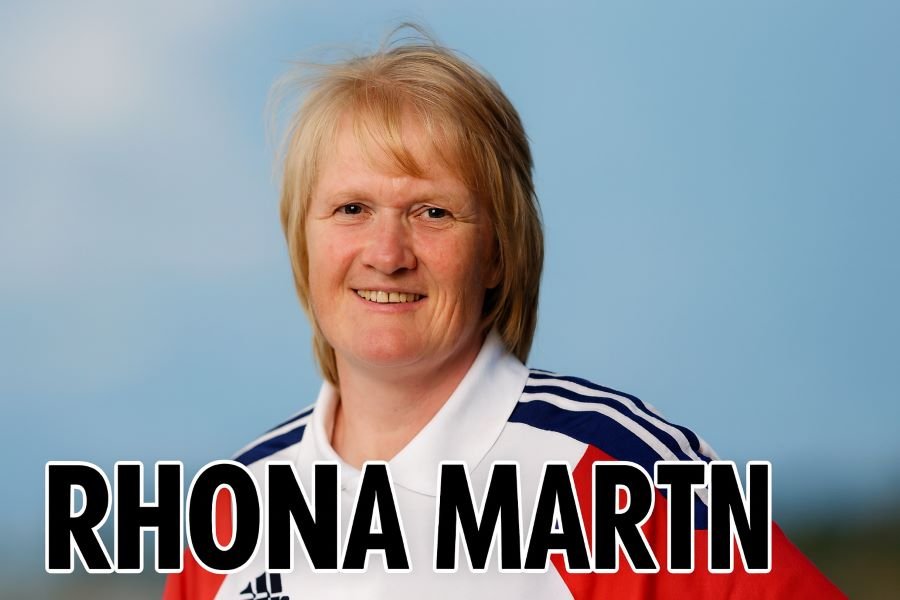
Rhona Martin: The Fearless British Curler Who Changed Olympic History
From Small-Town Beginnings to a Golden Moment That Redefined British Winter Sports

Table of Contents
ToggleIntroduction
Rhona Martin is one of the most respected names in the world of winter sports and a true icon of British curling. Her unforgettable Olympic performance in 2002 turned her into a national hero and reshaped the future of curling in Great Britain. She is admired not only for her historic gold medal but also for her resilience, leadership, and long-term contribution to sport.
Success did not come easily to Rhona Martin. Her journey was filled with years of struggle, injuries, pressure, and moments of uncertainty. Yet, her determination kept pushing her forward. Today, she is remembered as a fearless British curler who turned adversity into glory and left a permanent mark on Olympic history.
Quick Bio
| Attribute | Details |
|---|---|
| Real Name | Rhona Howie |
| Known As | Rhona Martin |
| Date of Birth | 12 October 1966 |
| Age | 58 years |
| Birthplace | Dunlop, East Ayrshire, Scotland |
| Nationality | British (Scottish) |
| Profession | Former Olympic Curler, Coach, Commentator, Sports Manager |
| Height | Approx. 167 cm |
| Weight | Approx. 71 kg |
| Parents | Drew Howie (Father), Una Howie (Mother) |
| Spouse | Keith Martin |
| Children | One Daughter, One Son |
| Major Achievement | Olympic Gold Medal – 2002 |
| Honour | Member of the Order of the British Empire (MBE) |
Early Life and Background
Rhona Martin was born on 12 October 1966 in the small village of Dunlop in East Ayrshire, Scotland. Raised in a close-knit community, she grew up in simple surroundings far removed from international sports fame. Her childhood was shaped by strong family values and steady encouragement from her parents, Drew and Una Howie.
She began curling at the age of sixteen when she joined the Greenacres Curling Club. What started as a local sport soon turned into a serious passion. Unlike many athletes who show immediate success, Rhona faced many years of learning and hardship before gaining international recognition. This early patience became the foundation of her later success.
Start of Career and Early Struggles
Rhona Martin made her first international appearance by representing Scotland at the World Junior Curling Championships in 1987. Though talented, her progress at senior level was slow. Throughout the 1990s, she remained competitive but did not achieve major national titles for many years.
This long phase tested her confidence. While others advanced, she faced repeated setbacks. However, instead of quitting, she refined her strategy, leadership, and technical skills. This difficult phase shaped her into a mentally strong athlete and prepared her for future victories.
Breakthrough in Professional Curling
Her breakthrough finally arrived in 1998 when she led the Scottish team to a silver medal at the European Curling Championships. This achievement transformed her reputation and brought her to the attention of the international curling community.
In 2000, she won the Scottish Women’s Curling Championship, earning the honour of representing Scotland at the World Curling Championships. There, her team finished fourth in the world, a powerful performance that confirmed her arrival among the elite curlers of her era.
Rhona Martin at the 2002 Winter Olympics
The defining moment of Rhona Martin’s career came at the 2002 Winter Olympics in Salt Lake City. Selected to represent Great Britain, she entered the tournament under extreme pressure. In the months leading up to the Games, she recovered from serious knee surgery and illness, which nearly kept her out of competition.
Despite a difficult start in the tournament, her team fought back with determination. They qualified for the knockout stage through dramatic playoff matches. In the final against Switzerland, Rhona Martin delivered one of the most famous shots in Olympic curling history. Her final stone slid perfectly into the center, securing Great Britain’s first Winter Olympic gold medal since 1984.
This legendary shot became known as the “Stone of Destiny.” Overnight, Rhona Martin became a national icon. Her victory brought curling into the British sporting spotlight and inspired a new generation of athletes.
National Honour and Public Recognition
Following her Olympic triumph, Rhona Martin was awarded the Member of the Order of the British Empire (MBE) for her services to curling. This honour recognized not only her sporting excellence but also her impact on British sport as a whole.
Media attention was intense. While the glory was positive, the pressure was immense. Fame brought opportunities as well as challenges. Handling sudden public attention was not always easy, but she carried herself with grace and professionalism.
2006 Winter Olympics and Competitive Retirement
Rhona Martin returned to Olympic competition at the 2006 Winter Olympics in Turin as the leader of the British women’s curling team. Expectations were again high, but this time the results were disappointing. The team was eliminated during the round-robin stage and did not reach the medal rounds.
Soon after the Turin Games, she retired from competitive international curling. While her playing career ended, her involvement in sport was far from over. She chose to serve curling in a different and equally meaningful role.
Coaching, Commentary, and Sports Management
After retirement, Rhona Martin dedicated herself to developing future athletes. She became a national-level curling coach and worked in performance development roles. Her experience as an Olympic champion gave her unique authority and insight into elite sport.
She later expanded into sports commentary, sharing her expert analysis during major tournaments. Her voice became familiar to curling fans across Britain. In addition, she worked as a high-performance manager in sports administration, using her leadership to guide athletes beyond curling.
Personal Life and Character
Rhona Martin is married to Keith Martin and is a mother of two children. Despite global recognition, she has remained grounded and family-oriented. Her story includes both triumph and difficulty, showing the high and low sides of professional sport.
Positively, she achieved historic Olympic success and national honour. On the challenging side, her career involved injury, pressure, and financial uncertainty after early fame. These contrasting experiences shaped her into a humble, resilient, and respected figure.
Impact and Influence on British Curling
Rhona Martin’s Olympic gold dramatically changed the future of curling in Great Britain. Public interest in the sport increased sharply after 2002. Young athletes across Scotland and England began to take curling seriously as a professional sport.
Many later British curlers have acknowledged the influence of Rhona Martin’s success. She proved that small-nation athletes could compete and win at the highest level. Her legacy continues through coaching programs and elite sports development.
Conclusion
Rhona Martin’s life is a powerful story of patience, courage, and triumph against the odds. From a small village in Scotland to the peak of Olympic glory, her journey represents the true spirit of sport. She is not only remembered for the famous “Stone of Destiny” but also for her enduring contribution as a coach, mentor, and leader.
As a British curler who carried the nation to historic gold, Rhona Martin remains a symbol of resilience and belief. Her legacy continues to inspire athletes who dream of turning struggle into success.
Frequently Asked Questions (FAQ)
Q1: Who is Rhona Martin?
Rhona Martin is a former British Olympic curler who won the gold medal at the 2002 Winter Olympics.
Q2: What is Rhona Martin famous for?
She is famous for delivering the winning final shot in the 2002 Olympic curling final, known as the “Stone of Destiny.”
Q3: Is Rhona Martin still involved in sports?
Yes, she works as a coach, commentator, and high-performance sports manager.
Q4: Did Rhona Martin win more than one Olympic medal?
She won one Olympic gold medal in 2002 and competed again in 2006.
Q5: Why is Rhona Martin important in British sports history?
Her Olympic gold ended an 18-year Winter Olympic gold drought for Great Britain and transformed the popularity of curling nationwide.