Clive Oppenheimer: The Brilliant British Volcanologist and Professor Exploring Earth’s Most Dangerous Forces
A powerful scientific journey into volcano research, discovery, and global impact

Table of Contents
ToggleIntroduction
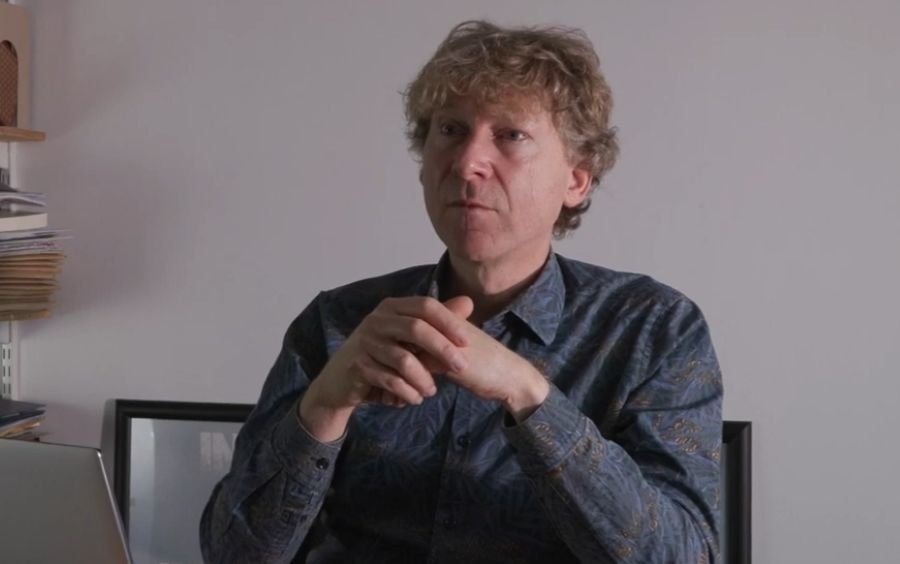
Clive Oppenheimer is widely recognized as one of the most influential scientists studying volcanoes and their impact on the planet. As a British volcanologist and professor, he has spent decades researching volcanic eruptions, volcanic gases, and the relationship between volcanoes, climate, and human history. His work combines rigorous scientific investigation with public communication, allowing complex geological phenomena to become understandable to both scientists and the general public.
Throughout his career, Oppenheimer has conducted fieldwork in some of the most extreme environments on Earth. From Antarctica’s Mount Erebus to volcanoes across Asia, Europe, and the Americas, he has helped expand humanity’s understanding of how volcanic systems operate. His dedication to research and education has made him a respected figure in both academia and science communication.
Quick Bio
| Field | Information |
|---|---|
| Full Name | Clive M. Oppenheimer |
| Date of Birth | 28 May 1964 |
| Age | 61 years (as of 2026) |
| Nationality | British |
| Profession | Volcanologist, Author, Filmmaker, Professor |
| Known For | Volcano research, volcanic gases, climate impacts |
| University | University of Cambridge |
| Education | BA Natural Sciences (Cambridge), PhD Volcanology (Open University) |
| Major Works | Eruptions That Shook the World, Volcanoes, Mountains of Fire |
| Field Research | Antarctica, Chile, Indonesia, Ethiopia, North Korea |
Early Life and Education
Academic Foundations in Natural Sciences
Clive Oppenheimer developed a strong interest in Earth science during his academic years. He studied Natural Sciences at the University of Cambridge, one of the world’s most prestigious universities. This program allowed him to explore multiple scientific disciplines, eventually focusing on geology and volcanology.
His education laid the foundation for his future career as a British volcanologist and professor. The scientific training he received at Cambridge equipped him with analytical skills and a deep understanding of geological systems. These early academic experiences shaped his curiosity about how volcanoes influence the environment and human civilization.
Doctoral Research and Scientific Specialization
After completing his undergraduate degree, Oppenheimer pursued a PhD in volcanology at The Open University. His doctoral research focused on the use of remote sensing technologies to study volcanic activity. This research area was innovative at the time and helped improve the monitoring of volcanoes worldwide.
The study of volcanic gases and remote sensing became a defining theme in his career. By combining field observations with modern technology, he contributed to new methods for analyzing volcanic emissions and eruption patterns.
Career as a British Volcanologist and Professor
Joining the University of Cambridge
Clive Oppenheimer joined the University of Cambridge as a faculty member in 1994. Over time, he rose through the academic ranks and became a Professor of Volcanology in the university’s Department of Geography.
As a professor, he has played a crucial role in teaching and mentoring students interested in Earth sciences. His lectures and research projects help train the next generation of geologists and volcanologists. This role demonstrates both the positive influence of his work and the demanding responsibilities that come with academic leadership.
Scientific Research and Global Expeditions
A defining feature of Oppenheimer’s career is his extensive fieldwork. He has studied volcanoes in some of the most remote and dangerous locations on Earth. His research has included long-term observations of Mount Erebus in Antarctica, one of the few volcanoes on the planet with a persistent lava lake.
These expeditions require careful planning and physical endurance. The harsh conditions of volcanic environments present both exciting discoveries and significant risks. Nevertheless, Oppenheimer’s dedication to field research has allowed him to gather valuable data about volcanic gases, eruptions, and atmospheric interactions.
Major Research Contributions
Understanding Volcanic Gases
One of Oppenheimer’s most important scientific contributions is his research on volcanic gases and atmospheric chemistry. Volcanoes release large quantities of gases such as sulfur dioxide and carbon dioxide into the atmosphere.
His studies have helped scientists better understand how these gases influence climate and air quality. This research is particularly important because volcanic emissions can affect global temperatures and environmental systems.
Volcanoes and Climate Connections
Oppenheimer has also investigated how historic volcanic eruptions have influenced climate patterns. Large eruptions can inject ash and aerosols into the atmosphere, sometimes leading to temporary cooling of the planet.
By examining geological records and historical accounts, he has helped scientists connect volcanic activity with major environmental changes. This work highlights the powerful and sometimes destructive role volcanoes play in shaping Earth’s climate.
Books and Scientific Publications
Influential Books
Clive Oppenheimer is also known as a science writer. His books present complex volcanic science in a way that is accessible to readers who may not have a scientific background.
Some of his most notable books include “Eruptions That Shook the World,” “Volcanoes,” and “Mountains of Fire: The Secret Lives of Volcanoes.” These works explore the science behind eruptions while also discussing their cultural and historical significance.
Contribution to Scientific Literature
Beyond books for general readers, Oppenheimer has published numerous scientific papers and academic studies. His research papers are frequently cited by other scientists studying volcanoes and atmospheric processes.
This combination of academic research and public writing strengthens his reputation as both a scientist and communicator. It also helps bridge the gap between scientific knowledge and public understanding.
Film and Media Collaboration
Working with Documentary Filmmakers
Clive Oppenheimer has collaborated with renowned filmmaker Werner Herzog on several documentary projects about volcanoes and natural phenomena. These films explore both the scientific and cultural aspects of volcanic landscapes.
The documentaries combine stunning visuals with thoughtful scientific insights. Through these collaborations, Oppenheimer has helped bring volcanology to a wider global audience.
Science Communication Through Media
His participation in documentaries and public lectures demonstrates the growing importance of science communication. Volcanoes can be both fascinating and terrifying, and explaining their behavior helps people understand potential risks.
By appearing in films and educational programs, Oppenheimer has helped transform complex geological topics into compelling stories.
Influence on Modern Volcanology
Advancing Volcano Monitoring
Modern volcanology relies heavily on monitoring systems that detect gas emissions, seismic activity, and thermal changes. Oppenheimer’s research has contributed to improving these monitoring techniques.
Better monitoring allows scientists to study eruptions more accurately and helps authorities understand volcanic hazards. This work has positive implications for disaster preparedness and scientific progress.
Inspiring Future Scientists
As a British volcanologist and professor, Oppenheimer continues to inspire students and researchers around the world. His work demonstrates that scientific exploration can reveal both the beauty and the danger of Earth’s natural systems.
His dedication to teaching ensures that future generations will continue advancing the field of volcanology.
Conclusion
Clive Oppenheimer stands as a leading figure in the study of volcanoes and their global impact. His career reflects a powerful combination of scientific curiosity, academic dedication, and public engagement. Through research, teaching, writing, and filmmaking, he has expanded our understanding of volcanic processes and their influence on the planet.
While volcanoes represent some of the most destructive forces in nature, they also provide valuable insights into Earth’s geological history. Oppenheimer’s work highlights both the positive contributions of scientific discovery and the serious challenges posed by natural hazards. His legacy as a British volcanologist and professor continues to shape modern volcanology and inspire new exploration of Earth’s dynamic systems.
FAQ
Who is Clive Oppenheimer?
Clive Oppenheimer is a British volcanologist and professor at the University of Cambridge known for his research on volcanic gases, eruptions, and climate impacts.
What is Clive Oppenheimer famous for?
He is famous for studying volcanic activity worldwide, writing influential books on volcanoes, and appearing in scientific documentaries.
Where does Clive Oppenheimer work?
He works at the University of Cambridge as a Professor of Volcanology in the Department of Geography.
What books has Clive Oppenheimer written?
Some of his well-known books include Eruptions That Shook the World, Volcanoes, and Mountains of Fire: The Secret Lives of Volcanoes.
Why is Clive Oppenheimer important to science?
His research on volcanic gases, climate effects, and eruption history has helped scientists better understand volcano behavior and environmental impacts.