Camilla Cavendish: A Powerful Voice in British Public Life
Journalism, Policy, and the Influence of a Member of the House of Lords of the United Kingdom

Table of Contents
ToggleIntroduction
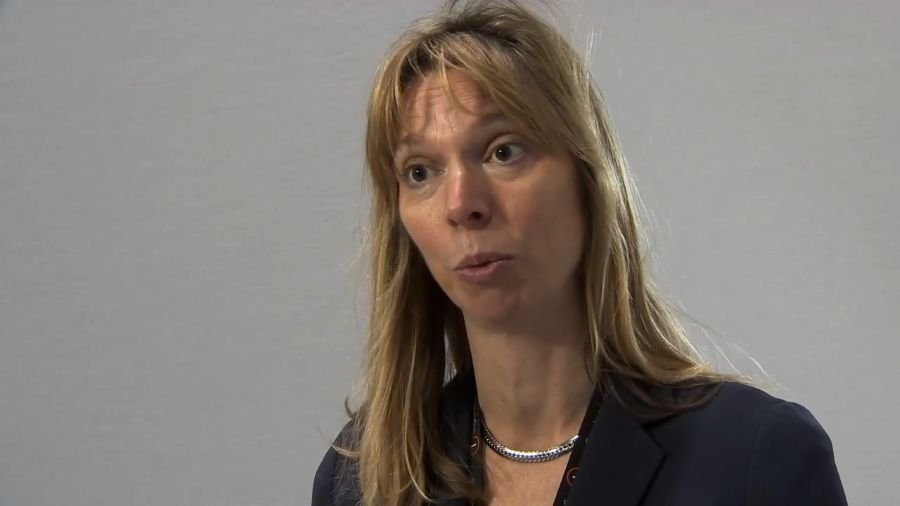
Camilla Cavendish is widely recognised as one of the most influential thinkers in modern British public life. Known for her sharp intellect, principled journalism, and commitment to social reform, she has built a career that bridges media, government, and policy. Her journey reflects both positive impact and critical scrutiny, showing how influence can invite both admiration and debate.
As a journalist, policy adviser, author, and Member of the House of Lords of the United Kingdom, Camilla Cavendish has consistently shaped conversations around health, social care, and governance. Her work stands as a powerful example of how ideas, when pursued with discipline and courage, can move from opinion columns into the heart of national decision-making.
Quick Bio
| Detail | Information |
|---|---|
| Full Name | Hilary Camilla Cavendish |
| Known As | Camilla Cavendish |
| Date of Birth | 20 August 1968 |
| Nationality | British |
| Profession | Journalist, Author, Policy Adviser |
| Title | Baroness Cavendish of Little Venice |
| Education | Oxford University (PPE), Harvard University (MPA) |
| Spouse | Huw van Steenis |
| Children | Three |
| Known For | Journalism, public policy, House of Lords |
| Current Role | Life Peer, House of Lords |
Early Life and Intellectual Foundations
Camilla Cavendish was born in England in 1968 and grew up in an intellectually rich environment. Her early life was shaped by academic influence, particularly through her father, historian Richard Cavendish. This exposure to ideas, history, and critical thinking played a significant role in forming her analytical approach.
From a young age, she demonstrated a strong interest in social issues and public debate. Rather than pursuing a narrow professional path, she developed a broad intellectual curiosity that later defined her work in journalism and policy.
Education and Academic Excellence
Education played a central role in Camilla Cavendish’s development. She attended Putney High School before studying Philosophy, Politics and Economics at Brasenose College, Oxford. Graduating with first-class honours in 1989, she distinguished herself as a serious academic with a deep understanding of political systems.
Her academic journey continued at Harvard University’s John F. Kennedy School of Government, where she earned a Master of Public Administration as a Kennedy Scholar. This combination of British and American education strengthened her global perspective on governance and public policy.
Start of a Journalism Career
Camilla Cavendish began her professional life in journalism, where she quickly gained a reputation for thoughtful and courageous reporting. She focused on complex social issues rather than sensational headlines, choosing depth over popularity.
Her early work demonstrated a commitment to accountability and transparency. This approach earned respect but also criticism, as her investigations often challenged established systems. The balance between praise and opposition became a defining feature of her public career.
Rise as a Leading Journalist
As her career progressed, Camilla Cavendish became a prominent voice in British journalism. She served as a contributing editor and columnist for the Financial Times, where her writing explored public policy, health systems, and social care.
Her journalism was widely recognised for its impact. Award-winning campaigns helped influence reforms, particularly in areas related to justice and public accountability. While many praised her for driving positive change, others viewed her work as challenging entrenched institutions, highlighting the tension inherent in impactful journalism.
Transition into Government and Policy
Camilla Cavendish’s move from journalism into government marked a significant shift in her career. In 2015, she was appointed Director of the No.10 Policy Unit under Prime Minister David Cameron. This role placed her at the centre of UK policymaking during a critical period.
Her work focused on health and social care, applying analytical rigour to complex national challenges. Supporters viewed her as a reformer bringing fresh insight into government, while critics questioned the transition from journalist to policymaker. This duality underscores the complexity of influence in public life.
Camilla Cavendish in the House of Lords
In 2016, Camilla Cavendish was appointed a life peer, taking the title Baroness Cavendish of Little Venice. As a Member of the House of Lords of the United Kingdom, she has contributed to debates on health, ageing, and public services.
Her role in the Lords reflects continuity in her career rather than a departure. She continues to examine policy with independence and evidence-based reasoning, offering insights shaped by both journalism and governance experience.
Authorship and Thought Leadership
Camilla Cavendish is also an accomplished author. Her book Extra Time: Ten Lessons for an Ageing World explores demographic change and its implications for society and policy. The work highlights both challenges and opportunities associated with ageing populations.
Through writing and public speaking, she has established herself as a global thought leader on longevity and social systems. Her ideas are widely discussed, influencing policymakers, academics, and practitioners.
Public Influence and Ongoing Work
Beyond formal roles, Camilla Cavendish continues to shape public debate through advisory positions and academic engagement. She remains active in discussions around healthcare reform and social resilience.
Her influence is both positive and contested. Admirers see a principled thinker committed to reform, while critics argue that her ideas provoke uncomfortable change. This contrast reflects the reality of impactful leadership.
Legacy and Long-Term Impact
Camilla Cavendish’s legacy lies in her ability to move ideas across boundaries. From journalism to government to the House of Lords, she has consistently engaged with the most pressing issues of public life.
Her career demonstrates that influence is rarely simple. It involves progress and resistance, praise and criticism. Yet her sustained commitment to evidence, ethics, and reform secures her place as a significant figure in contemporary British history.
Conclusion
Camilla Cavendish represents a powerful blend of intellect, independence, and public service. Her journey from journalist to Member of the House of Lords of the United Kingdom illustrates how ideas can evolve into action. While her career includes both support and controversy, her impact on public policy and debate is undeniable.
Frequently Asked Questions (FAQ)
Who is Camilla Cavendish?
Camilla Cavendish is a British journalist, author, policy adviser, and life peer in the House of Lords.
What is Camilla Cavendish known for?
She is known for influential journalism, public policy leadership, and her role as a Member of the House of Lords of the United Kingdom.
What is her educational background?
She studied PPE at Oxford University and earned an MPA from Harvard University.
Is Camilla Cavendish an author?
Yes, she wrote Extra Time: Ten Lessons for an Ageing World.
What is her role in the House of Lords?
She contributes to debates on health, social care, and public policy as an independent life peer.