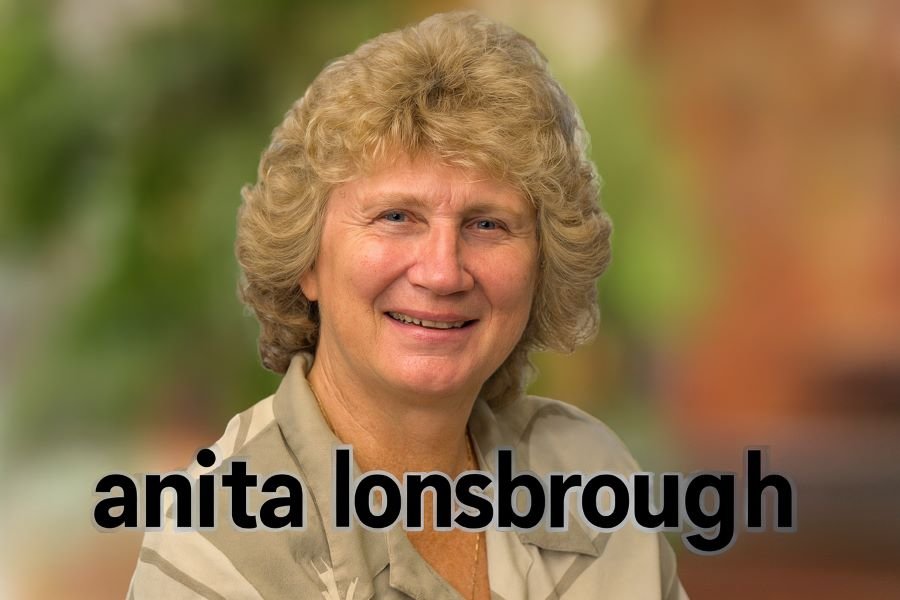
Anita Lonsbrough: A Powerful Story of Olympic Gold, Grit, and Glory
English Former Swimmer Who Broke Records, Made History, and Faced the Pressure of Greatness

Table of Contents
ToggleIntroduction
Anita Lonsbrough is remembered as one of Britain’s most important swimming champions: an Olympic gold medalist, a world-record breaker, and a trailblazer for women’s sport. She delivered moments of pure pride for fans at a time when elite women athletes received far less attention and support than they do today.
Her story is inspiring, but it is not a fairytale. Behind the medals were early mornings, endless repetition, and the heavy expectation that comes with being “the one who must win.” That mix of joy and strain is exactly what makes the Anita Lonsbrough biography worth reading today.
Quick Bio
| Quick Bio | Details |
|---|---|
| Full name | Anita Lonsbrough |
| Also known as | Anita Porter; Anita Lonsbrough-Porter |
| Date of birth | 10 August 1941 |
| Age | 84 (as of 2 December 2025) |
| Birthplace | York, England |
| Nationality | British |
| Profession | English former swimmer; later swimming teacher, commentator, journalist |
| Best known for | Olympic gold (200m breaststroke), Rome 1960 (world record) |
| Honour | MBE (1963) |
| Spouse | Hugh Porter (married 17 June 1965) |
| Parents | Stanley Lonsbrough (father), Maud Lonsbrough (mother) |
Early Life: From Childhood Lessons to Competitive Focus
Anita Lonsbrough was born in York, England, and her earliest relationship with water began in an unusual place for a future British champion. As a child, she learned to swim in India while her father served there with the Coldstream Guards. Those early lessons helped shape her comfort in the pool long before fame arrived.
When she later built her life back in Yorkshire, swimming became more than a pastime. It became a pathway, and then a mission. The discipline of training, the structure of goals, and the steady climb through competition laid down the foundation for what would become a historic sporting career.
Education and Personal Foundations
A key part of the Anita Lonsbrough story is that she developed as an athlete while keeping a “real life” routine around her. She was educated at St Joseph’s Catholic College in Bradford, which reflects the grounded background common to many athletes of her era—strong local roots, daily responsibilities, and limited luxury.
Outside the pool, she worked as a clerk at Huddersfield Town Hall, showing that her life was not built only on sport. That balance can be admired, but it also underlines a harder truth: many athletes, especially women at the time, had to push toward excellence without the financial structures modern champions often rely on.
Start of Career: Rising in Breaststroke and Medley
Lonsbrough emerged as a top-level competitor in the late 1950s, becoming strongly associated with breaststroke and later excelling in the individual medley as well. She wasn’t simply “a talented swimmer”; she was a specialist who could also adapt, and that combination made her dangerous in multiple events.
By 1958, she was already collecting major results at the Commonwealth level, and her profile rose quickly. Success at that stage is thrilling, yet it also brings pressure—because early brilliance can turn into a constant demand to repeat the performance, again and again, under unforgiving scrutiny.
Olympic Triumph: Rome 1960 and a World Record Moment
The peak competitive highlight in the Anita Lonsbrough biography is clear: the 1960 Rome Olympics. In the women’s 200m breaststroke, she won the gold medal in world-record time, producing one of Britain’s most celebrated Olympic swimming victories. It was the kind of performance that does not just win a race—it defines a career.
But Olympic greatness is never only about a single swim. It is the sum of training cycles, nerves, and the ability to deliver under the biggest spotlight imaginable. Winning in Rome brought international recognition, yet it also created a new reality: once you are Olympic champion, your name becomes a benchmark for everyone chasing you.
Commonwealth Dominance and National Recognition
Lonsbrough’s strength extended beyond the Olympics. At the 1962 Commonwealth Games in Perth, she won multiple gold medals, including breaststroke events and the individual medley. That range across distances and styles helped cement her as a complete competitor rather than a one-event wonder.
In 1962 she also became the first woman to win BBC Sports Personality of the Year (then titled Sportsview Personality of the Year). That mattered culturally as much as it did personally. It signaled that elite women athletes could command national attention—though it also meant her victories had to represent more than herself, carrying symbolic weight for women’s sport.
Tokyo 1964: Leadership, Finals, and the Closing of an Era
By the time the Tokyo Olympics arrived in 1964, Anita Lonsbrough was not only a medal contender but also a recognised leader. She served as Great Britain’s first female Olympic opening ceremony flag bearer, a milestone that reflected the respect she had earned inside sport.
In the pool, she reached the final of the 400m individual medley and finished seventh. Some would call that a step down compared to Olympic gold, but it can also be read as evidence of longevity at the top in a demanding era. After this period, she stepped away from elite competition, closing a defining chapter of British swimming history.
Life After Elite Swimming: Teaching, Broadcasting, and Journalism
Lonsbrough’s post-competition career shows how champions can continue shaping sport even after they stop racing. She became a swimming teacher and later worked as a BBC radio swimming commentator, staying close to the sport’s culture, athletes, and big moments.
She also became known for swimming journalism, including association with The Daily Telegraph as a correspondent under the name Anita Lonsbrough-Porter. This shift from athlete to communicator gave her a new platform. It also brought a different challenge: translating elite experience into clear analysis that audiences can trust and understand.
Marriage and Family Life in the Public Record
Anita Lonsbrough married Hugh Porter on 17 June 1965. Porter was a prominent cyclist and later a well-known commentator, and their partnership became one of Britain’s notable sporting couples.
Their story is often referenced in later-life interviews and local coverage, including reflections tied to their diamond wedding anniversary. The public record focuses on this key relationship and her parents, Stanley and Maud Lonsbrough, without turning her biography into gossip—keeping attention on achievements that were earned, not manufactured.
Legacy: Why Anita Lonsbrough Still Matters
Anita Lonsbrough’s legacy rests on more than medals. She proved that a British woman could win Olympic swimming gold and set world records, and she helped raise the visibility of women’s sport through national recognition and public leadership roles.
Her impact is also measured through what followed. For years, she was referenced as the last British woman to win Olympic swimming gold until Rebecca Adlington achieved the feat in 2008. That long gap made Lonsbrough’s Rome victory feel even more iconic, and it kept her name alive as a standard of excellence.
Conclusion
Anita Lonsbrough stands as an Olympic champion whose story blends triumph with the real demands of elite sport. She won world-record gold, carried national expectations, and later served the swimming world through teaching, commentary, and journalism.
If you want a biography that celebrates greatness without pretending it was easy, her life delivers exactly that. She remains a powerful example of what focused training, resilience, and character can produce—both inside the pool and long after the final race.
FAQ
What is Anita Lonsbrough famous for?
She is famous for winning Olympic gold in the 200m breaststroke at the 1960 Rome Olympics, setting a world record in the final, and later becoming the first female winner of BBC Sports Personality of the Year.
Is Anita Lonsbrough an English former swimmer?
Yes. Anita Lonsbrough is an English former swimmer who represented Great Britain and England and became one of the country’s most celebrated champions.
When and where was Anita Lonsbrough born?
She was born on 10 August 1941 in York, England.
Who did Anita Lonsbrough marry?
She married Hugh Porter on 17 June 1965.
What did she do after retiring from competition?
After elite competition, she worked as a swimming teacher, a BBC radio swimming commentator, and a swimming journalist, continuing to influence the sport beyond racing.