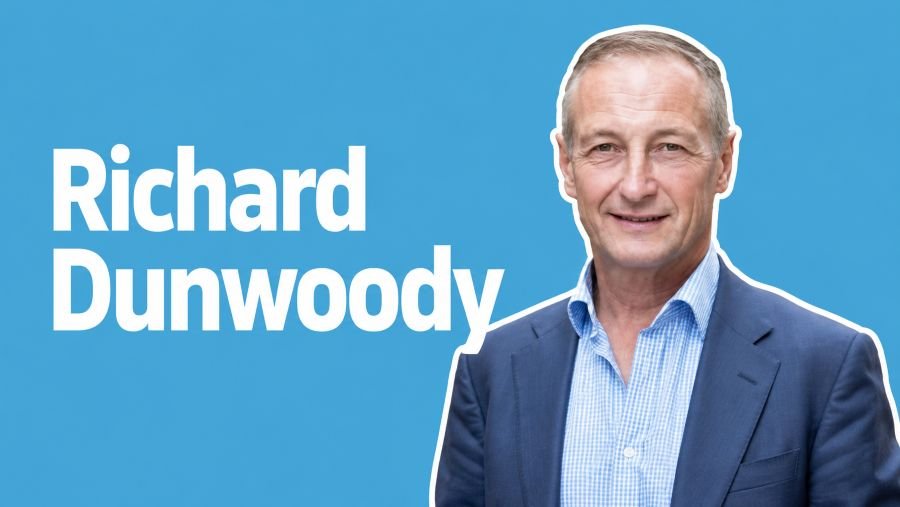
Richard Dunwoody: The Fearless Retired Jockey Who Turned Racing Glory Into a Life of Adventure
The powerful story of a champion National Hunt rider, his Grand National triumphs, career-ending injury, and inspiring second life beyond racing

Introduction
Richard Dunwoody is one of the most respected names in British and Irish jump racing. He became famous as a brave, intelligent, and highly competitive National Hunt rider who performed at the highest level during the 1980s and 1990s. His career was filled with major victories, including two Grand National wins, a Cheltenham Gold Cup success, a Champion Hurdle victory, and four King George VI Chase wins. These achievements made him one of the most complete jump jockeys of his generation.
The positive side of his story is full of glory, courage, and historic success. The negative side is that injury forced him to retire while he was still widely admired in the sport. However, Richard Dunwoody did not allow retirement to define him negatively. As a retired jockey, he built a new identity as an adventurer, photographer, author, racing pundit, charity fundraiser, and motivational speaker.
Quick Bio
| Field | Details |
|---|---|
| Full Name | Thomas Richard Dunwoody MBE |
| Known As | Richard Dunwoody |
| Date of Birth | 18 January 1964 |
| Age | 62 years old |
| Birthplace | Belfast, Northern Ireland |
| Profession | Retired jockey, photographer, author, speaker, racing pundit |
| Famous For | Winning the Grand National twice |
| Major Wins | Grand National, Cheltenham Gold Cup, Champion Hurdle, King George VI Chase |
| Career Wins | 1,874 worldwide |
| Champion Titles | Three-time Champion Jockey |
| Honour | MBE for services to horse racing |
| Retirement Year | 1999 |
Early Life and Family Background
Richard Dunwoody was born in Belfast, Northern Ireland. Horses were part of his early life because his family had links with racing and equestrian work. His father, George Dunwoody, was connected with horses, while his mother’s family also had racing connections through Epsom trainer Dick Thrale. This family background helped him understand the world of horses from a young age.
His childhood was shaped by movement, discipline, and exposure to riding. His family later moved to England, where his interest in racing became stronger. Growing up around horses gave him confidence in the saddle and helped him develop the balance, patience, and courage needed for jump racing. These early experiences formed the base of his future career as one of the finest National Hunt riders of his era.
Education and Early Training
Richard Dunwoody attended Rendcomb College in Cheltenham. His real professional education, however, came through racing yards and hands-on experience with horses. He learned the sport by riding out, observing trainers, understanding racehorses, and developing the physical toughness required in National Hunt racing.
He worked with respected racing figures early in his career, including Captain Tim Forster. This training period was important because jump racing is not only about speed. A jockey must understand timing, rhythm, risk, horse temperament, and race strategy. Richard Dunwoody developed these qualities through hard work and practical experience.
Career Start
Richard Dunwoody began his riding career in the early 1980s. His first ride came in 1982, and his first winner followed in 1983. That early success gave him confidence and opened the door to bigger opportunities. He quickly became known as a young jockey with courage and strong racing instincts.
His progress was fast because he combined natural talent with discipline. National Hunt racing is physically demanding and dangerous, but he showed the mental strength needed to face fences, pressure, and competition. As his number of winners increased, trainers and owners began to trust him with better horses and bigger races.
Breakthrough Moment
The breakthrough moment for Richard Dunwoody came in the 1986 Grand National when he won on West Tip. The Grand National is one of the toughest steeplechases in the world, and winning it brings instant recognition. For a young jockey, that victory was a major statement.
This win changed his public profile. He was no longer just a promising rider; he became a Grand National-winning jockey. The victory also showed his ability to handle pressure on the biggest stage. From that moment, Richard Dunwoody became a major figure in jump racing.
Complete Racing Career Overview
Richard Dunwoody built a remarkable career in National Hunt racing. He won the Grand National twice, first with West Tip in 1986 and later with Miinnehoma in 1994. These two victories alone would have secured his place in racing history, but his career included much more.
He also won the Cheltenham Gold Cup on Charter Party in 1988 and the Champion Hurdle on Kribensis in 1990. These victories completed racing’s famous “Big Three” of the Grand National, Cheltenham Gold Cup, and Champion Hurdle. Richard Dunwoody became the only jockey of his generation to achieve that rare combination.
Famous Horses
Richard Dunwoody is strongly connected with several famous horses. West Tip gave him his first Grand National victory, while Miinnehoma gave him his second. Charter Party brought him Cheltenham Gold Cup glory, and Kribensis gave him Champion Hurdle success.
He also had a special partnership with Desert Orchid, one of the most loved racehorses in British racing history. He rode Desert Orchid to major wins, including King George VI Chase victories. He later won the King George VI Chase with One Man as well. These horses helped shape his legacy, but his skill as a rider helped bring out their best performances.
Career Timeline
| Year | Career Event |
|---|---|
| 1964 | Born in Belfast, Northern Ireland |
| 1982 | Began race riding |
| 1983 | Rode his first winner |
| 1986 | Won the Grand National on West Tip |
| 1988 | Won the Cheltenham Gold Cup on Charter Party |
| 1990 | Won the Champion Hurdle on Kribensis |
| 1993 | Received MBE for services to horse racing |
| 1993–1995 | Became three-time Champion Jockey |
| 1994 | Won second Grand National on Miinnehoma |
| 1999 | Retired from race riding due to injury |
| 2003 | Took part in the Polar Race |
| 2008 | Completed South Pole expedition |
| 2009 | Appeared on Strictly Come Dancing |
| 2017 | Completed charity walk across Japan |
Career Stats and Records
Richard Dunwoody finished his riding career with 1,874 wins worldwide. This total made him one of the most successful jump jockeys in history. He was also a three-time Champion Jockey, proving that his success was consistent across several seasons.
His major race record includes two Grand National wins, one Cheltenham Gold Cup, one Champion Hurdle, and four King George VI Chase victories. These statistics show why Richard Dunwoody is remembered as a complete rider. He could win long-distance tests, championship races, and high-pressure seasonal contests.
Major Achievements and Awards
Richard Dunwoody received the MBE in 1993 for services to horse racing. This honour recognized his contribution to the sport and his status as one of its leading figures. His three Champion Jockey titles also showed his dominance during a highly competitive period.
His greatest sporting achievement remains his success across National Hunt racing’s biggest events. Winning one of those races is difficult; winning all three major races places him in a special category. His record stands as proof of bravery, judgment, and long-term excellence.
Retirement and Injury
The negative turning point in Richard Dunwoody’s career came in 1999 when injury forced him to retire. For any professional athlete, retirement due to injury is difficult because it removes choice. He had built his life around racing, and suddenly his riding career ended.
However, his response was powerful. Instead of remaining only a former sportsman, he created a meaningful second career. This is one reason his biography is inspiring. The injury closed one chapter, but it did not stop him from achieving new goals.
Life After Racing
After retirement, Richard Dunwoody became active in media, public speaking, writing, photography, and adventure. As a retired jockey, he had valuable experience to share about pressure, risk, discipline, and performance. These qualities made him a strong motivational speaker.
He also worked as a racing pundit and writer, using his deep knowledge of the sport to explain racing to audiences. His move into photography showed another side of his personality. It proved that his creativity and focus were not limited to the racecourse.
Adventure and Charity Work
Richard Dunwoody became known for extreme endurance challenges after racing. He took part in polar expeditions and completed major charity walks. These challenges required the same determination that once helped him succeed as a jockey.
His charity work is an important part of his public image. He used his fame to support meaningful causes and raise awareness. His long-distance challenges showed physical courage, mental strength, and a willingness to help others. This gave his post-racing life a positive and respected direction.
Books and Media Work
Richard Dunwoody has written autobiographical books about his life and career. His books help readers understand the mind of a top jockey and the challenges of life after racing. They also show his honesty about ambition, pressure, and reinvention.
He appeared on Strictly Come Dancing in 2009. This television appearance introduced him to a wider audience outside horse racing. It was very different from riding in the Grand National, but it showed his willingness to accept new challenges.
Public Image and Personality
Richard Dunwoody’s public image is built on courage, professionalism, endurance, and reinvention. During his racing career, he was known as a determined and highly skilled rider. After retirement, he became known as someone who could adapt and succeed in different fields.
His personality appears disciplined, focused, adventurous, and resilient. The positive lesson from his life is that success can continue after a major setback. The negative reality is that professional sport can end suddenly through injury. His story combines both truths in a human and inspiring way.
Legacy and Impact on Racing
Richard Dunwoody has a strong legacy in National Hunt racing. He competed in a demanding era and won the sport’s most prestigious races. His name is linked with legendary horses and unforgettable racing moments.
His impact goes beyond numbers. He showed what a top jockey needs: courage, intelligence, timing, and emotional control. As a retired jockey, he also showed that athletes can build meaningful lives after competition. His racing career remains a model of excellence, while his post-racing life remains a model of reinvention.
Conclusion
Richard Dunwoody is more than a former champion rider. He is a powerful example of success, setback, and renewal. His Grand National wins, championship titles, and major race victories made him one of the greatest National Hunt jockeys of his generation.
The injury that ended his career was a difficult and negative moment, but he turned it into a new beginning. Through adventure, charity work, photography, writing, media, and motivational speaking, Richard Dunwoody proved that true champions keep moving forward even after the race is over.
FAQs
Who is Richard Dunwoody?
He is a retired jockey, author, photographer, adventurer, and former three-time Champion Jockey.
When was he born?
He was born on 18 January 1964.
Where was he born?
He was born in Belfast, Northern Ireland.
What is he famous for?
He is famous for winning the Grand National twice and becoming one of the top jump jockeys of his generation.
What is his family background?
He came from a horse-connected family, and his father worked with horses.
Did he win the Grand National?
He won it twice, first on West Tip in 1986 and later on Miinnehoma in 1994.
Why did he retire?
He retired in 1999 because injury ended his professional riding career.
What does he do after retirement?
He works as a speaker, photographer, author, racing pundit, and charity adventurer.
Did he appear on television?
He appeared on Strictly Come Dancing in 2009.
What is his legacy?
He is remembered as a fearless champion rider and an inspiring retired jockey who built a strong second career.