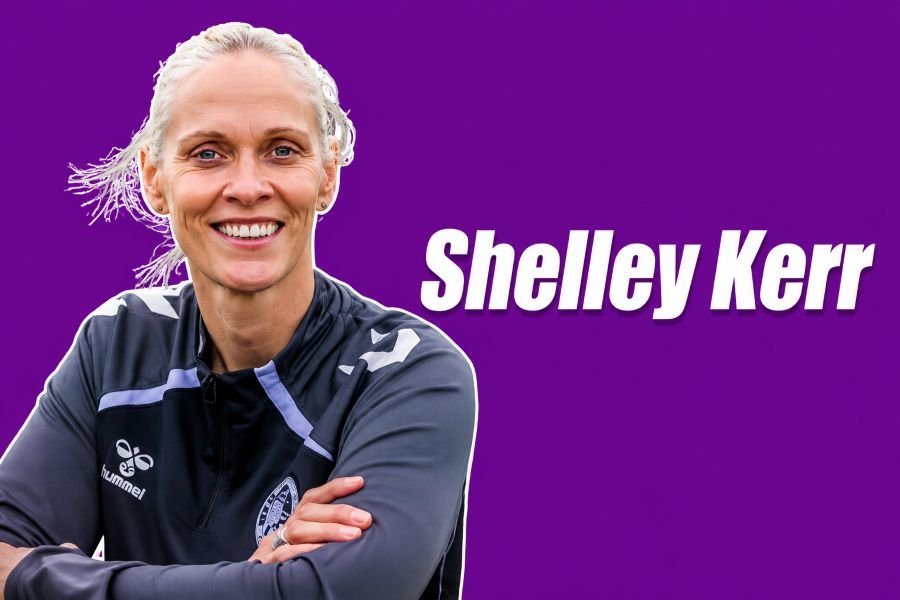
Shelley Kerr Inspires Scottish Football Excellence Globally
Trailblazing Scottish Association Football Manager Breaking Barriers

Introduction
Shelley Kerr stands as a powerful symbol of dedication, leadership, and pioneering achievement in football. Born in Broxburn, Scotland, she has consistently defied traditional boundaries in the male-dominated sport, shaping the future of Scottish association football. As a former international defender and a coach, Shelley Kerr’s journey highlights both remarkable triumphs and challenging setbacks, establishing her reputation as a trailblazer and mentor in the football world.
Her journey is not only inspiring to aspiring female coaches but also to young footballers across Scotland and beyond. She has shown that determination, tactical intelligence, and leadership can overcome barriers and achieve historic milestones, making her one of the most respected figures in modern football. Her professional story embodies resilience, strategic thinking, and a lasting influence on both men’s and women’s football.
Quick Bio
| Attribute | Details |
|---|---|
| Full Name | Michelle Kerr |
| Nickname | Shelley Kerr |
| Date of Birth | 15 October 1969 |
| Birth Place | Broxburn, Scotland |
| Nationality | Scottish |
| Profession | Football Player (Retired), Coach, Technical Development Manager |
| Position (Playing) | Centre Back |
| International Caps | 59 |
| International Goals | 3 |
| Current Role | Technical Development Manager, Heart of Midlothian FC |
| Notable Achievement | First woman to manage a senior men’s football team in the UK |
Early Life and Education
Shelley Kerr grew up in Broxburn, Scotland, where her passion for football was evident from a young age. Surrounded by a community that valued sports, she spent her childhood honing her skills on local pitches. Her natural leadership and tactical sense soon set her apart from peers, making her a standout figure in youth football leagues.
Her educational background includes formal coaching studies and completing the UEFA Pro Licence, which is the highest professional qualification for football managers in Europe. These academic achievements complemented her practical experience, allowing her to combine technical knowledge with field expertise effectively. Her early life instilled discipline, resilience, and an unwavering commitment to football, qualities that have guided her throughout her career.
Playing Career
Club Career
Shelley Kerr’s playing career spans multiple Scottish clubs and includes a successful stint in England. She played as a centre back and was known for her tactical awareness, strength, and leadership on the pitch. Her clubs included Edinburgh Dynamo, Inveralmond Thistle, Heart of Midlothian, Kilmarnock, Doncaster Rovers Belles, Hibernian, and Spartans.
During her club career, she achieved several domestic honors and competed in UEFA Women’s Cup tournaments, showcasing her ability to perform under pressure. Her time at Doncaster Rovers Belles in England exposed her to different coaching styles and competitive environments, shaping her tactical perspective and professional approach.
International Career
Shelley Kerr earned 59 caps for the Scotland Women’s National Team, scoring three goals. She represented Scotland from 1989 to 2008, returning to the national team after a nine-year break during which she had a child. Her international career reflects resilience and commitment, as she maintained high performance levels throughout multiple decades. She also served as captain on several occasions, demonstrating her leadership qualities.
Coaching and Managerial Career
Early Coaching Roles
Kerr transitioned into coaching while still an active player, taking on player-coach and coach roles at Kilmarnock, Hibernian, and Spartans. Her early coaching career focused on youth development and tactical strategy, allowing her to build a strong foundation for managing professional teams.
She was appointed head coach of Scotland Women’s Under-19 team in 2009 and led them to UEFA Women’s Under-19 Championship finals. During this period, she refined her coaching philosophy, emphasizing player development, teamwork, and resilience.
Arsenal Ladies
In February 2013, Shelley Kerr became manager of Arsenal Ladies. Under her leadership, Arsenal won the FA Women’s Cup twice (2013 and 2014) and the FA WSL / Continental Cup in 2013. She faced both triumphs and challenges, as the competitive pressure of managing a top club tested her strategic planning and leadership skills.
Stirling University – Men’s Team
In August 2014, Kerr made history by becoming the first woman to manage a senior men’s football team in the United Kingdom at Stirling University. This role highlighted her pioneering approach and demonstrated that coaching skill is not limited by gender. She led the team to consistent top-five finishes and successfully guided student-athletes in competitive environments.
Scotland Women Senior Team
Kerr was appointed head coach of the Scotland Women’s National Team in April 2017. She achieved a historic milestone by leading Scotland to their first FIFA Women’s World Cup finals in 2019. Her tenure emphasized strategic planning, leadership under pressure, and a focus on player development. She remained in the role until December 2020, leaving a lasting impact on Scottish football.
Technical Development Roles
After leaving the national team, Kerr joined The Football Association in England as a technical lead, focusing on style of play and coaching frameworks. In 2024, she became Technical Development Manager at Heart of Midlothian FC, emphasizing academy pathways and youth development bridging to senior teams.
Career Timeline
| Year | Role | Achievement |
|---|---|---|
| 1989 | Scotland Women Player | International debut |
| 2001–2007 | Club Player (UK & England) | UEFA Women’s Cup participation |
| 2009–2013 | Scotland U19 Women Coach | UEFA U19 finals |
| 2013–2014 | Arsenal Ladies Manager | FA Cup, FA WSL Cup victories |
| 2014–2017 | Stirling University Men’s Team | First woman managing senior men’s team |
| 2017–2020 | Scotland Women Head Coach | First FIFA Women’s World Cup qualification |
| 2021–2023 | FA Technical Lead | Youth development and coaching strategy |
| 2024–Present | Heart of Midlothian FC | Technical Development Manager |
Legacy
Shelley Kerr’s career is defined by her resilience, tactical intelligence, and groundbreaking contributions to football. She has inspired countless young players and coaches, particularly women, to pursue leadership roles in football. Her achievements demonstrate that skill, dedication, and leadership can overcome traditional barriers, leaving a lasting mark on both Scottish association football and the international football community.
While she has faced challenges and setbacks in competitive management, her positive influence and professional excellence remain widely recognized. She represents the balance of strategic vision, player development, and historic accomplishment.
Conclusion
Shelley Kerr’s journey from a talented defender to a pioneering Scottish association football manager exemplifies courage, resilience, and leadership. Her influence extends beyond the pitch, inspiring future generations and reshaping the landscape of football management. Through her historic achievements, she continues to advance both women’s and men’s football, leaving a legacy of excellence and inspiration.
Frequently Asked Questions (FAQ)
Q1: When was Shelley Kerr born?
A: She was born on 15 October 1969.
Q2: Where is she from?
A: She is from Broxburn, Scotland.
Q3: What position did she play?
A: She played as a centre back.
Q4: How many caps did she earn for Scotland?
A: She earned 59 international caps.
Q5: Has she managed men’s football teams?
A: Yes, she managed Stirling University’s senior men’s team.
Q6: Which major cup did she win with Arsenal Ladies?
A: She won the FA Women’s Cup and the FA WSL Cup.
Q7: What is her current role?
A: Technical Development Manager at Heart of Midlothian FC.
Q8: Did she coach Scotland Women to a World Cup?
A: Yes, in 2019, Scotland qualified for the FIFA Women’s World Cup for the first time.