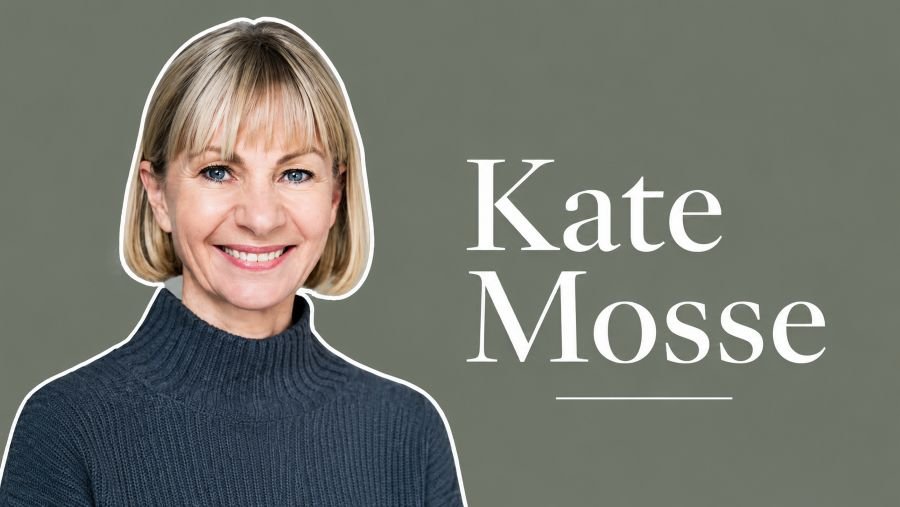
Kate Mosse Powerful Legacy Inspires Readers Despite Literary Challenges
A complete profile of the British novelist and non-fiction writer

Table of Contents
ToggleIntroduction
Kate Mosse is a respected British novelist and non-fiction writer known for historical fiction, Gothic storytelling, feminist history, and literary activism. She became internationally famous through Labyrinth, the bestselling novel that introduced many readers to her rich blend of history, mystery, landscape, and powerful female characters. Her writing often explores memory, courage, hidden histories, and the lives of women whose stories were forgotten or pushed aside.
Beyond her books, Kate Mosse has built a powerful public legacy through the Women’s Prize for Fiction and the Women’s Prize for Non-Fiction. Her career shows the positive power of storytelling, while also reflecting the difficult challenge many writers face when trying to recover overlooked voices from history. She is admired not only as an author but also as a campaigner for women’s creativity and literary recognition.
Quick Bio
| Detail | Information |
|---|---|
| Professional Name | Kate Mosse |
| Registered Name | Katharine Louise Mosse |
| Date of Birth | October 1961 |
| Age | 64 years old as of May 2026 |
| Nationality | British |
| Profession | Novelist, non-fiction writer, essayist, playwright, broadcaster, performer, campaigner |
| Education | English Language and Literature, New College, Oxford |
| Known For | Labyrinth, Languedoc Trilogy, Women’s Prize work |
| Spouse | Greg Mosse |
| Children | Two children |
| Company | Mosse Associates Limited |
| Major Honour | CBE for services to literature, women, and charity |
Companies House lists her registered name as Katharine Louise Mosse, her date of birth as October 1961, and her nationality as British. It also lists her as an active director of Mosse Associates Limited.
Early Life and Education
Kate Mosse is closely connected with Chichester and West Sussex in England. New College, Oxford records that she came from Chichester to study English Language and Literature in 1981. This academic background helped shape her understanding of literature, history, language, and storytelling, all of which later became important parts of her writing career.
Her connection with place is central to her identity as a writer. Sussex, Chichester, Fishbourne, and southern France all appear as important influences in her imagination. Instead of writing history as dry information, she creates emotional landscapes where family memory, conflict, identity, and courage become part of the reader’s experience.
Start of Career
Kate Mosse began her professional life in publishing before becoming a full-time writer. This early career gave her direct experience of how books are edited, prepared, promoted, and received by readers. It also helped her understand the publishing industry from the inside before she became a bestselling author herself.
Her early published works included non-fiction and fiction. Her official bibliography lists Becoming a Mother in 1993, The House in 1995, Eskimo Kissing in 1996, and Crucifix Lane in 1998. These early books show that her career did not begin with instant global fame; it developed step by step through persistence, experimentation, and professional discipline.
Writing Career and Breakthrough
Kate Mosse’s major breakthrough came with Labyrinth, published in 2005. The novel became the first book in the Languedoc Trilogy, followed by Sepulchre and Citadel. These works are strongly linked with French history, spiritual mystery, war, sacrifice, and the survival of women’s stories through time.
As a British novelist and non-fiction writer, Mosse is known for combining detailed historical research with accessible storytelling. Her fiction often moves between past and present, allowing readers to see how old conflicts, family secrets, and cultural memory continue to shape modern lives. This approach helped her reach a wide international audience.
Major Books and Literary Themes
Mosse’s major fiction includes the Languedoc Trilogy, the Joubert Family Chronicles, and Gothic works such as The Winter Ghosts and The Taxidermist’s Daughter. Pan Macmillan describes her as an award-winning author of novels, short stories, essays, non-fiction, and plays.
Her books often focus on women, history, courage, danger, silence, and survival. She is especially interested in how women’s lives have been hidden or undervalued in official history. This gives her work both entertainment value and cultural meaning, making her writing attractive to readers who enjoy historical fiction with emotional depth.
Career Timeline
| Year | Career Event |
|---|---|
| 1981 | Began studying English Language and Literature at New College, Oxford |
| 1993 | Published Becoming a Mother |
| 1995 | Published The House |
| 1996 | Published Eskimo Kissing |
| 1996 | Helped establish the Women’s Prize for Fiction era |
| 1998 | Published Crucifix Lane |
| 2005 | Published Labyrinth |
| 2007 | Published Sepulchre |
| 2009 | Published The Winter Ghosts |
| 2012 | Published Citadel |
| 2018 | Published The Burning Chambers |
| 2020 | Published The City of Tears |
| 2021 | Launched the global #WomanInHistory campaign |
| 2022 | Published Warrior Queens & Quiet Revolutionaries |
| 2024 | Awarded CBE for services to literature, women, and charity |
| 2025 | Continued public literary work and feminist history publishing |
This timeline shows a long and active career built around books, theatre, literary prizes, history, and public cultural work. Her development from publishing professional to international author also makes her career useful for young writers who want to understand the patience required behind literary success.
Family and Personal Life
Kate Mosse is married to Greg Mosse, who is also connected with writing and theatre. Public biographical profiles state that they have two children. She has also written about caring and family responsibility, especially through her memoir An Extra Pair of Hands.
Her personal life is important to her public work because she often writes about care, memory, women’s labour, and family responsibility. However, she keeps many private details outside public attention, and unavailable personal information should not be treated as fact.
Business Ventures and Public Roles
Kate Mosse is connected with Mosse Associates Limited, where Companies House lists her as an active director. This reflects the professional structure around her creative work, including writing, speaking, performance, and related literary activities.
Her most visible public role is her work with the Women’s Prize. She is the Founder Director of the Women’s Prize for Fiction and the Women’s Prize for Non-Fiction. This work has made her an important figure in promoting women writers and improving public recognition of women’s literary achievement.
Achievements and Career Stats
Kate Mosse’s books have sold more than 8 million copies worldwide, have been translated into 37 languages, and have been published in 40 countries, according to the Women’s Prize profile. These figures show the global reach of her writing and her strong position among contemporary British authors.
She has also been recognized with major honours. Her official biography states that she was awarded a CBE in the King’s New Year Honours List 2024 for services to literature, women, and charity. This honour confirms her contribution beyond commercial success, especially her long-term support for women’s voices in literature.
Recent Work and News
Kate Mosse continues to write, speak, perform, and support literary causes. Recent public information highlights her continued connection with feminist history, women’s creativity, literary festivals, and public reading culture.
Her work remains active because she combines authorship with advocacy. She is not only known for novels but also for using her platform to bring attention to forgotten women, historical memory, and the cultural value of reading.
Legacy
Kate Mosse’s legacy is powerful because it combines bestselling fiction with lasting literary activism. She has entertained millions of readers through historical and Gothic novels while also helping create stronger public space for women’s writing.
Her positive impact is clear in her global readership and Women’s Prize work. The negative challenge behind her mission is equally important: many women’s stories were historically ignored, and Mosse has used her career to help correct that imbalance through fiction, non-fiction, campaigns, and public speaking.
Conclusion
Kate Mosse stands as one of the most influential modern British literary figures connected with historical fiction, feminist history, and women’s writing. Her career proves that popular storytelling can also carry serious cultural purpose.
As a British novelist and non-fiction writer, she has built a career that is both creative and socially meaningful. From Labyrinth to the Women’s Prize, her work continues to inspire readers while challenging the silence around women’s achievements in history.
FAQ
Who is Kate Mosse?
Kate Mosse is a British novelist, non-fiction writer, playwright, essayist, broadcaster, performer, and literary campaigner.
What is Kate Mosse best known for?
She is best known for Labyrinth, the Languedoc Trilogy, and her work with the Women’s Prize.
What is Kate Mosse’s real name?
Her registered name is Katharine Louise Mosse.
How old is Kate Mosse?
She is 64 years old as of May 2026.
Is Kate Mosse married?
Yes, she is married to Greg Mosse.
Does Kate Mosse have children?
Yes, public biographical information states that she has two children.
What did Kate Mosse study?
She studied English Language and Literature at New College, Oxford.
What is Kate Mosse’s main career achievement?
Her main achievements include bestselling historical fiction, the global success of Labyrinth, and her leadership role in the Women’s Prize.