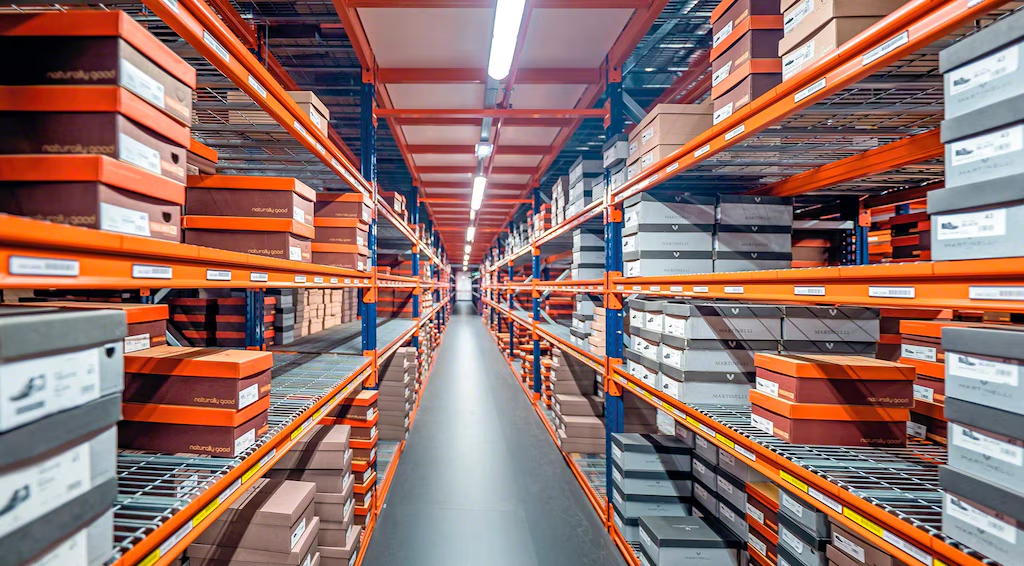

A warehouse is only as efficient as the layout behind it. Storage space, picking routes, forklift access and stock movement all depend on how well the racking system has been planned. Poor racking design can lead to wasted space, slower handling and safety issues that could have been avoided.
Good racking design is not just about fitting as many pallets as possible into a building. It is about creating a storage system that works with the operation, the products, the handling equipment and the people using it every day.
Planning Around the Warehouse Operation
Every warehouse has different needs. A company storing fast moving retail stock will need a different layout to a manufacturer holding raw materials or a food distributor managing batch controlled goods.
Before installing or changing racking, it is important to understand how stock enters, moves through and leaves the building. This includes delivery areas, loading bays, picking zones, packing areas, pedestrian routes and forklift traffic.
Professional warehouse rack design takes these factors into account so the racking supports the workflow instead of getting in the way. A layout that looks efficient on paper may not work well if it creates narrow turning areas, blocked routes or awkward picking locations.
Making Better Use of Available Space
Many warehouses face pressure to store more stock without moving to larger premises. A well designed racking system can help improve storage capacity by using height, aisle width and bay layout more effectively.
Standard pallet racking may be suitable for sites that need direct access to many different products. Narrow aisle racking can increase capacity where specialist trucks are available. Drive in racking may suit bulk storage of similar goods, while cantilever racking can work well for long or awkward items.
The right choice depends on the stock profile, pallet sizes, load weights and how often goods need to be accessed.
Safety Should Be Built Into the Design
Racking is a load bearing structure, so safety must be part of the design process. This includes correct beam levels, safe working loads, suitable aisle widths, floor condition, rack protection and clear load notices.
Forklift movement is also a key consideration. Drivers need enough space to turn, enter aisles and place pallets safely. If the layout is too tight, the risk of impact damage can increase.
Pedestrian safety should also be reviewed. Walkways, barriers and clear routes can help reduce conflict between people and vehicles.
Designing for Future Change
Warehouses rarely stay the same for long. Product ranges change, order volumes rise, and companies may need to adapt storage areas for seasonal stock or new contracts.
A good racking design should allow for practical future changes where possible. This might include adjustable beam levels, space for extra bays, or a layout that can be modified without major disruption.
Thinking ahead can save time and cost later, especially for growing companies that need flexibility in their storage setup.
The Importance of Professional Input
Racking design should not be based on guesswork. A specialist can measure the site, assess the floor, review handling equipment and calculate load requirements. They can also advise on the most suitable racking type for the operation.
This helps avoid common problems such as overloaded beams, poor pallet fit, restricted forklift access or unused vertical space.
Creating a More Efficient Warehouse
The right racking design can improve more than storage capacity. It can support quicker picking, safer movement, better stock control and easier housekeeping. Staff can work more confidently when the layout is clear, practical and suited to the job.
For any warehouse planning a new installation, expansion or reconfiguration, careful rack design is a practical investment. It helps the site use its space properly, reduce avoidable risks and build a storage system that supports day to day operations.