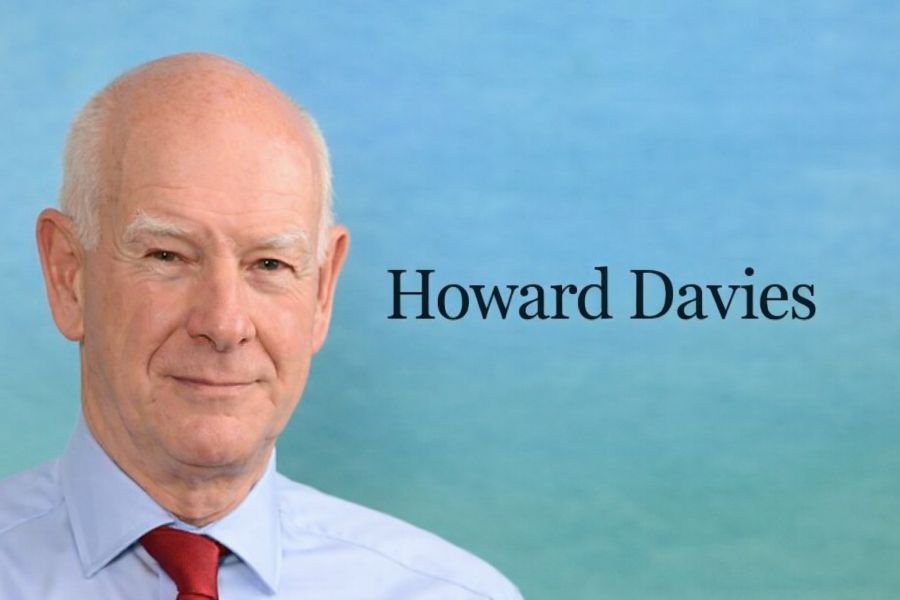
Howard Davies: Visionary Leadership and Controversial Decisions — The Strategic Mind Behind Modern Financial Regulation
How Howard Davies shaped global finance with influence, insight, and moments of criticism

Table of Contents
ToggleIntroduction
Howard Davies is widely recognized as one of the most influential figures in modern financial governance, known for shaping regulatory frameworks and leading major institutions through complex economic periods. Over several decades, his work has bridged government policy, academia, and banking leadership, giving him a unique place in contemporary economic history.
Although often searched online alongside terms like British historian and author, Davies is primarily known as an economist, regulator, and writer whose books and commentary explore financial crises and policy decisions. His career reflects both notable achievements and moments of scrutiny, making his story both inspiring and instructive.
Quick Bio
| Field | Details |
|---|---|
| Full Name | Sir Howard John Davies |
| Date of Birth | 12 February 1951 |
| Age (2026) | 75 |
| Birthplace | Prestbury, Cheshire, England |
| Nationality | British |
| Profession | Economist, Banker, Academic, Author |
| Education | Oxford University; Stanford Graduate School of Business |
| Spouse | Prue Keely |
| Children | Two sons |
| Known For | Financial regulation leadership and institutional governance |
Early Life and Education
Howard Davies grew up in Manchester, where he developed a strong academic foundation that would later shape his career in public policy and economics. His early education instilled in him a curiosity about international affairs and governance, which guided his academic path.
He later attended Merton College, Oxford, studying modern history and languages, before continuing his studies at Stanford Graduate School of Business. This blend of humanities and management education provided the analytical and strategic skills that became hallmarks of his professional life.
Starting His Career in Public Service
Davies began his career in the UK Foreign and Commonwealth Office, where he worked on European policy matters. This early exposure to diplomacy and government decision-making helped him understand the complexities of international economic relations.
He subsequently moved to HM Treasury, where he contributed to major industrial and economic initiatives. These early roles established his reputation as a thoughtful policymaker capable of balancing economic theory with practical governance.
Rise Through Policy and Finance
His transition to the private sector with McKinsey & Company broadened his strategic perspective, allowing him to work closely with businesses on operational and financial challenges. This period strengthened his ability to bridge the gap between government policy and corporate realities.
Davies later returned to public leadership roles, serving as Controller of the Audit Commission and Director-General of the Confederation of British Industry. These positions positioned him at the center of economic policy debates in the UK during a period of significant change.
Transformational Role in Financial Regulation
One of Davies’ most defining achievements came when he became the founding chairman of the UK’s Financial Services Authority. In this role, he helped design a unified regulatory structure aimed at improving oversight and stability in financial markets.
His tenure established him as a global authority on regulation, though the evolving nature of financial markets meant that the effectiveness of regulatory frameworks would later be debated. Nevertheless, his work laid important foundations for modern supervisory systems.
Leadership in Academia
Davies served as Director of the London School of Economics, where he oversaw one of the world’s leading social science institutions. His time there emphasized academic excellence and global engagement, further enhancing his reputation as a thought leader.
Following his departure, he continued teaching and writing, sharing insights on financial crises, regulation, and economic governance. His academic contributions helped translate complex policy issues into accessible analysis for broader audiences.
Chairmanship in Global Banking
Davies later became chairman of Royal Bank of Scotland, which transitioned to NatWest Group during his tenure. Leading a major bank in the post-financial-crisis era required balancing public accountability with commercial strategy, a challenge that defined his leadership.
His time at the bank included both progress in restructuring and public controversies, reflecting the intense scrutiny faced by leaders in the financial sector. These experiences highlighted the complexities of managing institutions with both economic and political significance.
Author and Thought Leader
In addition to his leadership roles, Davies has written extensively on financial regulation and crises. His books analyze the causes of economic instability and explore how policy decisions shape global markets.
His writing has contributed to ongoing debates about accountability and reform in the financial system, reinforcing his reputation as both a practitioner and an intellectual voice in economics.
Challenges and Criticism
Like many influential figures, Davies’ career has not been without criticism. Decisions made during his leadership roles have sometimes sparked public debate, particularly in areas involving governance and institutional accountability.
These moments of controversy illustrate the difficulty of leading large organizations in highly regulated environments, where decisions often have wide-ranging social and economic implications.
Legacy and Influence
Howard Davies’ legacy lies in his ability to shape financial institutions and regulatory thinking during periods of transformation. His career demonstrates how leadership, policy expertise, and academic insight can intersect to influence global economic systems.
Whether viewed through his achievements or the debates surrounding his decisions, his impact on financial governance remains significant. His work continues to inform discussions about how markets should be regulated and how institutions should be managed in an increasingly complex world.
Conclusion
Howard Davies stands as a powerful example of leadership in modern finance — a figure whose career combines intellectual rigor with real-world decision-making. His journey from public service to global banking illustrates both the opportunities and pressures that come with shaping economic policy at the highest levels.
Through achievements, challenges, and lasting contributions, Davies has left a mark on financial governance that continues to resonate. His story offers valuable lessons about responsibility, influence, and the evolving role of regulation in a globalized economy.
FAQ
Who is Howard Davies?
Howard Davies is a British economist, banker, academic, and author known for his leadership in financial regulation and major institutions.
What is Howard Davies best known for?
He is best known for being the founding chairman of the UK Financial Services Authority and for leading major institutions such as the London School of Economics and NatWest Group.
Has Howard Davies written books?
Yes, he has authored several books focusing on financial crises, regulation, and economic policy.
What impact has he had on finance?
His work helped shape modern regulatory frameworks and influenced debates on banking governance and financial stability.