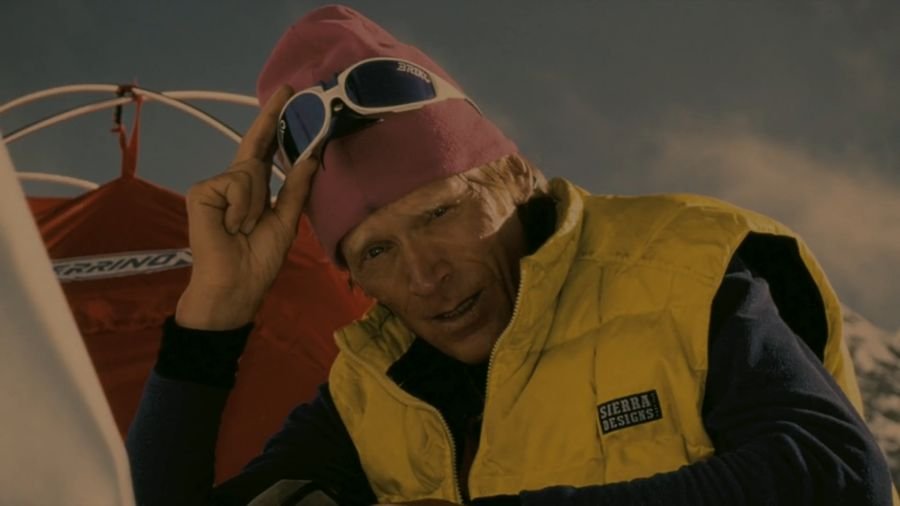
anatoli boukreev – The Fearless Legend of the Death Zone
A powerful story of courage, discipline, and sacrifice from one of the greatest high-altitude climbers in history

Table of Contents
ToggleIntroduction
Anatoli Boukreev remains one of the most respected and debated figures in the history of extreme mountaineering. Known for his exceptional endurance, oxygen-free climbing style, and calm decision-making in life-threatening conditions, he left an indelible mark on Himalayan climbing.
A Russian-Kazakh mountaineer by origin and training, Boukreev embodied a traditional, disciplined approach to alpinism. His career combined remarkable athletic achievement with acts of bravery that saved lives, ensuring his name would endure long after his tragic death on Annapurna.
Quick Bio
| Field | Details |
|---|---|
| Full Name | Anatoli Nikolaevich Boukreev |
| Date of Birth | January 16, 1958 |
| Birthplace | Korkino, Chelyabinsk Oblast, Soviet Union |
| Nationality | Soviet-born, later Kazakhstani |
| Profession | High-altitude mountaineer, mountain guide, author |
| Education | BSc in Physics |
| Active Years | 1980s–1997 |
| Date of Death | December 25, 1997 |
| Place of Death | Annapurna I, Nepal |
Early Life and Background
Anatoli Boukreev was born in the industrial town of Korkino in the former Soviet Union. Growing up in a modest environment, he developed mental toughness and physical discipline early in life. These qualities later became defining traits in his climbing career.
As a young man, he was drawn to endurance sports, particularly skiing and mountaineering. His early exposure to harsh weather and demanding physical conditions helped shape his resilience, a trait that would later distinguish him among elite high-altitude climbers.
Education and Formation
Boukreev pursued higher education with seriousness and focus, earning a Bachelor of Science degree in Physics. His academic training sharpened his analytical thinking, a skill he later applied to route planning, risk assessment, and survival strategies in extreme environments.
Alongside his academic studies, he trained rigorously in cross-country skiing and mountaineering. This combination of scientific thinking and physical conditioning gave him a structured, methodical approach to climbing that set him apart from many contemporaries.
Start of Mountaineering Career
After completing his education, Boukreev relocated to Alma-Ata, now Almaty, in Kazakhstan. The proximity to the Tien Shan mountains provided ideal conditions for developing high-altitude skills and technical climbing experience.
During the 1980s, he became part of the Kazakh mountaineering community and steadily built a reputation for strength, speed, and reliability. This period marked the true beginning of his professional journey as a Russian-Kazakh mountaineer.
Rise as an Elite High-Altitude Climber
Boukreev’s career reached new heights between 1989 and 1997, when he completed numerous ascents of the world’s highest peaks. He successfully climbed ten of the fourteen mountains over 8,000 meters, an achievement reserved for only the most capable climbers.
What truly distinguished him was his consistent choice to climb without supplemental oxygen. This approach increased risk but demonstrated extraordinary acclimatization and physical control, reinforcing his reputation as one of the strongest climbers of his generation.
Climbing Style and Philosophy
Anatoli Boukreev believed in self-reliance, discipline, and respect for the mountain. His climbing philosophy was rooted in traditional alpinism, emphasizing preparation, physical conditioning, and personal responsibility over dependence on equipment.
This philosophy earned him both admiration and criticism. While some viewed his methods as austere, others recognized them as a pure expression of mountaineering ethics, particularly in the unforgiving environment of the death zone.
The 1996 Mount Everest Tragedy
In 1996, Boukreev served as a guide during a commercial expedition on Mount Everest. When a sudden storm struck during summit descents, multiple climbers became stranded in extreme conditions, leading to one of the deadliest days in Everest history.
Despite exhaustion and deteriorating weather, Boukreev returned into the storm after descending. He located and rescued three climbers, guiding them to safety through darkness and severe cold, an act widely regarded as heroic within the mountaineering community.
Recognition and Honors
Following the Everest disaster, Boukreev’s actions were formally recognized for their bravery. He received one of mountaineering’s highest honors for courage, acknowledging his life-saving efforts under extraordinary circumstances.
Although public debate surrounded the expedition, his rescues solidified his standing as a climber who acted decisively when lives were at stake, reinforcing his legacy beyond controversy.
Writing and Contribution to Mountaineering Literature
Boukreev also contributed to mountaineering literature, sharing insights into high-altitude climbing and the realities of extreme risk. His writings reflected a thoughtful, introspective approach shaped by years of experience.
Through his books and journals, readers gained a rare glimpse into the mindset required to survive and perform in the world’s most hostile environments, further cementing his influence on future climbers.
Final Expedition on Annapurna
In late 1997, Boukreev undertook a winter ascent of Annapurna I, one of the most dangerous mountains on Earth. Winter conditions added significant risk, demanding absolute precision and resilience from the team.
On December 25, 1997, an avalanche struck during the ascent, claiming his life. His death at the age of 39 marked a tragic end to an extraordinary career, leaving the climbing world in mourning.
Legacy and Impact
Anatoli Boukreev is remembered as one of the most formidable high-altitude climbers of the twentieth century. His oxygen-free ascents, endurance, and courage set benchmarks that continue to inspire climbers worldwide.
Beyond statistics and summits, his legacy lies in his commitment to discipline, responsibility, and human resilience. As a Russian-Kazakh mountaineer, he represents both the glory and the grave risks of pushing human limits in the highest places on Earth.
Conclusion
Anatoli Boukreev’s life was defined by extremes: extreme altitude, extreme discipline, and extreme courage. His career showcased the power of preparation and inner strength, while his final acts highlighted compassion and responsibility in moments of crisis.
Though his life was cut short, his story continues to resonate as a reminder that greatness in mountaineering is measured not only by summits reached, but by character shown when conditions turn deadly.
Frequently Asked Questions
Who was Anatoli Boukreev?
Anatoli Boukreev was a Russian-Kazakh mountaineer, high-altitude guide, and author known for oxygen-free ascents of the world’s highest peaks.
Why is Anatoli Boukreev famous?
He is best known for climbing ten eight-thousand-meter peaks and for rescuing climbers during the 1996 Mount Everest disaster.
Did Anatoli Boukreev climb without oxygen?
Yes, he was renowned for climbing without supplemental oxygen, even on Mount Everest.
How did Anatoli Boukreev die?
He died in an avalanche on Annapurna I in Nepal during a winter ascent in December 1997.
What is Anatoli Boukreev’s legacy?
His legacy lies in his extraordinary endurance, disciplined climbing philosophy, and life-saving bravery in extreme conditions.